Agriculture in India: Smart, Sustainable Ways to Grow Food
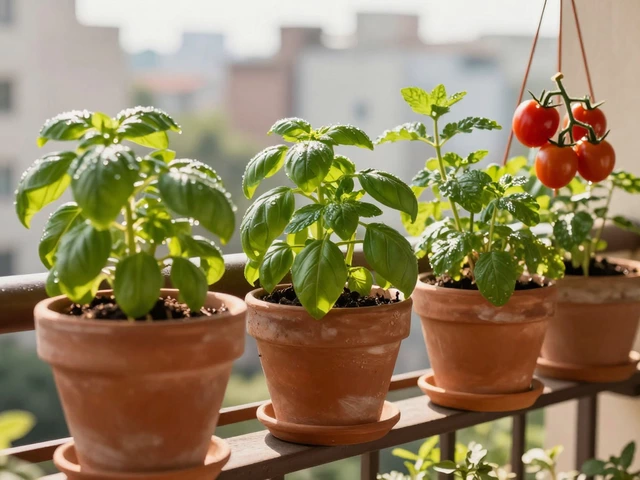
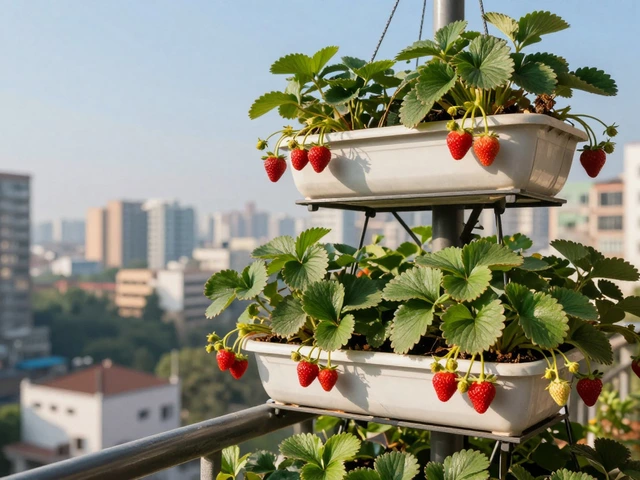
When we talk about agriculture, the practice of growing crops and raising livestock for food and resources. Also known as farming, it’s not just about large fields anymore—it’s about how you grow food in your backyard, balcony, or rooftop, even in India’s unpredictable weather. Real agriculture today means working with nature, not against it. That’s why so many gardeners in India are switching from old-school methods to science-backed, low-waste systems that save water, fix soil, and keep pests under control without chemicals.
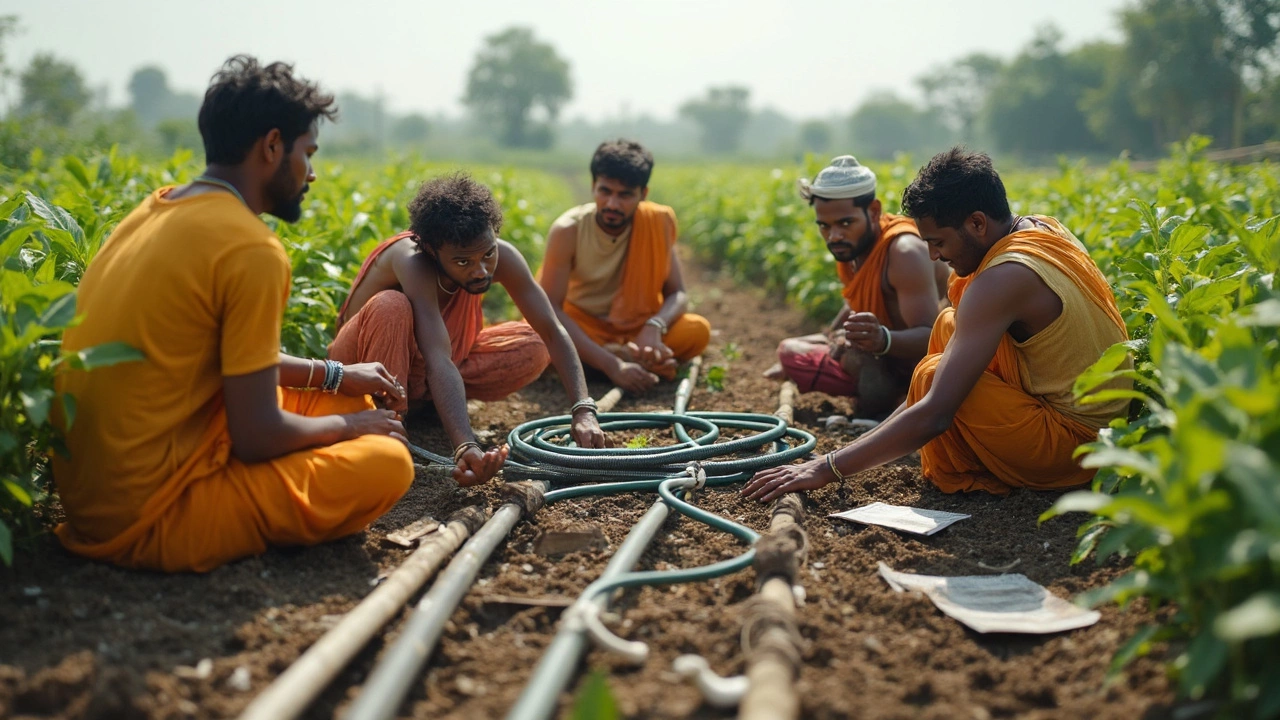
One big shift? drip irrigation, a system that delivers water directly to plant roots, drop by drop. It’s not just for big farms anymore. People are using it on terraces in Mumbai and balconies in Delhi because it cuts water use by half compared to watering by hand. But here’s the catch: running it every day? That’s a mistake. You need to match the schedule to the season, the plant, and the soil. And if your soil is hard as brick, no irrigation system will help—soil health, how alive and loose your dirt is, full of microbes and organic matter matters more than you think. Compacted soil chokes roots, blocks water, and kills growth. Fixing it doesn’t need expensive gear—just compost, mulch, and a little patience.
Then there’s natural insecticide, a plant-based way to stop bugs without poisoning bees or your veggies. Neem oil isn’t magic, but it’s the most reliable one out there. It stops aphids, whiteflies, and mites without wiping out the good bugs. And if you’re growing tomatoes, chillies, or even durian on your balcony, you’ll want to know how to use it right. You don’t need to spray chemicals every week. Just a few smart applications, timed with the weather, make all the difference.
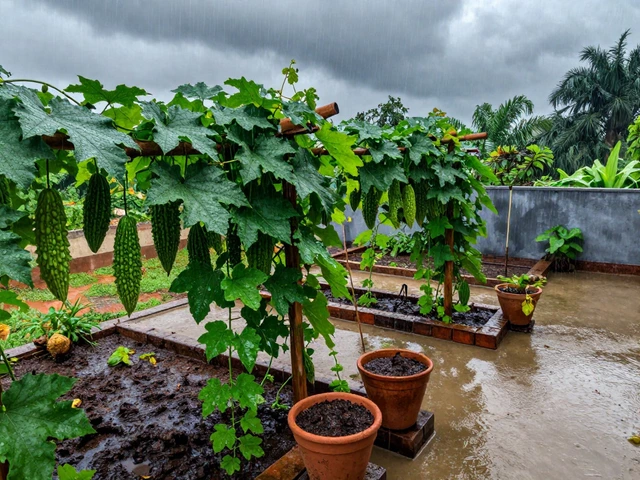
This collection of posts isn’t about theory. It’s about what actually works on Indian soil, in Indian heat, under Indian monsoons. You’ll find how to fix cracked, lifeless dirt. How to pick the right plants for your balcony. How to stop overwatering your bonsai before it’s too late. How to use rainwater, homemade fertilizer, and smart spacing to grow more with less. Whether you’re growing a few herbs on a windowsill or managing a small farm, these are the tools and tricks that real gardeners use every day. No jargon. No hype. Just clear, tested advice that helps your plants live longer and yield more.
Drip irrigation is popular for its water-saving benefits, but it's not perfect. This article covers three major downsides that often catch new users off guard. We’ll unpack the actual challenges you face with installation, upkeep, and cost surprises. Honest insights and simple tips help you decide if it’s the right fit. Real-world examples and practical advice included.
Rice farming can be a lucrative venture, but understanding its profitability involves examining the costs, market trends, and regional differences. This article explores the basic expenses involved, the role of technology, and how local climates impact productivity. Readers will discover tips for boosting yields and maximizing profits. With practical tips and surprising insights, navigate the complexities of rice farming profitability with confidence.
Rice cultivation is a crucial part of agriculture, demanding ideal conditions for a successful harvest. This article explores which U.S. states stand out for growing rice effectively. From climate and soil requirements to practical tips, it highlights what makes these states optimal for rice production.
Rice is a staple food for billions and one of the most widely grown crops globally. For those interested in rice farming, understanding whether rice plants come back annually is crucial for planning. This article explores the life cycle of rice plants and provides valuable insights into their cultivation process. It discusses factors influencing rice growth, tips for healthy crops, and examines current agricultural practices.