Agriculture Solutions for Indian Gardens: Smart, Sustainable, and Simple
When we talk about agriculture solutions, practical, science-backed methods to grow more food with less waste in home and small-scale farming settings. Also known as sustainable gardening practices, these are the tools and techniques that turn struggling plots into thriving gardens—even in India’s tricky heat and uneven rains. This isn’t about big farms or expensive machinery. It’s about what you can do in your backyard, balcony, or terrace with common sense and a few smart choices.
Good agriculture solutions, practical, science-backed methods to grow more food with less waste in home and small-scale farming settings. Also known as sustainable gardening practices, these are the tools and techniques that turn struggling plots into thriving gardens—even in India’s tricky heat and uneven rains. This isn’t about big farms or expensive machinery. It’s about what you can do in your backyard, balcony, or terrace with common sense and a few smart choices.
Most people think water is the biggest problem, but it’s often the soil. Hard, compacted dirt won’t let roots breathe or water soak in. That’s why fixing soil with compost and aeration shows up in nearly half the posts here. You don’t need to buy fancy products—just mix in old leaves, kitchen scraps, and let nature do the rest. Then there’s water. Running a drip system every day? That’s a mistake. Most gardens need less, not more. The right schedule, paired with mulch or a rain barrel, cuts water use by half. And when pests show up, you don’t need chemicals. Neem oil works better than most store-bought sprays, and it’s safe for bees, kids, and pets.
What makes these agriculture solutions, practical, science-backed methods to grow more food with less waste in home and small-scale farming settings. Also known as sustainable gardening practices, these are the tools and techniques that turn struggling plots into thriving gardens—even in India’s tricky heat and uneven rains. This isn’t about big farms or expensive machinery. It’s about what you can do in your backyard, balcony, or terrace with common sense and a few smart choices.
Most people think water is the biggest problem, but it’s often the soil. Hard, compacted dirt won’t let roots breathe or water soak in. That’s why fixing soil with compost and aeration shows up in nearly half the posts here. You don’t need to buy fancy products—just mix in old leaves, kitchen scraps, and let nature do the rest. Then there’s water. Running a drip system every day? That’s a mistake. Most gardens need less, not more. The right schedule, paired with mulch or a rain barrel, cuts water use by half. And when pests show up, you don’t need chemicals. Neem oil works better than most store-bought sprays, and it’s safe for bees, kids, and pets.
What makes these solutions stick is that they work with India’s seasons, not against them. Monsoon rains aren’t a nuisance—they’re a resource. Hot balconies aren’t a dead end—they’re a challenge you can solve with shade cloth and smart plant choices. Even the toughest plants, like Vanda orchids or durian trees, can grow if you match their needs to your space. You’ll find posts that show you how to revive dead soil, pick the right veggies for your balcony, and build a garden that feeds itself with compost and rainwater. No fluff. No theory. Just what actually works on the ground in India.
Below, you’ll see real fixes for real problems: how to stop overwatering your bonsai, why soaker hoses beat drip lines in some cases, and how to grow vegetables where you thought nothing could survive. These aren’t random tips. They’re the results of people trying, failing, and figuring it out—just like you will. Pick what fits your space, your time, and your climate. The rest? It’s all here, waiting for you to try it.
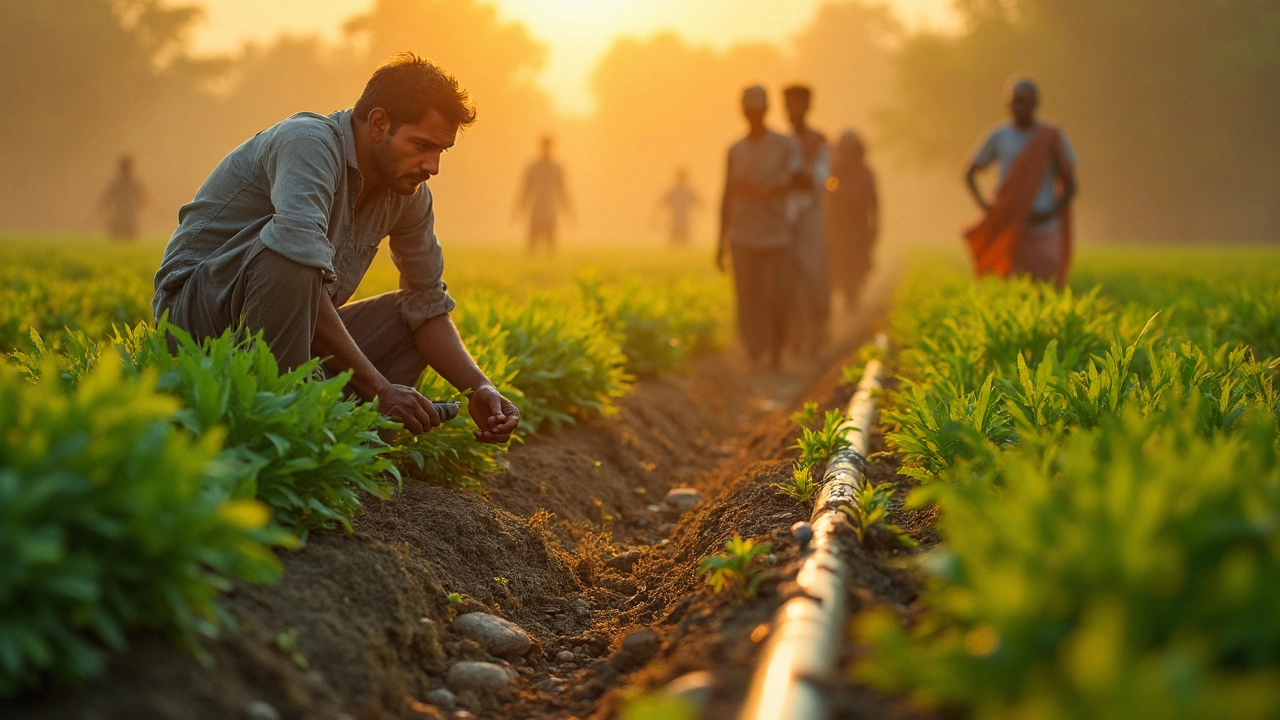
Drip irrigation, while celebrated for its water-saving capabilities, isn't without its challenges. From clogging issues to the need for regular maintenance, these systems require careful upkeep. This article dives into the major problem of seepage and system inefficiencies that farmers and garden enthusiasts often face. Discover tips on how to effectively tackle these challenges and make the most out of your drip irrigation setup.
Continue reading...