Backflow Preventer: What It Is and Why Every Garden Needs One
When you install a backflow preventer, a device that stops dirty water from flowing backward into your clean water line. It’s not optional if you’re using a drip irrigation system connected to your home’s water supply. Without one, pesticides, fertilizers, or soil bacteria from your garden can get sucked back into your drinking water—especially when water pressure drops. This isn’t theoretical. In 2018, a California homeowner’s backflow issue led to a city-wide water advisory after garden runoff contaminated the municipal line. You don’t need a fancy system to cause this. Even a simple drip line with a submerged emitter can create a vacuum that pulls contaminants inward.
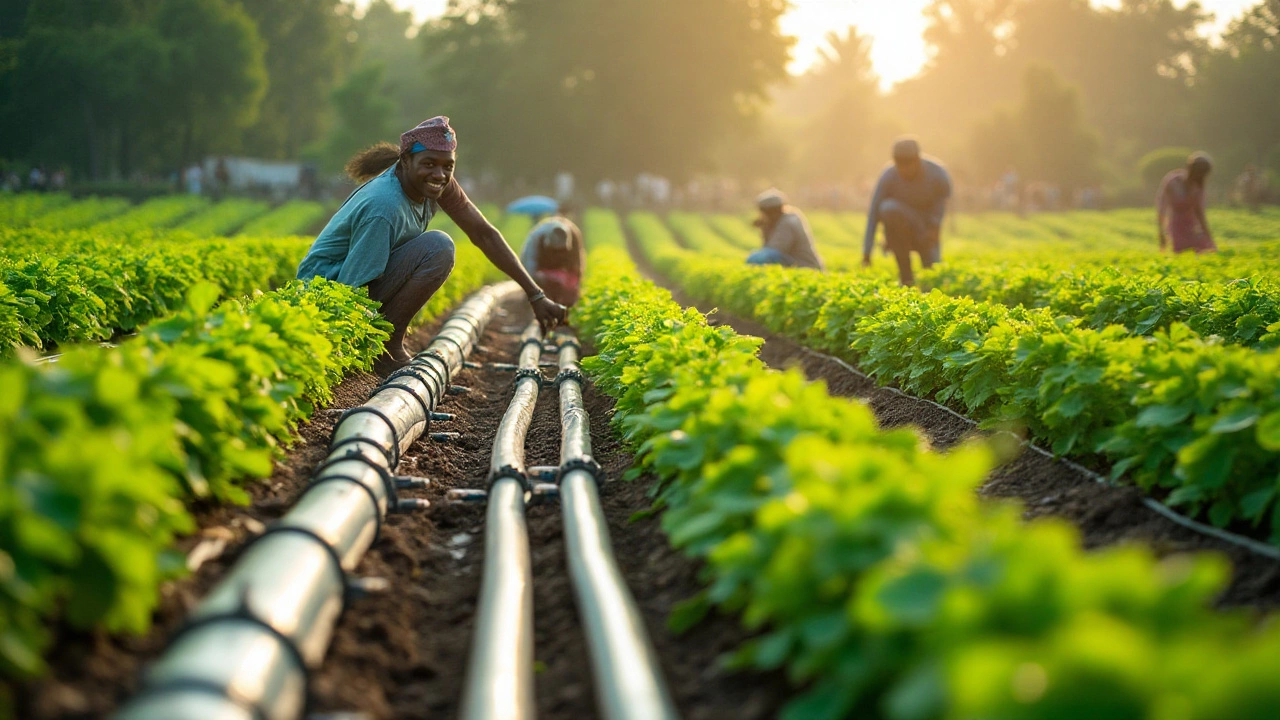
A drip irrigation, a low-pressure watering system that delivers water directly to plant roots is efficient, but it’s also vulnerable. Drip systems run for hours, often at low pressure. That’s exactly when backflow happens—during shutdowns, pump failures, or even when someone turns off a faucet upstairs. A garden plumbing, the network of pipes, valves, and fittings that move water through your outdoor system without a backflow preventer is like leaving your front door unlocked in a high-crime neighborhood. It’s not a matter of if, but when something bad happens.
Most people think backflow preventers are for big farms or commercial setups. But in India, where tap water pressure varies wildly and many gardeners use hose-end fertilizers or homemade compost teas, the risk is higher than you think. You don’t need a $200 device. A simple double-check valve, under $15, installed right after your water source, does the job. And it’s not just about safety—it’s about reliability. A backflow preventer keeps your drip emitters from clogging with debris pulled back into the line. It also prevents mineral buildup from reversing into your pipes, which can shorten the life of your whole system.
Look at the posts below. You’ll see how people struggle with clogged emitters, uneven watering, and mysterious plant die-offs. Many of these problems trace back to poor plumbing, not poor plants. One post talks about drip irrigation schedules. Another compares drippers and emitters. But none of it matters if the water feeding those systems is contaminated or unstable. The backflow preventer is the silent guardian that makes all those other tips work. It’s the first line of defense. Skip it, and you’re just delaying a bigger problem.
A backflow preventer is a crucial component in ensuring the safety of water supplies when using drip irrigation systems. This article explores the importance of these devices, how they function, and the potential risks of not having one installed. It provides valuable insights for gardeners and farmers on maintaining efficient and safe irrigation practices. Discover tips on choosing the right backflow preventer for your needs.