Bad Feng Shui Plants: Which Plants Bring Negative Energy to Your Home?
When we talk about bad feng shui plants, plants believed to disrupt the flow of positive energy, or chi, in a space. Also known as negative energy plants, they’re not necessarily toxic or hard to grow—they just carry symbolic weight in traditional Chinese design. Think of feng shui as the quiet architecture of energy. It’s not about superstition; it’s about how shapes, directions, and living things affect how you feel in a room. A plant with sharp, pointed leaves, for example, can feel like it’s stabbing the air instead of soothing it. That’s why some plants, no matter how lush, are better left outside.
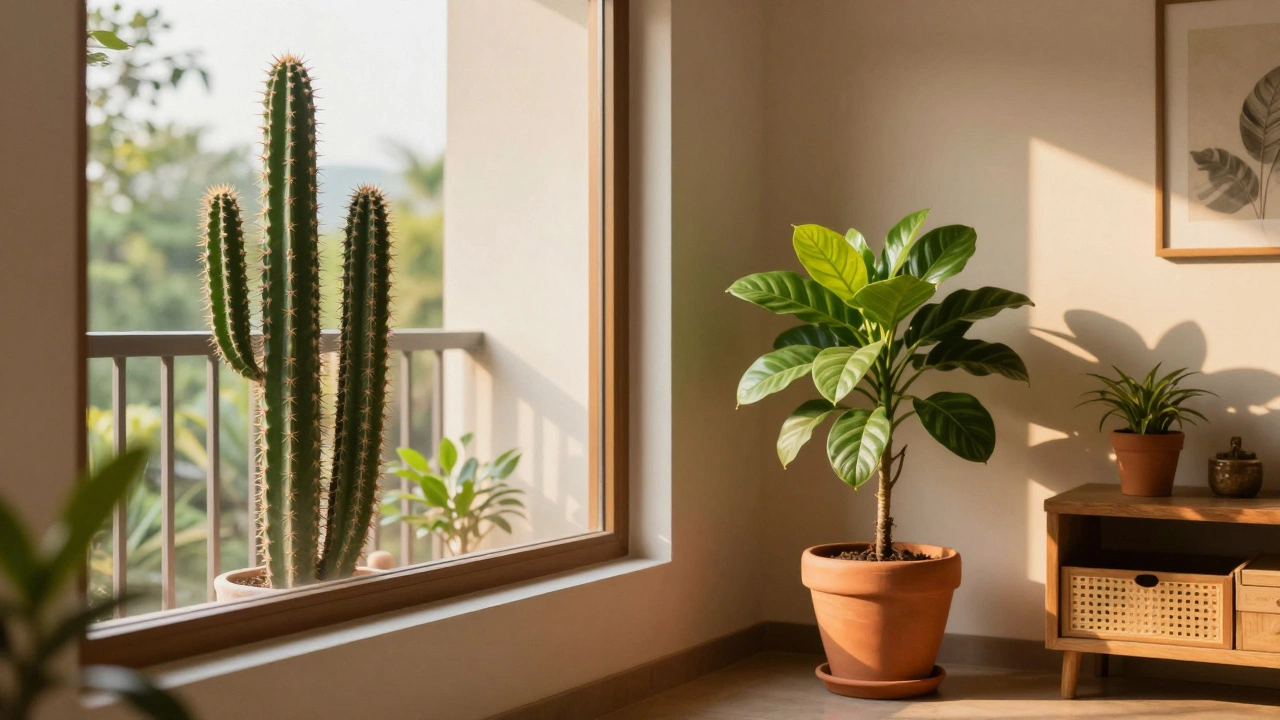
The spiky cactus, a common indoor plant prized for low care. Also known as prickly succulents, it is a classic example. Placed near a window or on a desk, its needles are seen as projecting aggressive energy—perfect for a desert, but not for your bedroom or living room. Then there’s the banyan tree, a large, spreading plant often grown indoors in pots in India. Also known as Indian banyan, it isn’t just big—it’s heavy in symbolism. In feng shui, plants with deep, tangled roots or that grow too large indoors are thought to trap energy, making spaces feel stuck. And while your Vanda orchid, a high-maintenance flower native to tropical climates. Also known as tropical orchid, it might look elegant, its delicate, fragile blooms can symbolize impermanence and sadness if they wilt too easily in a poorly lit corner.
It’s not just about shape. The number of leaves, a subtle but powerful detail in feng shui plant selection. Also known as leaf count symbolism, it matters too. Plants with uneven or odd numbers of leaves, or those that drop leaves constantly, are thought to drain vitality. You don’t need to count every leaf, but if your plant is always shedding or looks sickly, it’s sending the wrong signal—no matter how much you water it. The same goes for dead or dried-out plants. Keeping them around doesn’t save money; it keeps negative energy lingering.
What you want instead are rounded, healthy, slow-growing plants that feel alive without demanding constant attention. Think money plants, peace lilies, or lucky bamboo—plants that grow upward, stay green, and don’t prick or drop. In India’s climate, where humidity and heat vary wildly, choosing the right plant isn’t just about feng shui—it’s about survival. A plant that thrives in your home naturally supports good energy. One that struggles? It’s a drain.
You’ll find posts here that dig into exactly which plants to avoid in small spaces, how to fix a dying plant before it drags down your mood, and what alternatives actually work in Indian homes. No fluff. No myths. Just real, practical choices that match your space, your climate, and your energy.
Discover which plants are considered unlucky for Indian homes according to Vastu and cultural traditions. Learn why cactus, tamarind, and white flowers are avoided indoors-and what to grow instead.
Continue reading...