Clogging in Gardening: Why It Happens and How to Fix It
When your clogging, the blockage of water flow in irrigation systems or soil pores that reduces efficiency and harms plant health. Also known as blockage, it’s the silent killer of even the best-designed gardens. Most people blame the weather or their plants—but the real issue is usually hidden in the pipes, drippers, or soil beneath your feet. Clogging isn’t just about dirty water. It’s about how your system interacts with your soil, your water source, and the plants you’re trying to grow.
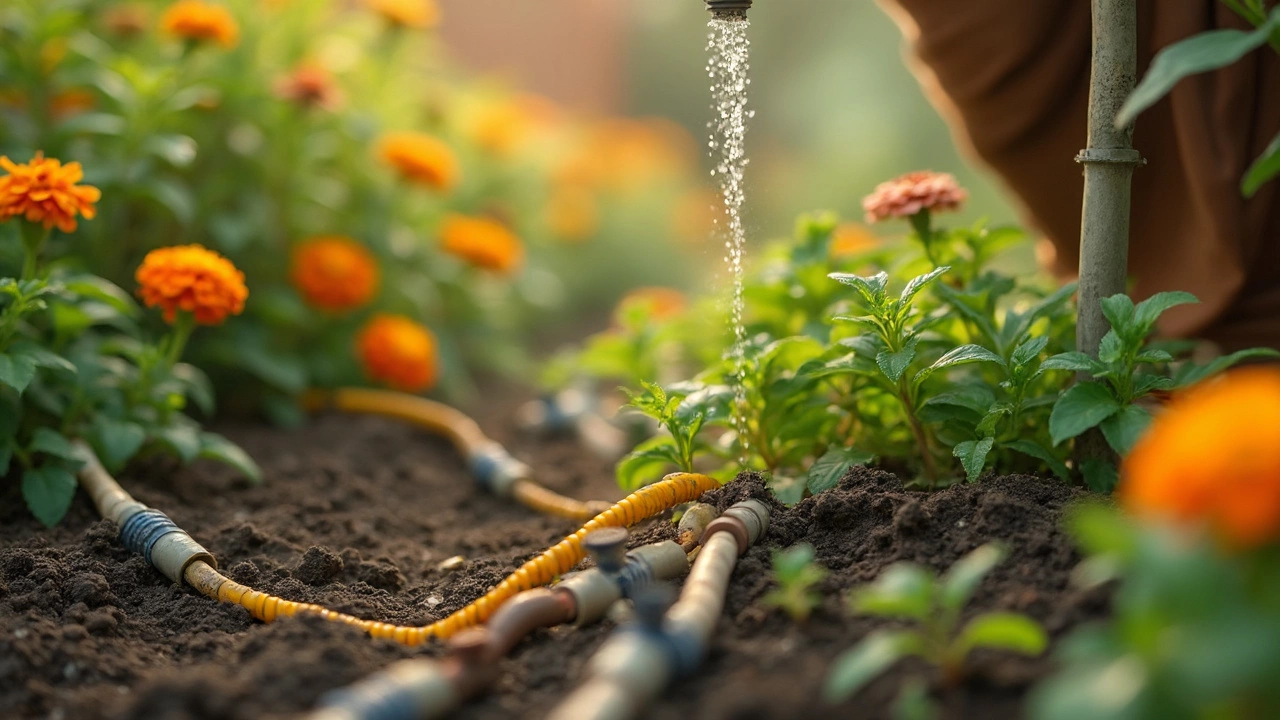
Think about your drip irrigation, a water delivery system that slowly releases water directly to plant roots through tubes and emitters. Also known as drip system, it’s supposed to save water and reduce waste. But if the emitters, small nozzles in drip lines that control water flow to individual plants. Also known as drippers, they’re the most vulnerable part of the system. get clogged, you’re not watering your plants—you’re starving them. Iron, sediment, algae, or mineral buildup from hard water can plug those tiny openings in weeks. And if your soil is compacted, dense, hard soil that resists water penetration and root growth. Also known as hard soil, it’s a major contributor to surface clogging and runoff., water can’t soak in, so it pools, stagnates, and invites more gunk to build up. It’s a cycle: bad soil leads to poor drainage, which leads to clogging, which leads to more stress on your plants.
You don’t need fancy tools or expensive filters to fix this. Most clogging problems come down to three things: water quality, maintenance, and soil health. If you’re using tap water in India, you’re likely dealing with calcium and iron deposits. A simple screen filter costs less than a cup of coffee and lasts years. Flushing your drip lines every few months stops buildup before it turns into a blockage. And if your soil feels like concrete, you’re not fighting clogging—you’re fighting the result of it. Adding compost and aerating the ground fixes both the soil and the water flow.
This collection of posts isn’t about theory. It’s about what actually works in real gardens—whether you’re growing veggies on a balcony in Mumbai or trying to keep your bonsai alive in Chennai. You’ll find fixes for clogged emitters, signs your soil is suffocating your roots, and why some watering methods are better than others. No fluff. No guesswork. Just clear, practical steps to keep your water flowing and your plants thriving.
Drippers and emitters sound like the perfect tools for watering your garden slowly and precisely, but they're not flawless. The most common headache is clogging, but that's just scratching the surface. This article dives into the main drawbacks of using emitters on drip systems and what you can do to avoid major issues. Get tips for checking your system, simple maintenance tricks, and a few workarounds to keep your plants happy. You'll learn what to look out for so you're not caught off guard next growing season.