Composting Tips: Simple Ways to Turn Waste into Garden Gold
When you start composting, the natural process of breaking down organic waste into nutrient-rich soil. Also known as backyard compost, it’s not just for farmers—it’s the easiest way to cut trash and feed your plants at the same time. Most people think composting needs space, time, or special gear. But in India, where kitchens produce endless fruit peels, tea leaves, and vegetable scraps, you’re already halfway there. You don’t need a fancy bin. You don’t need to buy expensive starters. You just need to layer, turn, and wait.
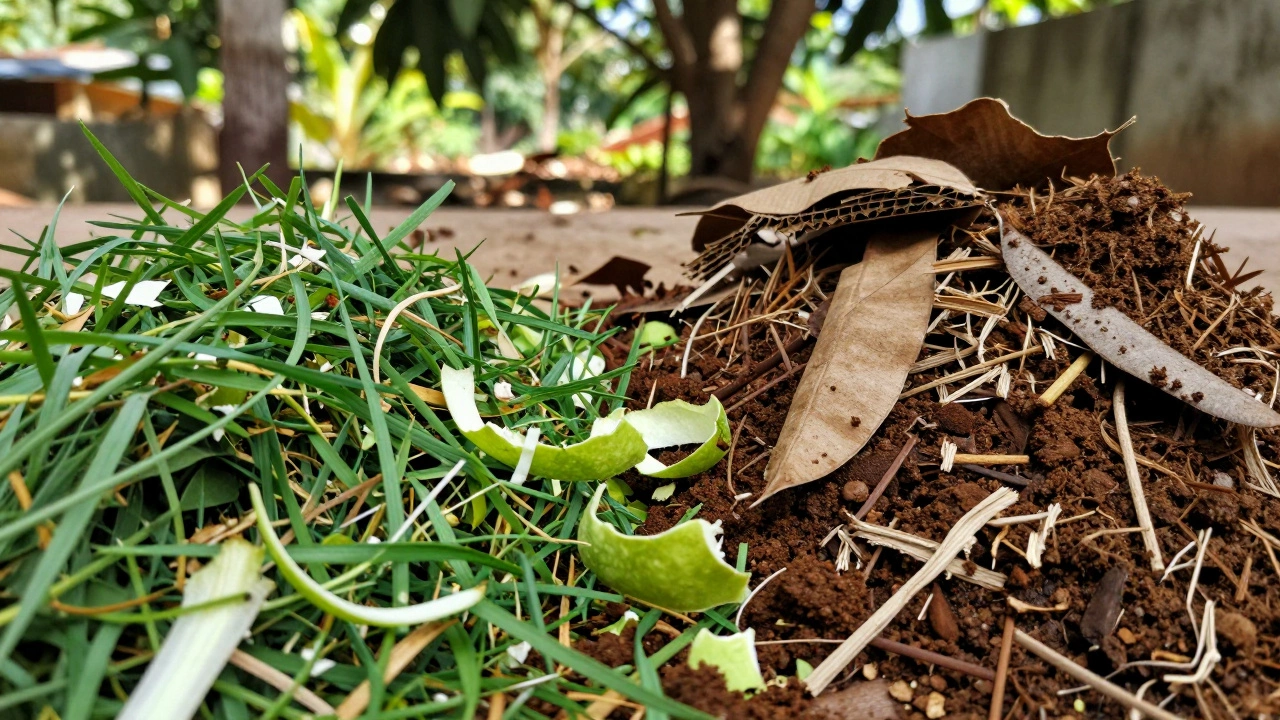
Organic compost, the dark, crumbly end product of decomposition, is what your soil is begging for. It fixes compacted soil, hard, lifeless dirt that blocks roots and water, boosts water retention, and brings microbes back to life. No chemicals. No synthetic fertilizers. Just nature’s recycling at work. And it’s not magic—it’s science. Every banana peel you add feeds bacteria. Every dry leaf you mix in balances moisture. The right mix of greens (kitchen waste) and browns (dried leaves, paper) keeps it smelling earthy, not rotten.
You’ll find that the best composting tips, practical steps that prevent failure and speed up results aren’t complicated. Stop adding meat or dairy—it attracts pests. Keep it covered to hold heat and moisture. Turn it every week or two to let air in. If it’s too wet, add more dry leaves. If it’s too dry, sprinkle water. In India’s hot climate, compost can be ready in 45 days if you get the balance right. And when it’s done, you’ll see why gardeners who compost never buy soil again.
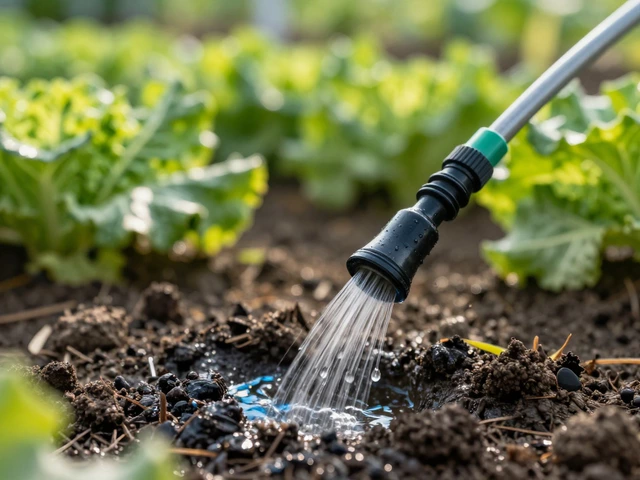
Look at the posts below. You’ll see how compost ties into everything: fixing tired garden soil, making homemade fertilizer, building self-sustaining gardens, and even helping with drip irrigation by improving how water moves through dirt. This isn’t about being eco-friendly because it’s trendy. It’s about growing better plants with less cost, less waste, and less hassle. Whether you have a balcony, a terrace, or a backyard, composting is the first real step toward a garden that feeds itself. Start today. Your plants will thank you tomorrow.
Discover the ideal compost mixture ratios for healthy soil. Learn how to balance greens and browns, avoid common mistakes, and troubleshoot issues. Get practical tips for successful composting at home.
Continue reading...
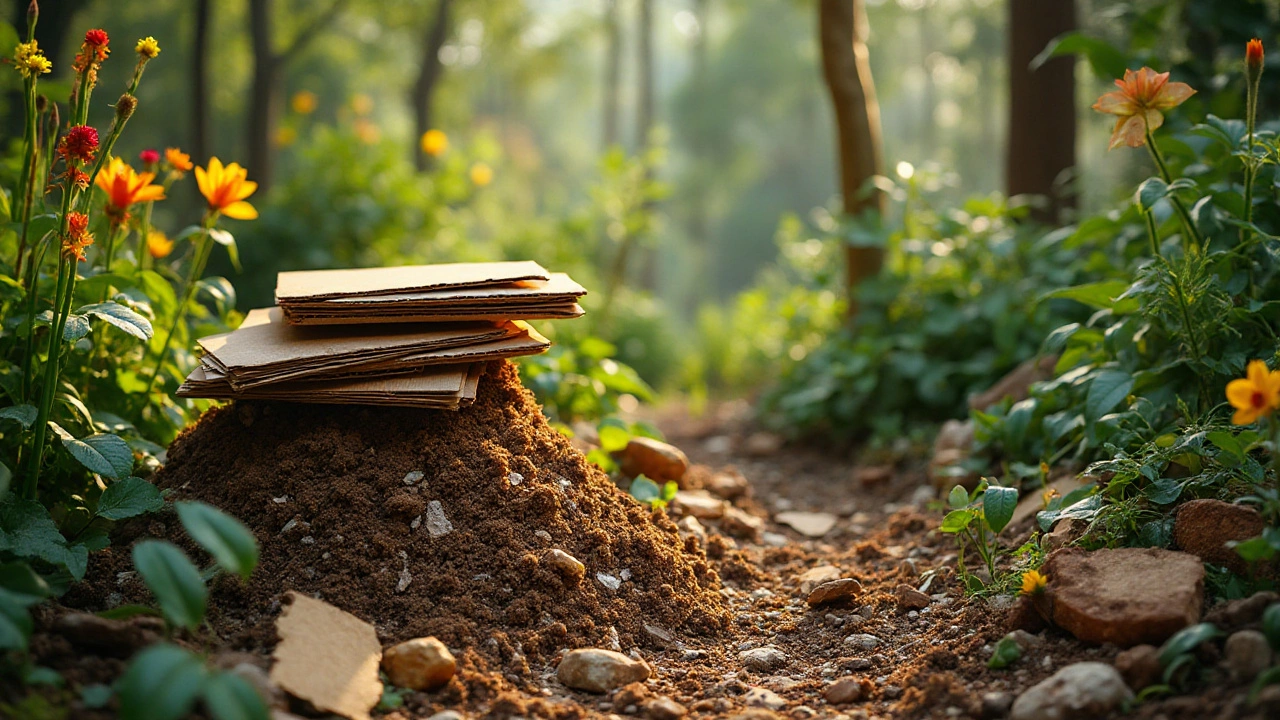
Cardboard, a common household material, can be a valuable addition to composting if used correctly. It adds carbon, an essential component for a balanced compost pile, and can help improve moisture retention. However, not all cardboard is suited for composting, as certain coatings or inks can hinder the process. With proper precautions and methods, cardboard can play a significant role in building rich, nutrient-dense compost for your garden.
Continue reading...