Disadvantages of Common Gardening Practices: What Not to Do
When you think about gardening, you probably imagine healthy plants, fresh veggies, and a peaceful backyard. But behind those green dreams are disadvantages, the hidden risks and mistakes that hurt more plants than they help. These aren’t just minor hiccups—they’re the quiet killers of gardens, often ignored until it’s too late. Many gardeners follow advice they read online or hear from neighbors, not realizing those tips were designed for a different climate, soil type, or plant species. In India’s varied weather, what works in Pune might ruin a garden in Bangalore. The biggest disadvantages aren’t pests or drought—they’re habits that seem helpful but are actually harmful.
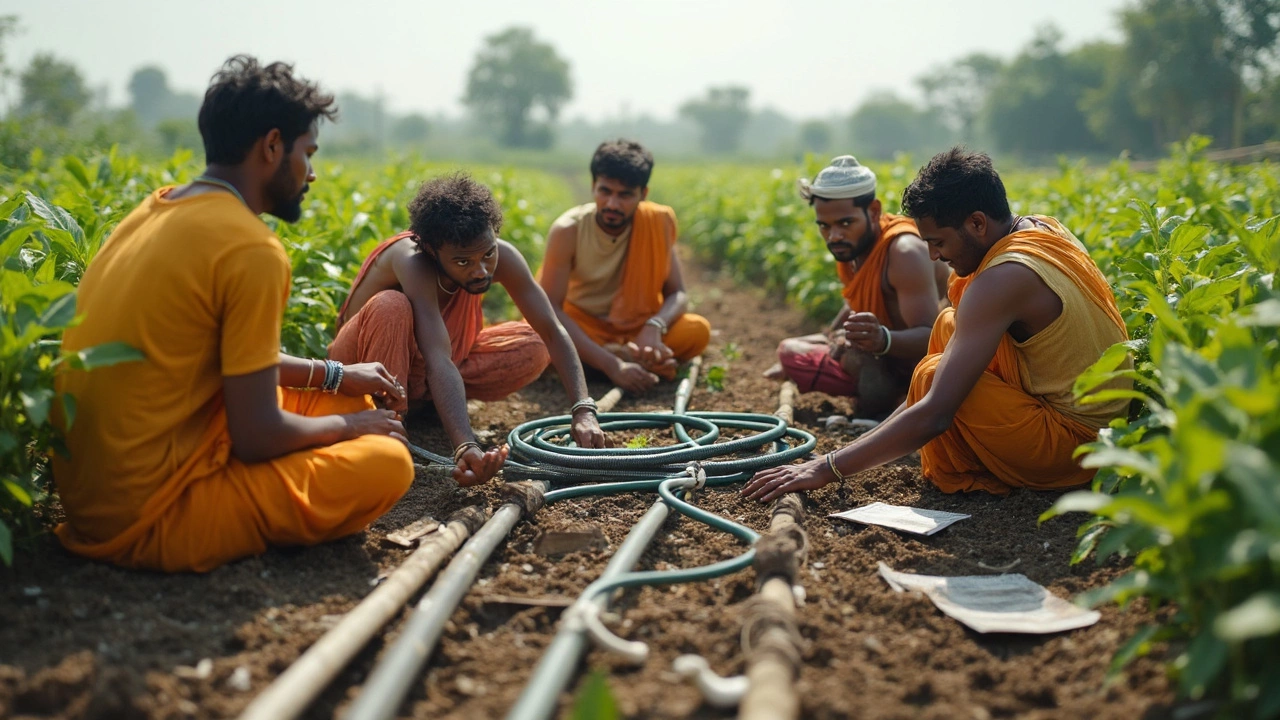
Drip irrigation, a system designed to deliver water slowly to plant roots is often praised for saving water. But run it every day, and you’re drowning roots that need air. Overwatering, the most common cause of plant death—especially in bonsai and orchids—isn’t about how much water you give, but how often. Plants like the Vanda orchid, a high-maintenance plant native to tropical India—don’t need constant moisture. They need dry periods. Same goes for soil: compacted soil, hard, dense earth that blocks roots and water is a silent killer. It’s not just about adding compost—it’s about understanding that roots can’t breathe in mud.
Even "natural" solutions have downsides. Neem oil, a popular organic insecticide is powerful, but misuse can burn leaves or harm beneficial insects. And if you’re using it because you think all chemical sprays are bad, you might be ignoring a bigger problem: poor plant health. Weak plants attract pests. Healthy ones don’t. The real disadvantage isn’t the tool—it’s using the wrong tool for the wrong reason.
You’ll find posts here that show you exactly how these problems show up: yellowing bonsai leaves, soggy soil that won’t drain, emitters that clog because you didn’t clean them, or a terrace garden that looks dead in summer despite daily watering. These aren’t abstract mistakes. They’re real, common, and fixable. What you’ll see below isn’t a list of failures—it’s a map to avoid them. Every post here came from real gardeners who made the same errors. Now they’re sharing how they fixed them. No fluff. No theory. Just what works—and what doesn’t—in Indian gardens.
Drip irrigation is popular for its water-saving benefits, but it's not perfect. This article covers three major downsides that often catch new users off guard. We’ll unpack the actual challenges you face with installation, upkeep, and cost surprises. Honest insights and simple tips help you decide if it’s the right fit. Real-world examples and practical advice included.
Soaker hoses can seem like a dream for easy garden watering, but they’re not without their setbacks. From uneven water distribution to potential clogging, these issues can frustrate even the most patient gardener. Let's explore their drawbacks and how they compare with other irrigation methods. It can give you a better understanding of whether they’re the right choice for your garden.