DIY Irrigation: Simple Systems to Save Water and Grow Healthier Plants
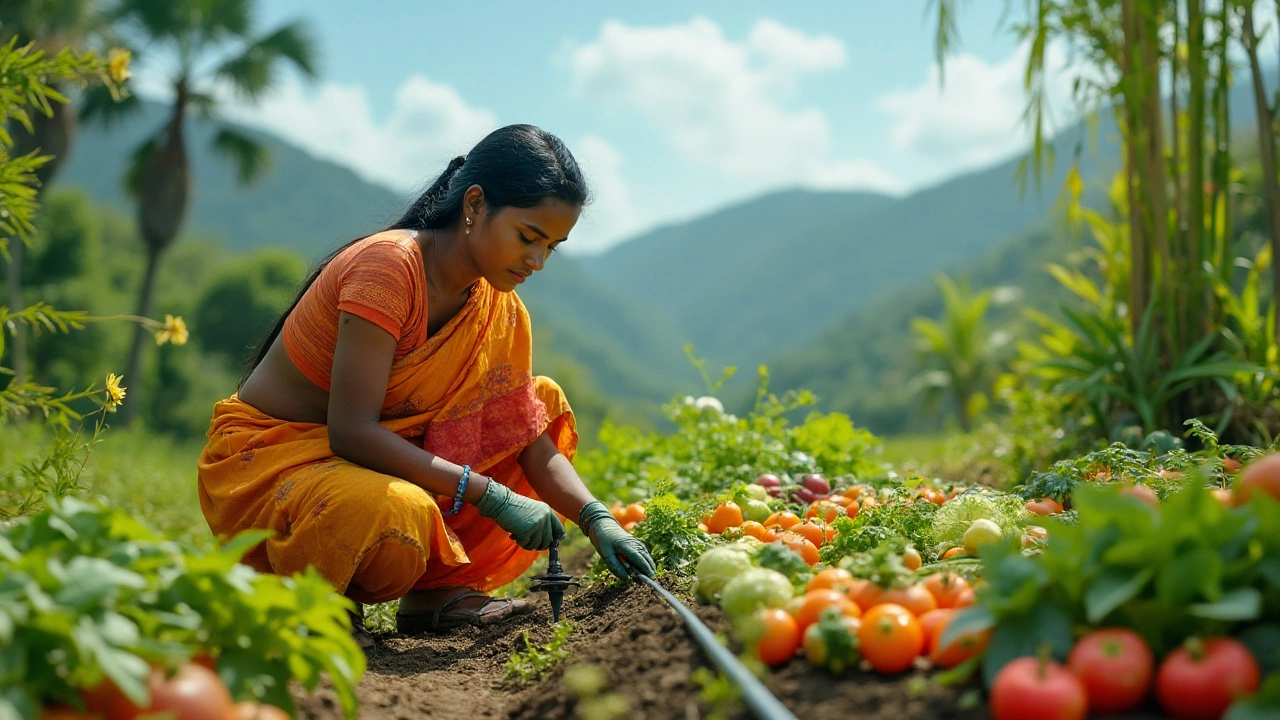
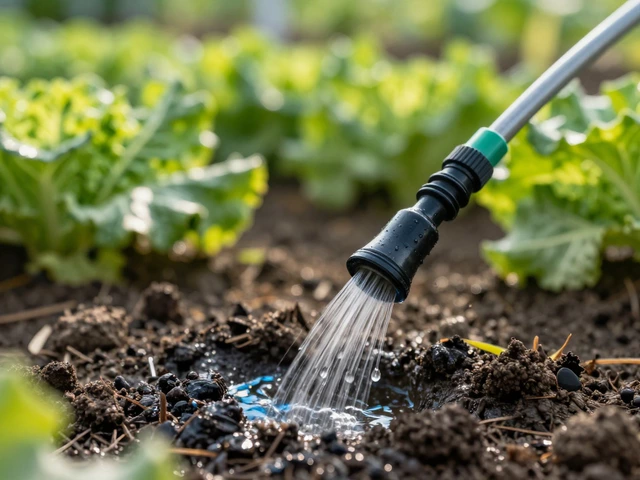
When you build your own DIY irrigation, a custom watering system designed by the gardener to deliver water directly to plant roots. Also known as homegrown irrigation, it cuts waste, lowers bills, and helps plants thrive without guesswork. Most people think watering means turning on a hose and walking away—but that’s how you lose water, kill roots, and waste time. Real efficiency comes from targeting the soil, not the air.
Drip irrigation, a low-pressure system that releases water slowly through emitters or drippers. Also known as precision watering, it’s the backbone of smart DIY setups. But it’s not the only option. Soaker hoses, porous tubes that seep water along their length. Also known as weeping hoses, they’re cheaper, easier to install, and perfect for rows of veggies or flower beds. Then there’s rainwater harvesting, collecting and storing rain from rooftops for garden use. Also known as rain barrel systems, it turns monsoon downpours into free, chemical-free water for dry months. And if you’re serious about efficiency, subsurface irrigation, buried pipes that deliver water below the soil surface. Also known as underground drip, it cuts evaporation to near zero and is used by serious urban growers in Mumbai and Bangalore. These aren’t just tools—they’re part of a system. You need the right mix of emitters, timers, filters, and soil prep to make them work.
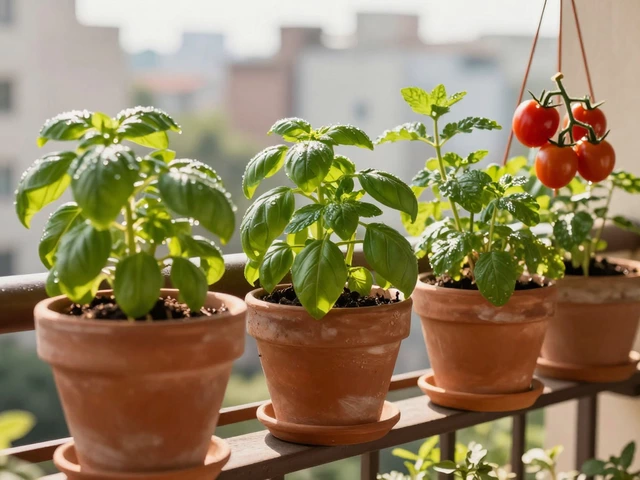
DIY irrigation isn’t about fancy gadgets. It’s about understanding your plants, your soil, and your climate. In India, where water is tight and summers are brutal, a well-designed system can mean the difference between a patch of wilted plants and a thriving garden. You don’t need to be an engineer. Start small—a single drip line for your tomato pots, a rain barrel under your balcony drain, a soaker hose looping around your herbs. Test it. Adjust it. Watch how your plants respond. The best systems aren’t bought—they’re built, tested, and improved over time.
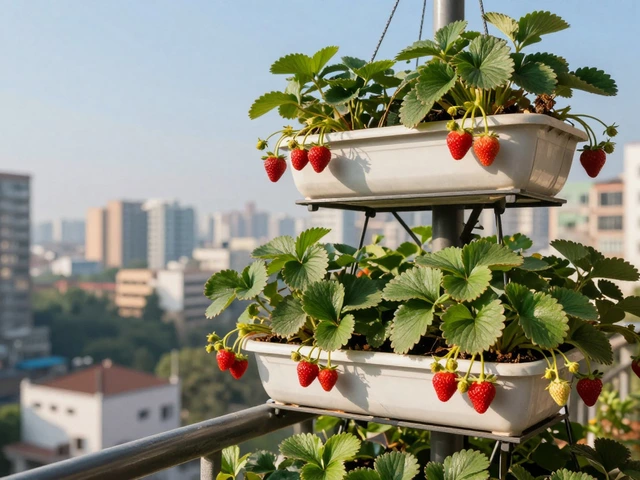
Below, you’ll find real-world guides on fixing leaky drip lines, choosing between emitters and drippers, using mulch to cut watering needs by half, and turning old buckets into smart watering stations. No fluff. No theory. Just what works for Indian gardens—whether you’re on a balcony in Delhi, a terrace in Chennai, or a small yard in Pune.
Drip irrigation systems are a highly efficient and water-saving solution for gardeners looking to maximize their yield while minimizing water waste. Installing such a system on your own might seem challenging, but it's entirely doable with the right tools and guidance. This article provides step-by-step instructions, tips, and helpful insights on how to set up a drip irrigation system in your garden, highlighting the benefits and practical aspects of managing your own irrigation project. Discover how this sustainable watering method can transform your gardening experience.