Drippers Explained: How They Work, How to Use Them, and What’s Better
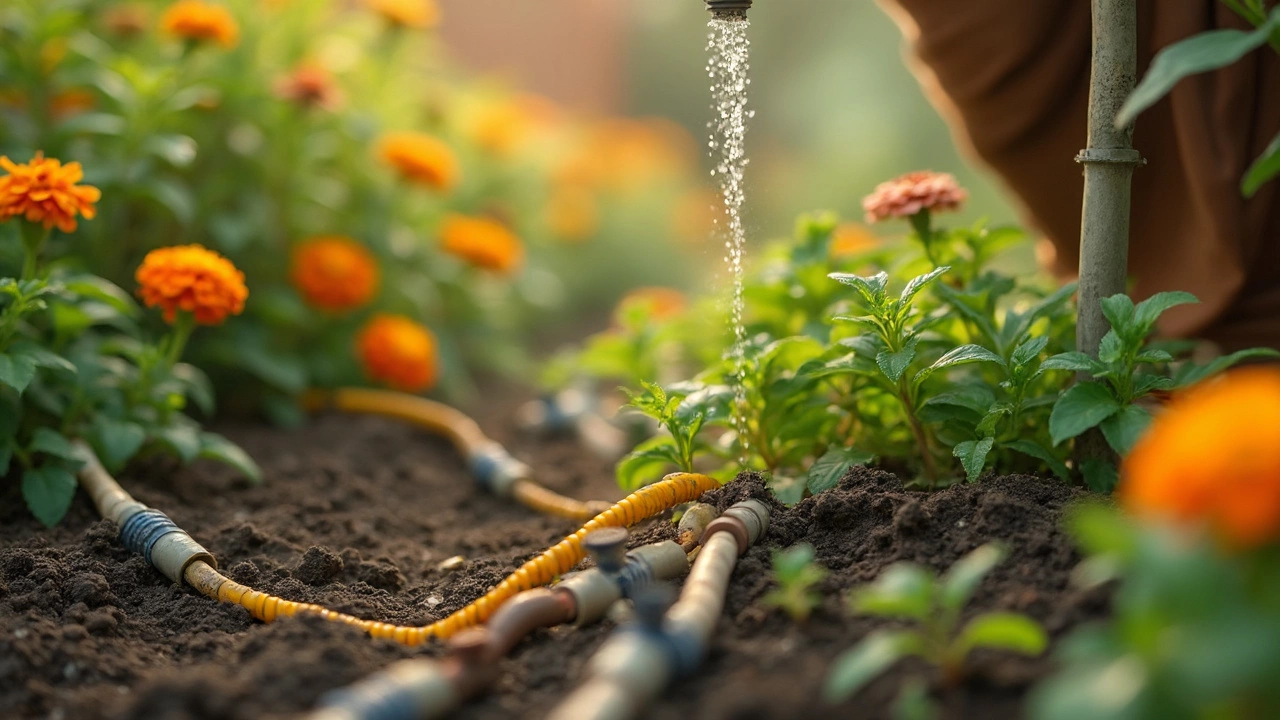
When you think of drippers, small devices that release water slowly at the base of plants. Also known as emitters, they are the backbone of modern drip irrigation systems designed to cut water waste and boost plant health. Most people assume drippers are simple — just poke a tube into the soil and let it drip. But that’s where things go wrong. Drippers aren’t one-size-fits-all. Their flow rate, placement, and spacing change everything — especially in India’s varied climates, from dry Punjab to humid Kerala.
Drippers work best when they match the plant’s root zone. A tomato plant needs more water than a succulent, and a potted plant on a balcony dries out faster than one in the ground. That’s why pairing drippers with the right emitters, devices that control water flow in drip systems matters. Not all emitters are drippers — some are pressure-compensating, some are self-cleaning, and some are made for high-sediment water. In Indian cities where water quality varies, choosing the wrong type can clog your whole system in weeks. And if you’re running your drip system every day, you’re probably overwatering. Soil doesn’t need constant moisture — it needs time to breathe. Check the top two inches. If it’s damp, skip watering.
What’s more, drippers are just one piece of a smarter system. Mulching, covering soil with organic material to hold moisture and block weeds cuts water use by up to 50%. Rainwater harvesting, collecting and storing rain for garden use gives you free, chemical-free water during dry spells. And in places like Mumbai or Chennai, where monsoons bring heavy rain, combining drippers with these methods means you’re not just saving water — you’re using it smarter.
Many gardeners in India still think drip irrigation is the gold standard. But better options exist. Soaker hoses deliver water evenly along their length, ideal for rows of veggies. Subsurface irrigation hides pipes below the soil, reducing evaporation even more. The real win? Using drippers only where needed — around trees, shrubs, and high-value plants — and letting everything else rely on mulch, natural rainfall, or simple hand-watering. You don’t need a fancy system to grow healthy plants. You just need to understand what each part does — and when to skip it.
Below, you’ll find real-world guides on how to fix common dripper mistakes, how many to use per plant, why emitters aren’t the same, and what actually beats drip irrigation in water efficiency. No theory. No fluff. Just what works for Indian gardens — whether you’re growing on a balcony, terrace, or small backyard.
Drippers and emitters sound like the perfect tools for watering your garden slowly and precisely, but they're not flawless. The most common headache is clogging, but that's just scratching the surface. This article dives into the main drawbacks of using emitters on drip systems and what you can do to avoid major issues. Get tips for checking your system, simple maintenance tricks, and a few workarounds to keep your plants happy. You'll learn what to look out for so you're not caught off guard next growing season.