Eco-Friendly Gardening: Sustainable Ways to Grow Plants in India
When you practice eco-friendly gardening, a way of growing plants that protects the environment by avoiding synthetic chemicals and wasting resources. Also known as sustainable gardening, it’s not just about pretty flowers—it’s about making sure your garden gives back to the earth, not takes from it. In India’s hot, dry summers and heavy monsoons, this isn’t a trend. It’s a necessity. Most gardeners still reach for chemical fertilizers or run sprinklers all day, but the smart ones know better. They use compost instead of store-bought nutrients, collect rainwater instead of paying for taps, and let nature handle pests instead of spraying poison.
One of the biggest mistakes? Overwatering. A drip irrigation, a system that delivers water slowly to plant roots. Also known as low-flow watering, it’s better than sprinklers—but even drip systems can waste water if used every day. The real win? Pairing drip lines with mulching, covering soil with leaves, straw, or wood chips to lock in moisture and block weeds. Also known as soil cover, it cuts watering needs by half. Then there’s neem oil, a natural insect killer made from tree seeds that stops pests without hurting bees or soil life. Also known as botanical insecticide, it’s the top pick for Indian gardeners tired of chemical sprays. And when your soil turns hard and cracked? You don’t need expensive tools. Just add compost, poke holes with a garden fork, and let worms do the rest. Healthy soil is alive—it breathes, holds water, and feeds plants naturally.
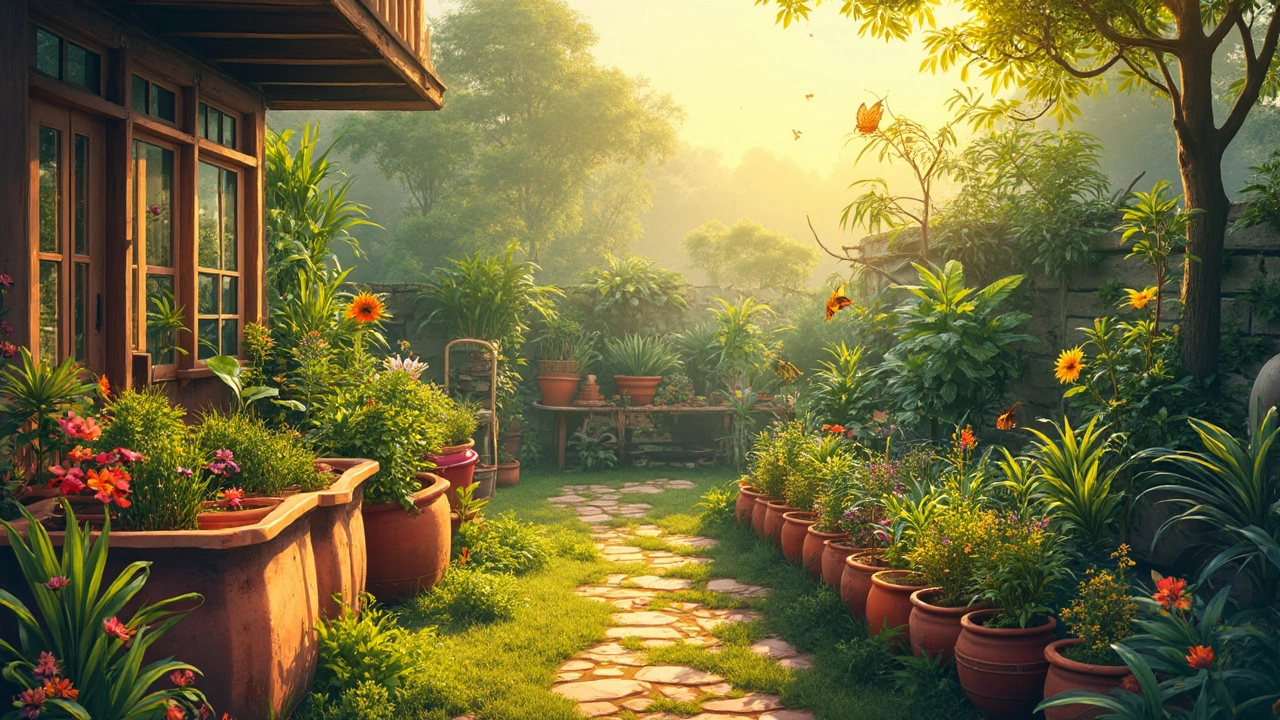
What you’ll find below aren’t theory-heavy guides. These are real fixes from Indian gardens: how to grow veggies on a balcony without a drip system, how to turn kitchen scraps into powerful fertilizer, why some plants thrive in monsoon rain while others die, and how to save water without giving up a single tomato. No fluff. No jargon. Just what works right now, in your climate, with your space, and your budget.
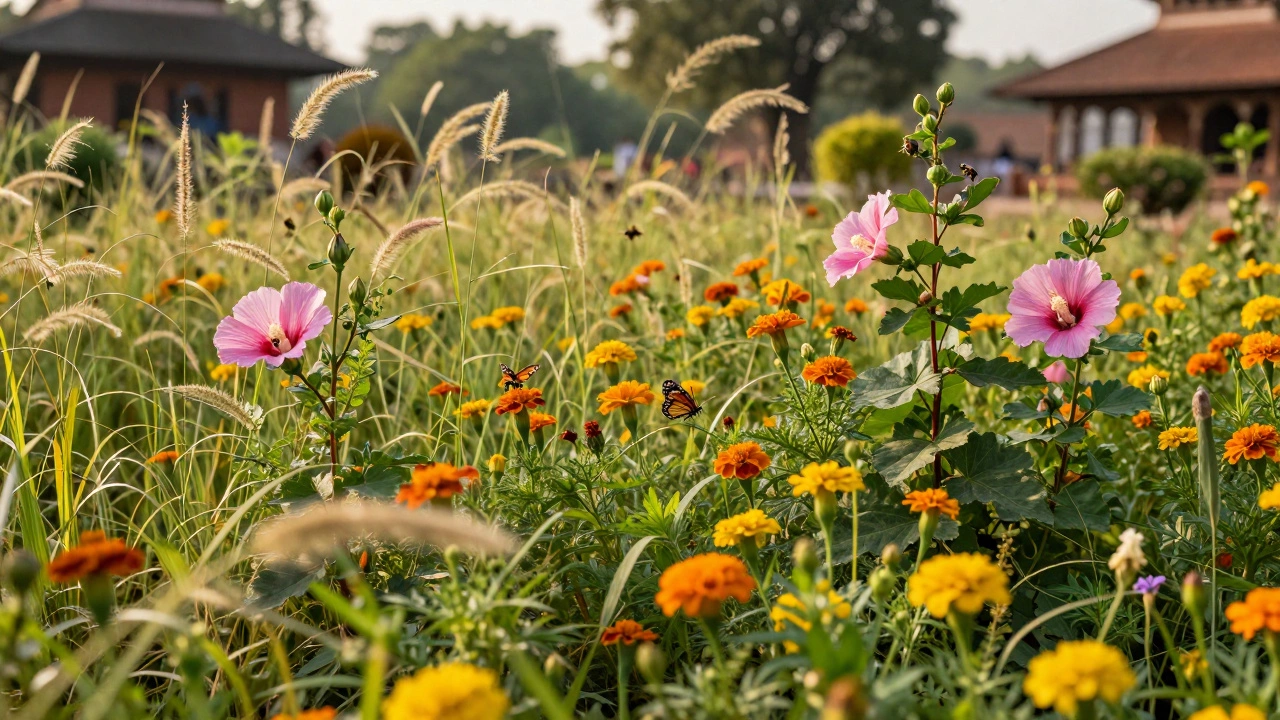
Discover which flowers are truly sustainable for your garden. Learn why native, perennial, and water-wise blooms beat exotic cut flowers in eco-friendliness, saving resources and boosting biodiversity.
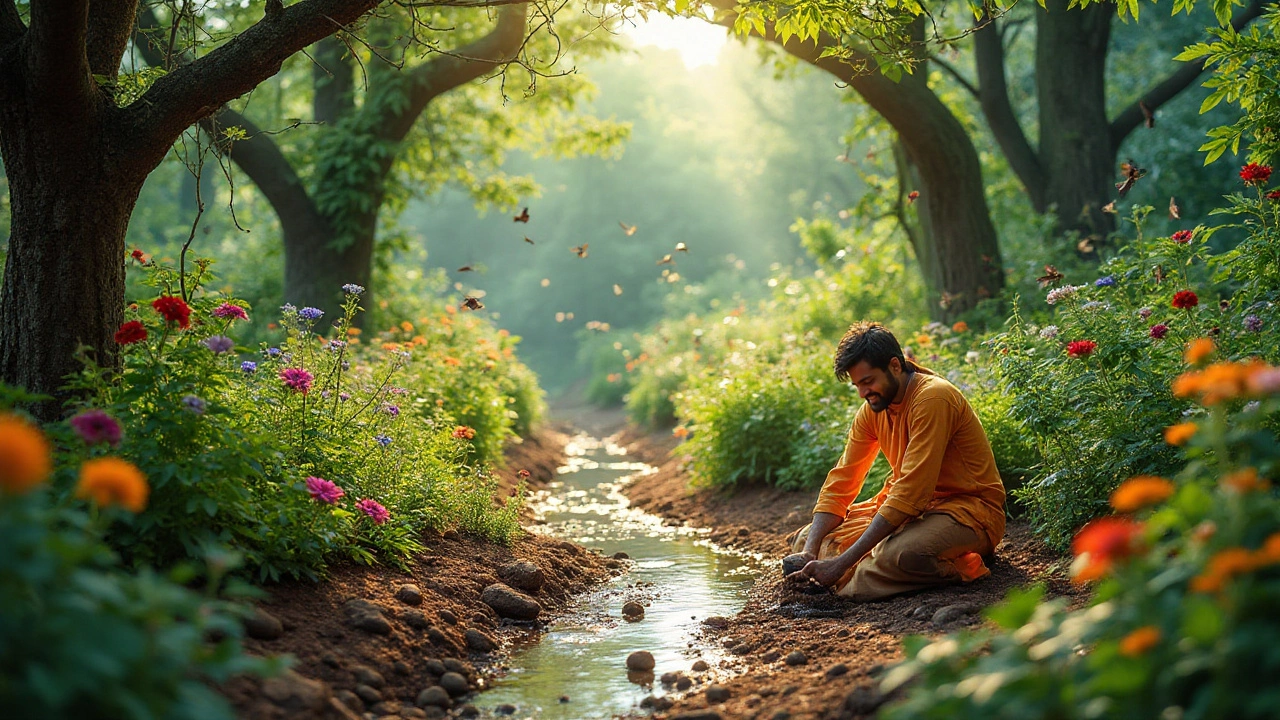
Regenerative gardening is all about working with nature to create a thriving ecosystem in your own backyard. It goes beyond traditional methods by focusing on soil health, biodiversity, and sustainable practices that replenish resources rather than deplete them. From composting to crop rotation, regenerative techniques can transform even the smallest garden into a vibrant, productive space. Discover how you can contribute to a healthier planet through your gardening efforts.
Permaculture gardening is a method that harnesses the natural ecosystems and cycles to create a sustainable and self-sufficient garden. It emphasizes working with nature rather than against it, using ethics of care for the earth, people, and fair share. Adopting permaculture principles can dramatically improve biodiversity and soil health while reducing waste and energy consumption. This comprehensive guide explores essential components of permaculture gardening, offering practical tips and techniques for sustainable living. Whether you're starting your first garden or looking to transform an existing space, permaculture provides valuable insights for a regenerative lifestyle.
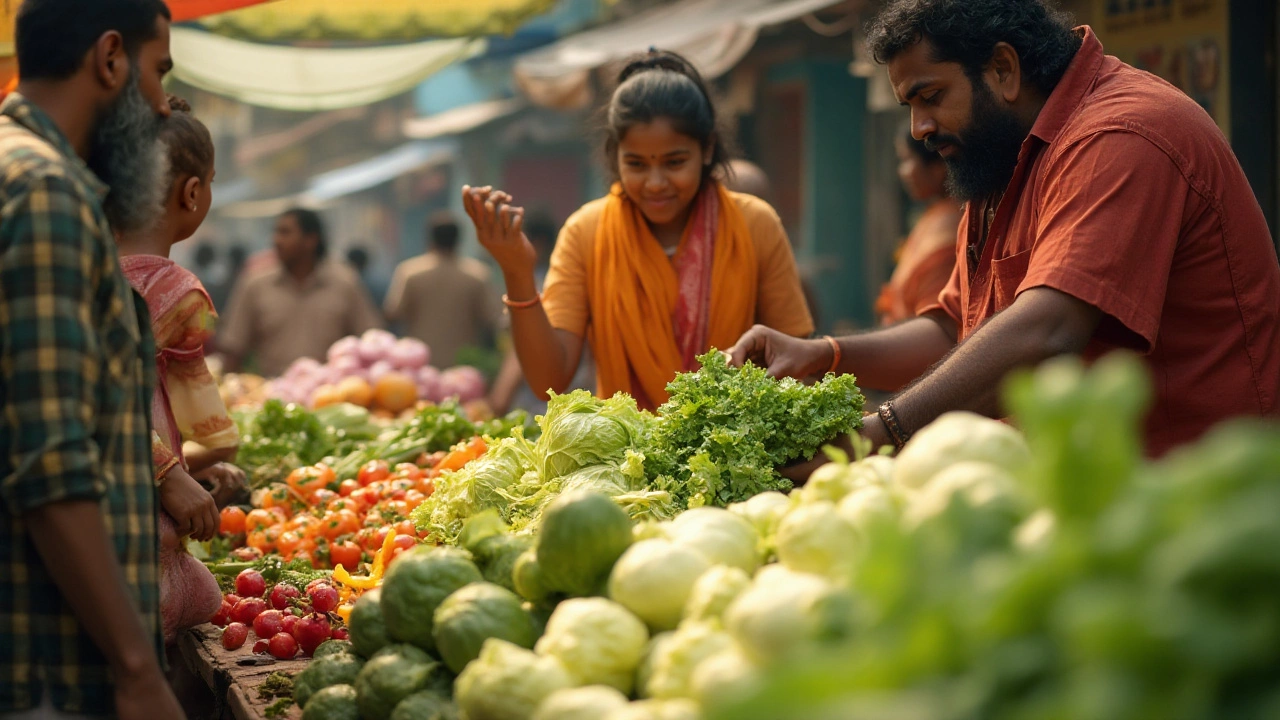
With the rise of conscious consumerism and sustainable living goals, it's crucial to examine which vegetables are considered unsustainable due to their environmental impact. This article explores the factors that contribute to unsustainability in vegetable production, focusing on water usage, pesticide needs, and carbon footprint. Learn about the notorious iceberg lettuce and discover alternatives that minimize environmental harm. Embrace eco-friendly practices to turn your gardening efforts into a force for good.