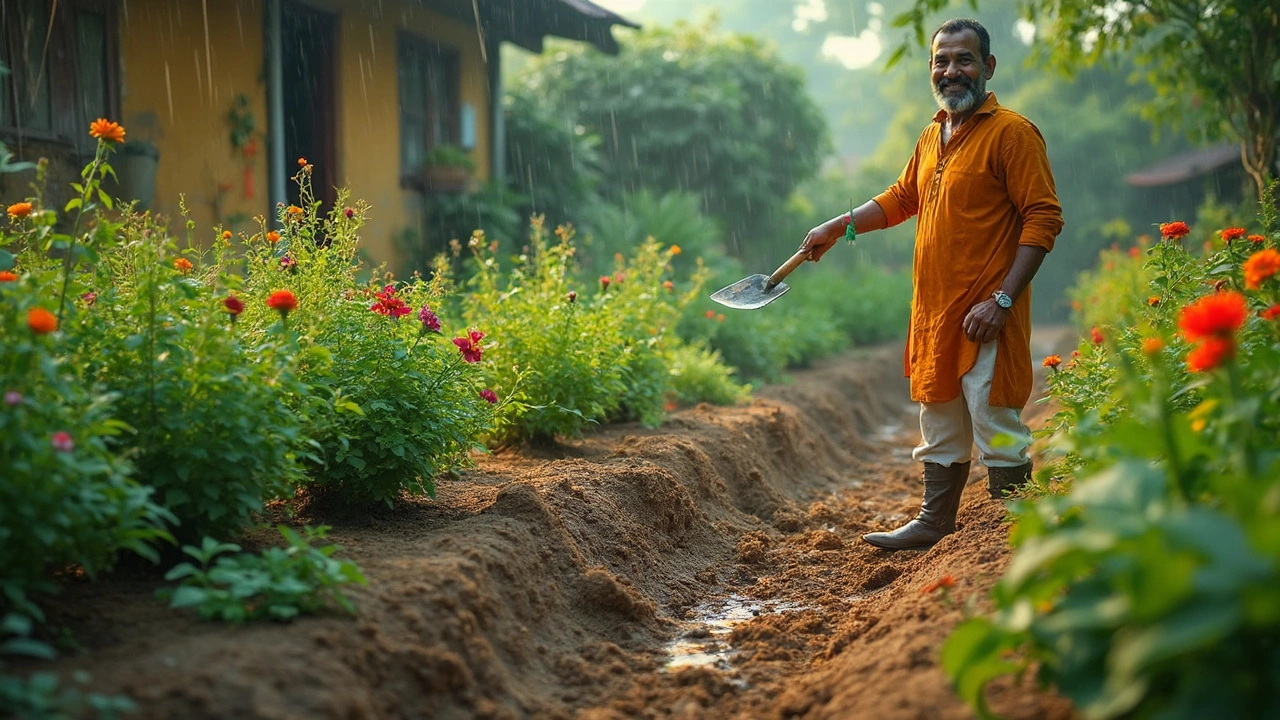
Fast Draining Soil: What It Is and Why It Matters for Indian Gardens
When we talk about fast draining soil, a type of soil that allows water to pass through quickly without holding onto excess moisture. Also known as well-aerated soil, it’s the secret behind healthy roots in pots, terraces, and even backyard gardens across India. Too much water sitting around roots causes rot, suffocates beneficial microbes, and kills plants faster than drought. In places like Mumbai or Kolkata, where monsoon rains pour down for weeks, fast draining soil isn’t just helpful—it’s necessary.
Soil that drains fast isn’t just sandy. It’s about structure. Think of it like a sponge that lets water flow out, not one that soaks up and holds it. This kind of soil includes organic matter, decomposed plant material that improves texture and holds nutrients without trapping water, mixed with perlite, a lightweight volcanic rock that creates air pockets, coarse sand, or even crushed brick. These ingredients open up the soil, letting roots breathe and water escape. In contrast, compacted clay soil—common in many Indian urban gardens—acts like a bucket, drowning plants even after light rain.
Plants that need fast draining soil aren’t rare. Bonsai trees, succulents, orchids like Vanda, and even vegetables like tomatoes and peppers all demand it. If your bonsai keeps turning yellow or your terrace herbs keep dying despite daily watering, the problem isn’t how much you’re watering—it’s that the soil won’t let the water go. You can test your soil by digging a small hole, filling it with water, and watching how fast it disappears. If it’s still standing after 10 minutes, you’ve got a drainage issue. Fixing it doesn’t need fancy tools. Just mix in compost and coarse grit. It’s cheaper than buying new pots and way more effective than changing your watering schedule.
Fast draining soil also works hand-in-hand with other smart gardening habits. Mulching helps it stay moist without becoming soggy. Drip irrigation systems work better when the soil doesn’t hold water too long. Even rainwater harvesting makes sense here—because if your soil drains well, you can collect and reuse runoff without flooding your plants. It’s not about avoiding water. It’s about managing it right.
In India’s unpredictable climate—where dry spells follow heavy rains—having soil that responds quickly is a game-changer. You won’t need to guess whether you’ve overwatered. You’ll know because your plants will look healthy, not sickly. The posts below show real fixes: how to fix compacted soil, what potting mixes actually work, why drip systems fail when soil doesn’t drain, and which plants scream for better drainage. No theory. No fluff. Just what works on balconies, terraces, and small gardens across the country.
Tired of soggy patches ruining your garden? This guide breaks down simple, hands-on ways to boost soil drainage, so your plants don't drown after every rainfall. Learn which materials and tweaks work best, mistakes to avoid, and how to spot real improvement. Whether you’ve got clay-heavy earth or compacted beds, these quick fixes honestly take the guesswork out of soil drainage. Give your plants roots room to breathe and grow strong.