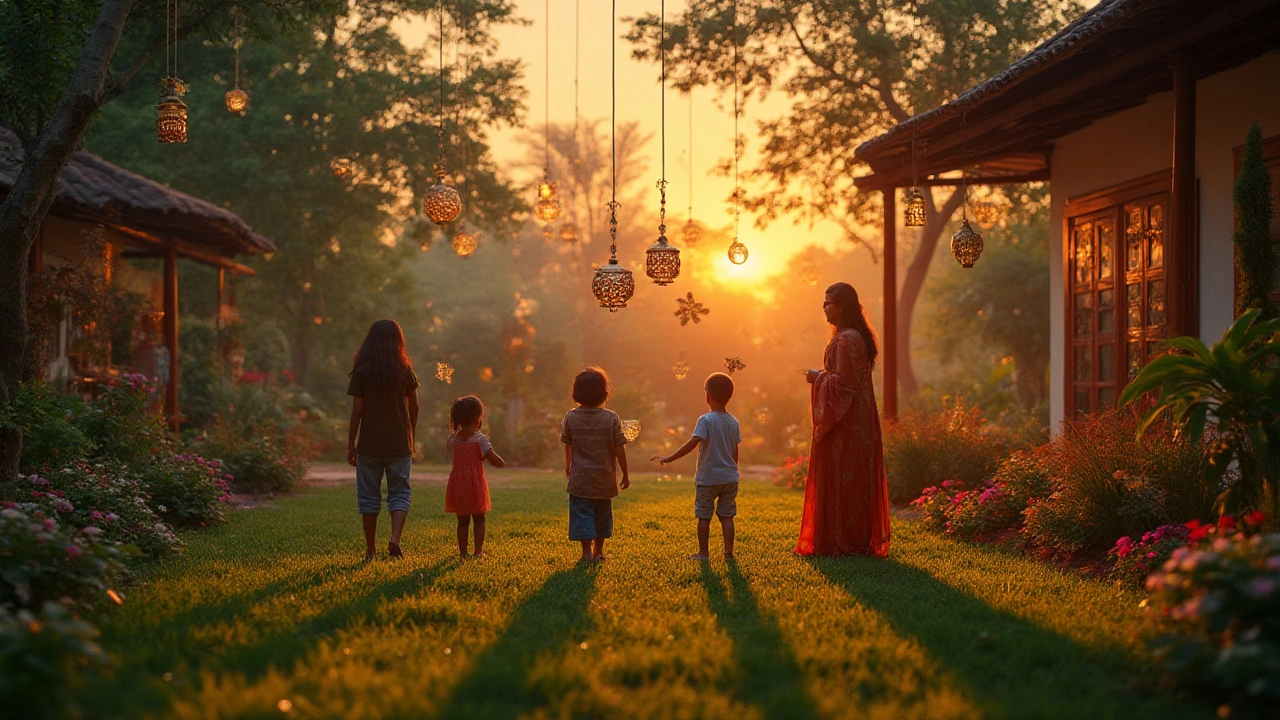
Floating Shadow: What It Is and Why It Matters in Gardening
When sunlight filters through leaves, branches, or even a lattice, it doesn’t just cast a dark spot—it creates a floating shadow, a shifting, dappled pattern of light and dark that moves across the ground as the sun travels. Also known as dappled shade, it’s not the same as full shade or direct sun. This dynamic light pattern is a natural tool that can make or break your plants, especially in India’s intense heat and seasonal monsoons. Most gardeners ignore it, treating shade as a single category. But floating shadow isn’t static—it changes with the time of day, season, and even the height of nearby trees. That’s why plants under a neem tree’s floating shadow grow differently than those under a concrete awning or a solid canopy.
Floating shadow is a key player in shade gardening, the practice of growing plants in areas that don’t get full, direct sunlight. It’s especially useful in urban Indian homes where balconies, terraces, and small courtyards get harsh midday sun but need cooler, gentler light in the morning or late afternoon. Plants like Mogra jasmine, Vanda orchids, and even some leafy veggies respond better to this filtered light than to full exposure. The movement of floating shadow also helps reduce water loss through evaporation, making it a silent ally in water-efficient gardening. If you’ve ever seen a plant thriving in a spot that looks too shady, it’s likely because it’s getting the perfect floating shadow—not too little, not too much.
It also connects to how you design your garden shade, any structure or natural feature that blocks or softens sunlight to protect plants. A bamboo trellis, a pergola with climbing vines, or even a strategically placed pot of tall grass can create floating shadow where you need it most. Unlike solid shade that kills growth, floating shadow encourages stronger stems, deeper roots, and better leaf color. It’s why your bonsai might be yellowing—not because you’re overwatering, but because it’s stuck in unchanging, flat shade instead of moving, dappled light. The same goes for your terrace garden: if every plant gets the same light all day, you’re missing a huge opportunity to match plants with their ideal conditions.
Understanding floating shadow means you’re no longer guessing where to place your plants. You’re working with nature’s rhythm. You’ll see why some plants die under a south-facing window while others explode in a north-facing corner. You’ll know why your container veggies do better under a half-shaded balcony rail than in full sun. And you’ll realize that watering schedules, soil choices, and even pest problems often stem from mismatched light—not bad care.
Below, you’ll find real guides that show you exactly how to use floating shadow to your advantage: which plants thrive under it, how to create it with simple DIY setups, how to adjust for India’s changing seasons, and why some of the toughest plants to grow—like Vanda orchids—depend on it. This isn’t theory. It’s what works in Indian homes, terraces, and balconies every day.
Discover practical methods to create floating shadows for stunning garden decor. This guide breaks down the science, the technique, and insider hacks for unforgettable outdoor effects.