Garden Soil Health: How to Fix, Feed, and Protect Your Soil for Better Plants
When you think about growing strong plants, you probably picture bright leaves or juicy tomatoes—but none of that matters if your garden soil health, the foundation of plant life that determines water flow, nutrient access, and root development. It’s not just dirt—it’s a living system. Most gardeners focus on watering or feeding, but skip the real problem: soil that’s packed tight, lifeless, or full of chemicals. If your plants look weak even when you water and fertilize, the issue isn’t the plant—it’s the soil beneath it.
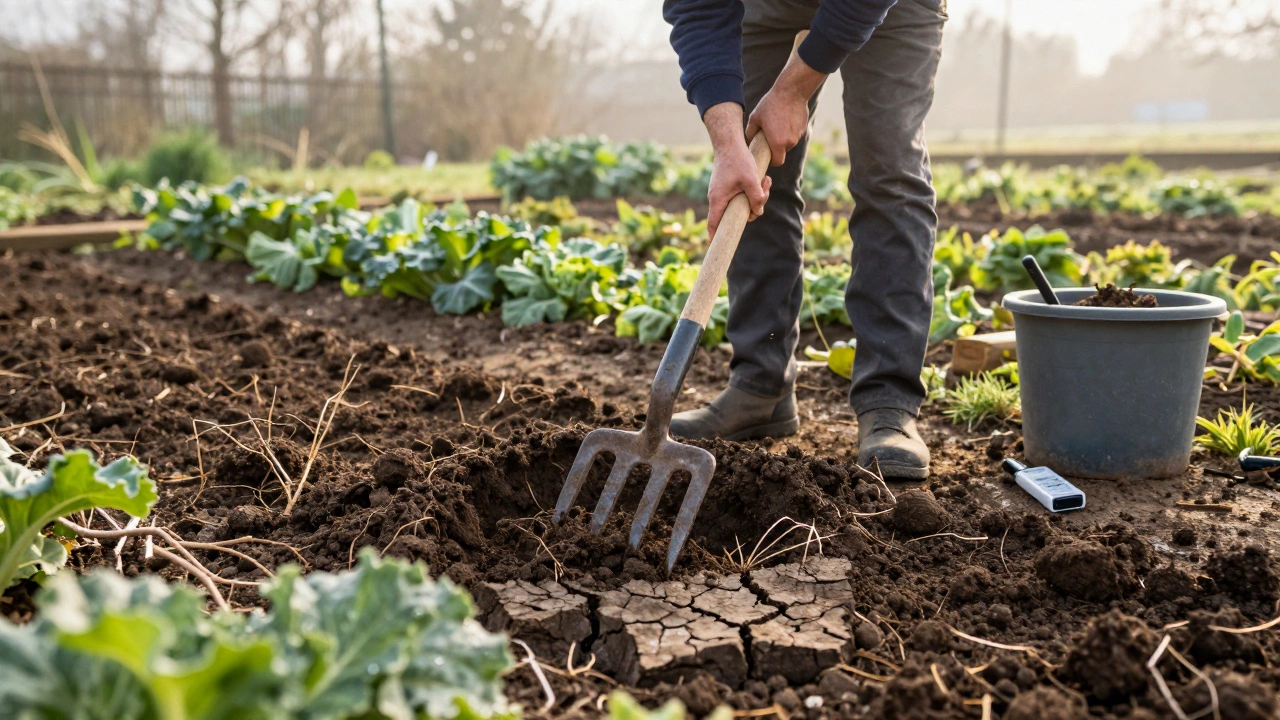
Compacted soil, a dense, hard layer that blocks roots and water is the silent killer of gardens. You can spot it when rain pools on the surface, roots grow sideways instead of down, or your plants turn yellow without obvious cause. The fix? Not more fertilizer—soil aeration, the process of opening up soil to let air, water, and microbes move freely. You don’t need expensive tools. A garden fork, some compost, and a little patience can turn hard ground into crumbly, living earth. And soil improvement, the ongoing practice of adding organic matter to boost structure and biology isn’t a one-time job. It’s what you do every season—mulching with leaves, tossing in worm castings, or letting cover crops grow in empty beds.
What you add to the soil matters more than what you spray on the leaves. Synthetic fertilizers give a quick green-up but starve the microbes that keep soil alive long-term. Real organic soil care, using natural materials to feed the soil ecosystem instead of just the plants means letting worms do the work. Compost, leaf mold, and well-rotted manure don’t just add nutrients—they rebuild soil texture, hold moisture, and keep pathogens away. That’s why the same gardeners who swear by drip irrigation or fancy emitters still end up with poor yields—they’re treating symptoms, not the cause.
Look at the posts below. You’ll see real fixes for real problems: how to unseal hard soil without digging up your whole yard, why neem oil helps soil health by reducing pests that damage root systems, and how rainwater harvesting keeps your soil from getting salted out by tap water. You’ll find out why overwatering kills more than drought—it drowns the microbes that feed your plants. And you’ll learn how to turn your balcony or terrace into a thriving patch not by buying more pots, but by fixing what’s underneath them.
This isn’t about following trends. It’s about understanding what soil actually needs—and giving it to your plants in the simplest, most effective way. The results? Fewer pests, less watering, and plants that grow without begging for help. Let’s get your soil working for you, not against you.
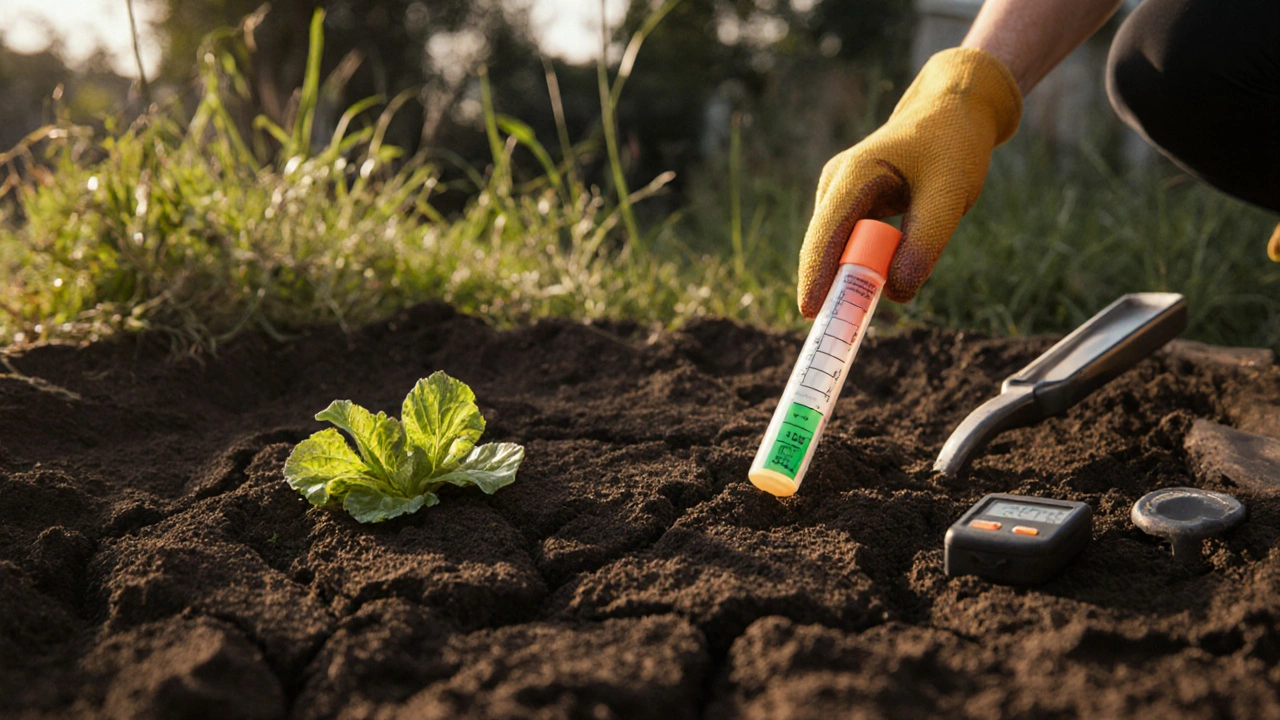
Learn how to restore old garden soil with simple, proven steps: test pH, break compaction, add compost, plant cover crops, and use mulch. No chemicals needed-just patience and nature.