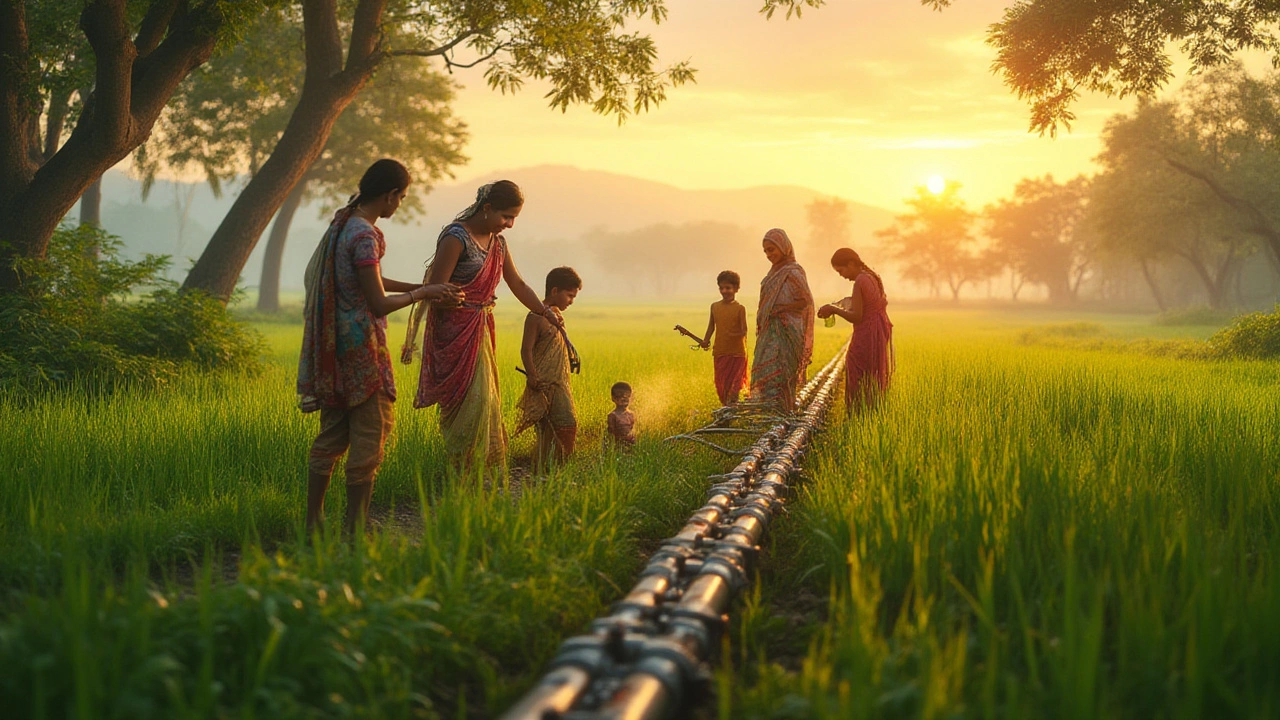
Garden Watering Systems: Smart Ways to Water Plants Without Wasting Water
When it comes to keeping your garden alive, garden watering systems, structured methods to deliver water to plants efficiently. Also known as irrigation setups, they’re not just about turning on a hose—they’re about matching the right system to your plants, soil, and climate. In India’s hot, uneven rainfall seasons, guessing when to water kills more plants than pests do. The best garden watering systems don’t just deliver water—they hold it where roots need it, reduce evaporation, and cut your water bill.
One of the most common tools is drip irrigation, a network of tubes and emitters that slowly drip water near plant bases. Also called low-flow irrigation, it’s great for vegetables, herbs, and shrubs. But running it every day? That’s a mistake. Too much water drowns roots, especially in heavy Indian soils. You need to adjust based on weather, season, and plant type. Better yet, pair it with mulching, a layer of organic material like straw or wood chips that traps moisture and keeps soil cool. Also known as soil cover, mulch cuts watering needs by up to 50% and stops weeds from stealing your plants’ nutrients.
Still not enough? Then look at rainwater harvesting, collecting and storing rain from rooftops or gutters for later use. Also known as rain barrel systems, this isn’t just eco-friendly—it’s smart economics. In cities like Bangalore or Pune, where water supply is unreliable, a single 500-liter tank can keep a small terrace garden alive for weeks. Combine that with soaker hoses, porous tubes that seep water evenly along their length. Also known as weeping hoses, they’re cheaper than drip systems and perfect for rows of tomatoes or leafy greens. And if you’re serious about saving water, try subsurface irrigation, buried pipes that deliver water directly to root zones. Also known as underground drip lines, this method loses almost no water to evaporation, making it ideal for dry regions like Rajasthan or Gujarat.
None of these systems work well if your soil is hard and compacted. You can have the fanciest drip line in the world, but if water pools on top instead of sinking in, you’re wasting time and money. That’s why fixing soil structure comes before installing any watering system. A little compost, some aeration, and regular mulch turn clay or baked earth into a sponge that holds water like a towel. And don’t forget—plants like Vanda orchids or bonsai trees don’t just need water, they need the right rhythm. Overwatering is silent murder. Yellow leaves, soggy soil, mushy roots—these are signs you’re drowning your plant, not feeding it.
What you’ll find below isn’t just a list of articles. It’s a practical toolkit. You’ll learn how many emitters your drip system really needs, why soaker hoses beat drip in some cases, how to build a rain barrel from a plastic drum, and how to tell if your bonsai is dying from too much water—not too little. These aren’t theories. They’re fixes people in Indian cities and towns are using right now to grow more with less. No fluff. No jargon. Just what works.
Drip irrigation can last from a few to over 15 years, but it depends on care, weather, and installation. Here’s what actually affects your system’s lifespan, plus smart tips for long-lasting performance.