Indian eggplant: Growing, Uses, and Best Practices for Indian Gardens
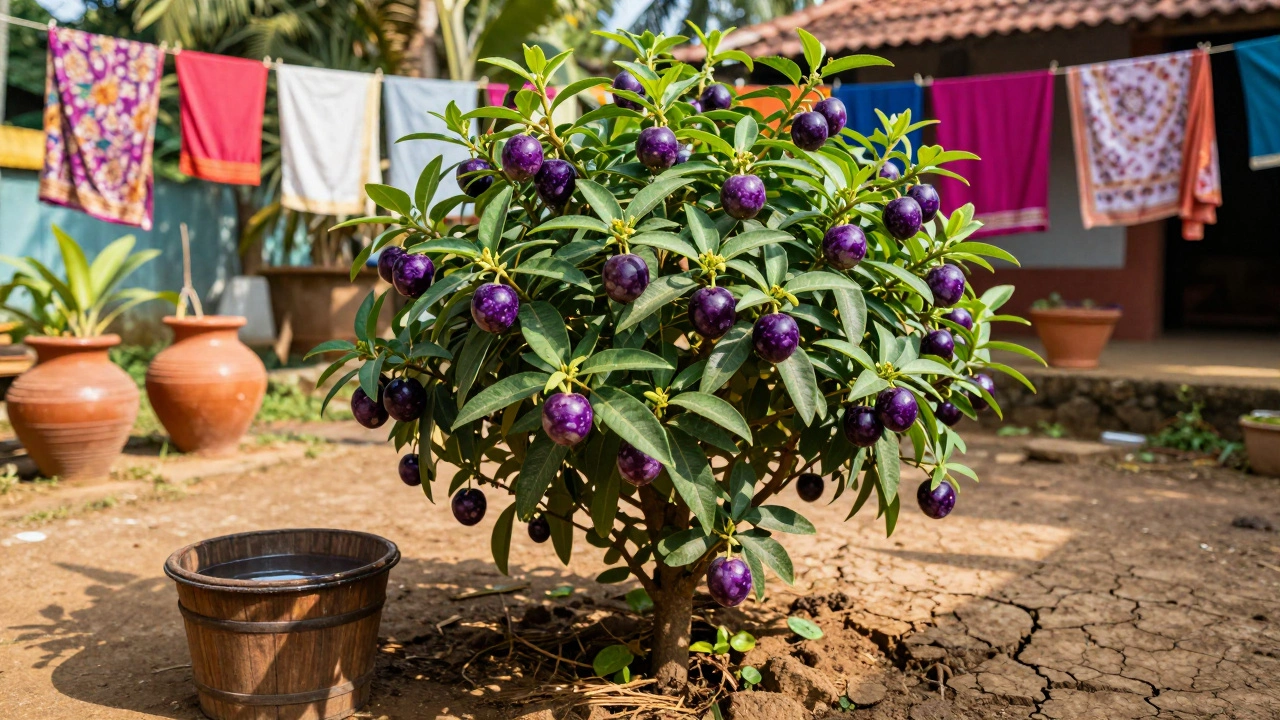
When you think of Indian eggplant, a small, purple, deeply flavorful variety of solanum melongena widely grown across India’s diverse climates. Also known as brinjal, it’s not just a vegetable—it’s a cultural staple in curries, stir-fries, and pickles from Kerala to Punjab. Unlike the large, round eggplants you find in supermarkets abroad, Indian eggplant is smaller, denser, and holds up better in high heat and humidity. It’s one of the most resilient crops you can grow, even in a 10x10 patio or a tiny balcony, which is why it shows up in nearly every home garden in India.
What makes Indian eggplant special isn’t just taste—it’s how well it fits into local growing conditions. It thrives in the same soil that’s too compacted for carrots, survives the same monsoon rains that drown delicate seedlings, and doesn’t need drip irrigation to flourish. That’s why it’s often grouped with other native vegetables India, crops like bitter gourd, drumstick, and snake gourd that evolved alongside India’s seasons and soils. These plants don’t need fancy inputs. They respond to compost, natural pest control like neem oil, and smart spacing—not expensive hydroponics or chemical fertilizers. In fact, many of the top-performing home gardens in India rely on these indigenous crops because they’re low-maintenance, nutrient-rich, and naturally pest-resistant.
But here’s the catch: most people treat Indian eggplant like any other plant. They overwater it, plant it in shallow pots without drainage, or skip crop rotation. That’s why you see so many failed attempts—even though the plant itself is tough. It needs sun, loose soil, and space to breathe. If you’ve ever struggled with compacted soil, hard, dense earth that blocks roots and traps water. you’re not alone. But fixing that with compost and mulch? That’s all it takes to turn a struggling plant into a heavy producer.
And if you’re thinking about scaling up, biotech solutions are making a real difference. From bio-stimulants that boost root development to organic seed treatments that cut down on fungal rot, modern gardening tools are helping Indian eggplant yield more with less. You don’t need a lab to use them—just the right product, applied at the right time.
Below, you’ll find real guides from gardeners who’ve cracked the code on growing brinjal in tight spaces, fighting pests without chemicals, and using compost to make their soil richer every season. Whether you’re growing on a balcony, in a raised bed, or in a backyard, there’s a tip here that’ll help you get more eggplant with less stress.
The queen of India plant is a small, hardy vegetable native to India, known for its resilience and rich flavor in traditional dishes. Easy to grow in pots or gardens, it's a forgotten gem of Indian kitchen gardening.
Continue reading...