Indian Flowers: Best Native Blooms, Care Tips, and Monsoon Favorites
When you think of Indian flowers, native flowering plants that thrive across India’s diverse climates, from arid deserts to humid monsoon zones. Also known as native Indian blossoms, they’re not just pretty—they’re part of daily life, festivals, and even medicine. From the sweet-scented Mogra flower, a type of jasmine (Jasminum grandiflorum) that blooms heavily during monsoon and is used in garlands and temple offerings to the rare, endangered sandalwood, a slow-growing tree prized for its wood and oil, now under threat due to illegal harvesting, India’s floral diversity is unmatched. These flowers don’t just grow—they adapt. They survive scorching summers, heavy rains, and poor soil, often with zero help from gardeners.
But here’s the catch: most people treat Indian flowers like tropical houseplants. They water them daily, put them in full sun when they need shade, or skip the compost altogether. That’s why so many fail. The Vanda orchid, a high-maintenance native orchid that needs perfect humidity and airflow, not just a windowsill is the classic example. It’s not hard to grow—if you know its real needs. Same goes for Mogra. It doesn’t need fancy fertilizer. It needs well-drained soil, a little evening breeze, and to be left alone during peak heat. And while you’re at it, don’t forget the bigger picture. Many Indian flowers, like sandalwood and certain wild orchids, are disappearing. Growing them at home isn’t just about beauty—it’s a quiet act of conservation.
What you’ll find below isn’t a list of generic flower names. It’s a collection of real, tested advice from people who’ve grown these plants in Indian backyards, balconies, and terraces. You’ll learn why Mogra is called the rainy flower, how to save an overwatered bonsai that’s actually a native species, what plants bloom nonstop in India’s heat, and how to fix soil so your flowers don’t just survive—they explode with color. No fluff. No theory. Just what works, right here, right now, in your garden.
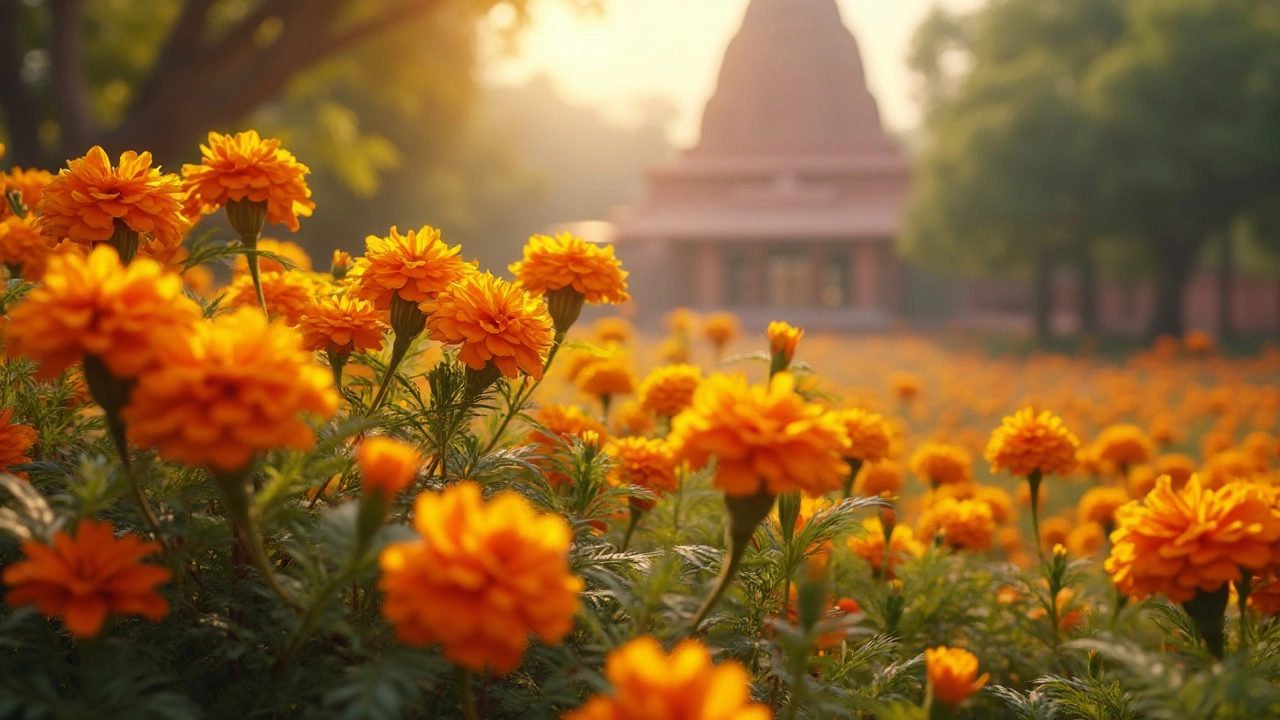
In India, the marigold is often considered the luckiest flower, cherished for its vibrant color and cultural significance. Known as the 'Herb of the Sun,' marigolds are believed to bring prosperity and happiness. This flower thrives in the Indian climate, making it a popular choice for both decorative and spiritual purposes in gardening. Dive into why the marigold enjoys this special status and how you can incorporate it into your garden.