Irrigation Tips for Healthy Plants: Drip Systems, Water Saving, and Soil Health
When it comes to irrigation, the method of delivering water to plants in a controlled way to support growth without waste. Also known as watering systems, it’s the backbone of any garden that wants to thrive without wasting resources. Too much water kills plants just as fast as too little. In India’s hot, uneven climate, getting irrigation right isn’t just about keeping plants green—it’s about survival, savings, and sustainability.
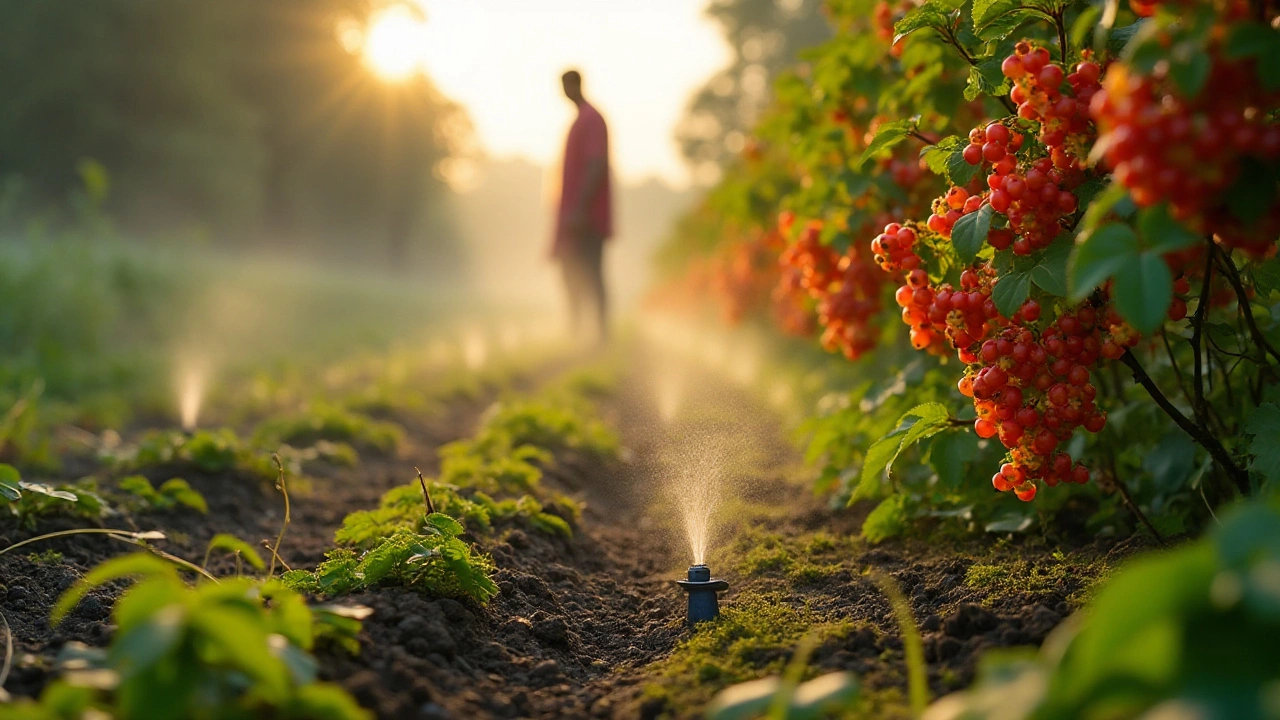
Most gardeners stick to old habits: watering every day because it feels right. But drip irrigation, a system that delivers water slowly and directly to plant roots through tubes and emitters. Also known as low-flow irrigation, it’s one of the most efficient tools you can use. Yet even drip systems can fail if run daily. The real secret? Let the soil tell you when it’s thirsty. Check the top two inches—dry? Time to water. Wet? Wait. This simple habit cuts water use by half and stops root rot before it starts.
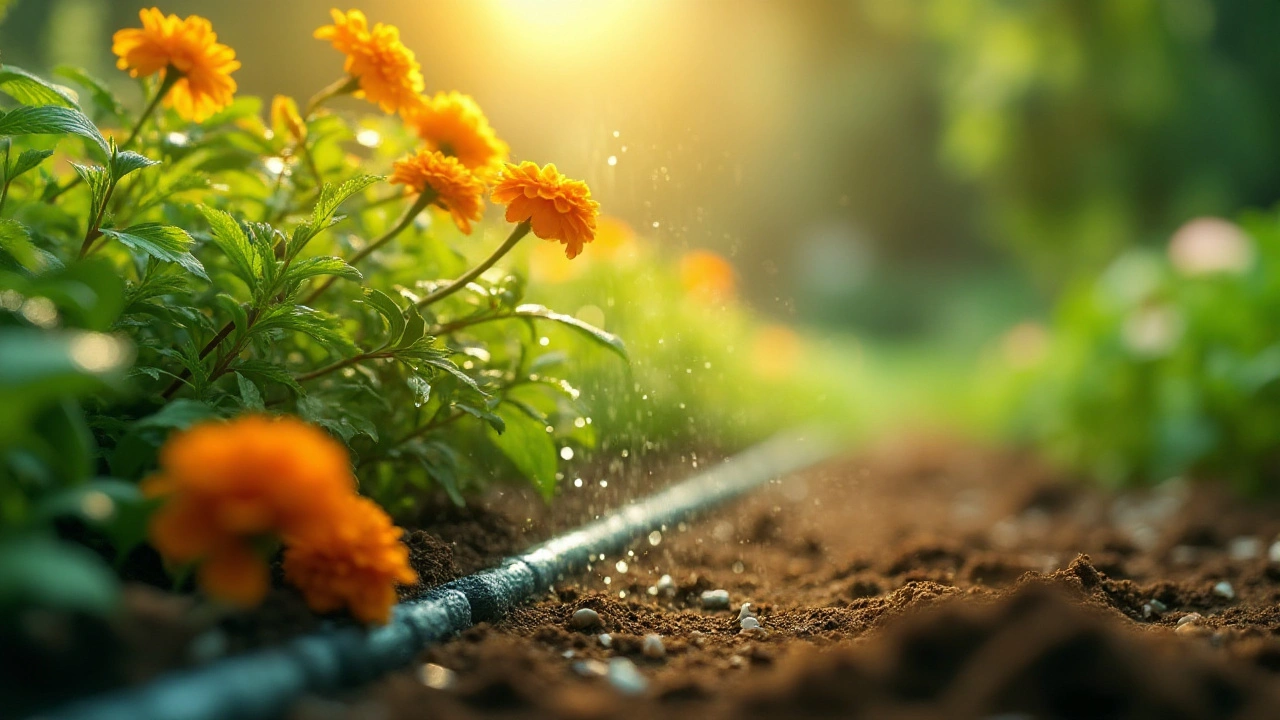
And drip isn’t the only option. soaker hoses, porous tubes that seep water evenly along their length. Also known as weeping hoses, they’re cheaper and easier to install than drip lines. Pair them with thick mulch, a layer of organic material like straw or wood chips that holds moisture and blocks weeds. Also known as soil cover, it’s the silent hero of water efficiency. Rainwater harvesting? It’s not just for eco-warriors. A single barrel can supply a small vegetable patch for weeks. Combine these, and you’re not just watering—you’re building a resilient system.
Overwatering is the #1 killer of bonsai, orchids, and even tomatoes. Yellow leaves, soggy soil, mushy roots—these aren’t signs of too little water. They’re screams for help. And fixing them starts with understanding your soil. Compacted soil won’t absorb water—it just runs off or pools. Aerate it with compost, loosen it with organic matter, and your plants will drink deeply without drowning.
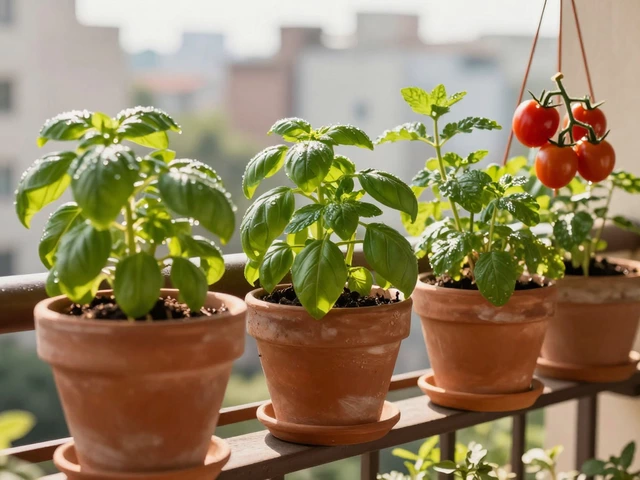
What you’ll find below isn’t theory. It’s what works in real Indian gardens—from balcony herb pots to rooftop veggie beds. You’ll learn how many emitters a zone really needs, why running drip every day is a mistake, what’s better than drip, and how to spot an overwatered plant before it’s too late. No fluff. No guesswork. Just clear, tested steps to make every drop count.
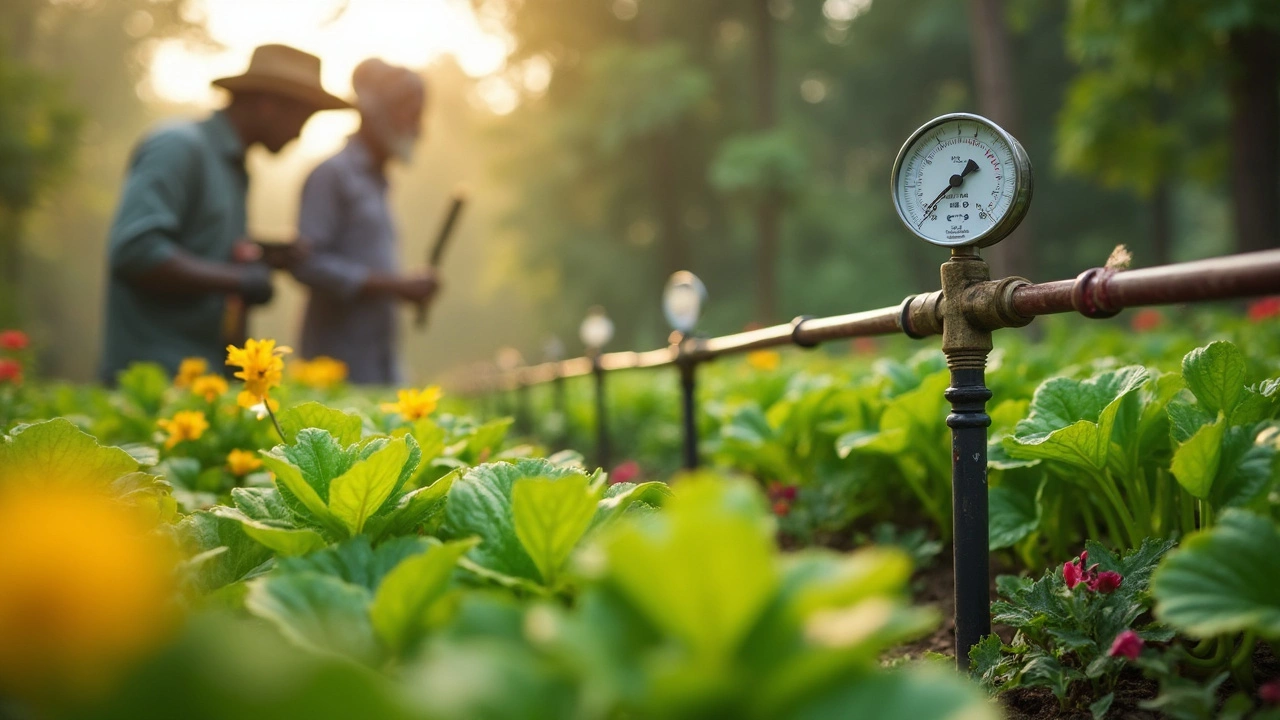
Curious if 30 psi is safe for your drip irrigation setup? This article cuts through the confusion about water pressure and shows what really matters for healthy plants and efficient watering. We’ll share smart tips, practical advice, and some surprising facts every gardener should know about their system’s pressure. Find out how to check, adjust, and get the most from your drip lines. Learn the warning signs of too much or too little pressure before it messes up your whole garden.
If you’re fed up with drip emitters clogging up and ruining your irrigation setup, you’re not alone. This guide breaks down exactly why emitters clog, and all the simple tricks to keep your drip system flowing, not failing. Get specific tips, easy maintenance routines, and advice on water quality that’ll seriously cut down on annoying blockages. Whether you’re a beginner or a seasoned gardener, these steps will help keep your drip emitters trouble-free. Stop wasting time on repairs—here’s how you keep water running right where you need it.
Drip irrigation systems are a highly efficient method of watering that delivers water directly to the root zones of plants. This article delves into how many drippers you can use on one line, factoring in important considerations like water pressure, landscape layout, and plant water needs. By optimizing your drip irrigation system, you can ensure your garden remains healthy and vibrant while making the most of your resources. Whether you're a seasoned gardener or a newcomer, understanding these essentials will guide you in setting up an efficient watering regimen.
Drip irrigation is a vital technique for sustainable gardening, effectively delivering water right to the plant roots. Determining the ideal run time for a drip system requires consideration of factors like plant type, soil conditions, and climate. By understanding these elements, gardeners can ensure their plants receive the perfect balance of hydration. This article explores key insights into optimizing drip irrigation duration, offering practical tips for maintaining plant health and conserving water.