Lime for Soil: How to Use It Right in Indian Gardens
When your plants struggle to grow, even with good water and sunlight, the problem might be hiding in the soil—specifically, in its acid level, a measure of how acidic or alkaline the soil is, often called pH. Also known as soil acidity, this hidden factor stops roots from absorbing essential nutrients like calcium and magnesium. That’s where lime for soil, a natural mineral amendment made from ground limestone, used to raise soil pH comes in. It’s not magic, but it’s one of the oldest, cheapest, and most effective fixes for tired, acidic soil in Indian gardens.
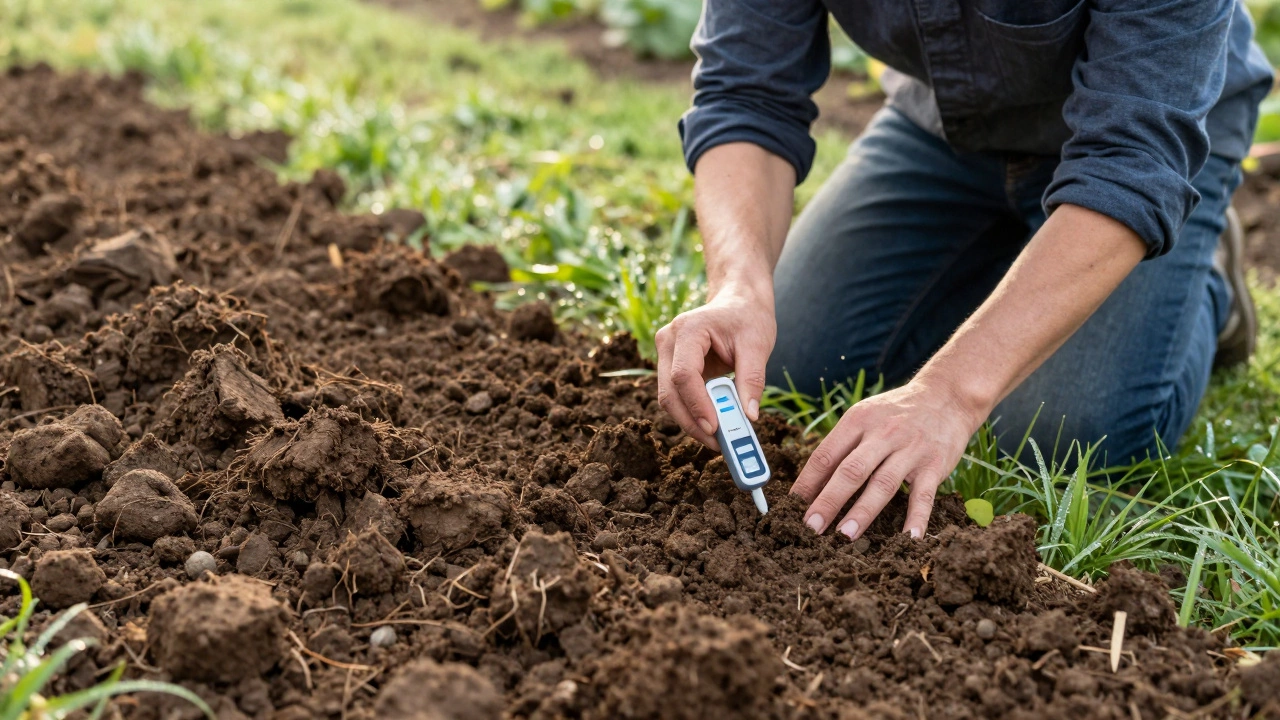
Most Indian soils, especially in regions with heavy rainfall like Kerala, Assam, or the Western Ghats, naturally turn acidic over time. Rain washes away basic minerals, leaving behind hydrogen ions that make the soil sour. When soil pH drops below 6.0, plants like tomatoes, cabbage, or even marigolds start showing signs of stress—yellow leaves, stunted growth, poor fruiting. Lime for soil doesn’t just neutralize acid; it releases calcium and magnesium, two nutrients plants need to build strong cell walls and activate enzymes. Think of it like giving your soil a vitamin shot. But here’s the catch: you can’t just dump lime everywhere. Too much makes soil too alkaline, locking up iron and zinc instead. That’s why testing your soil first matters. A simple home test with vinegar and baking soda can give you a rough idea, but for real accuracy, a $5 soil test kit from a local nursery tells you exactly how much lime you need.
Not all lime is the same. Agricultural lime, made from crushed limestone, works slow and steady—perfect for long-term fixes. Quick-acting dolomitic lime also adds magnesium, which helps if your soil is low in it. Powdered lime acts faster than pelletized, but it’s messier. Apply lime in early spring or after harvest, mix it lightly into the top 2-3 inches of soil, and water it in. Don’t rush it—results take weeks, not days. And never mix lime with nitrogen-rich fertilizers or compost right away; they can cancel each other out. Use it once every 2-3 years, unless your soil test says otherwise.
What’s cool is how this ties into everything else you’re doing. If you’re using compost, organic matter that improves soil structure and feeds microbes to revive old soil, lime helps it work better. If you’re setting up a drip irrigation, a water-efficient system that delivers moisture directly to plant roots, acidic soil can clog emitters faster. And if you’re growing veggies in pots, lime can fix the pH imbalance that builds up from repeated watering with tap water. This isn’t just about adding a mineral—it’s about balancing your whole garden system.
You’ll find posts here that show you how to fix compacted soil, revive tired garden beds, and pick the right fertilizers—all of which connect back to soil health. Lime for soil isn’t a cure-all, but when used right, it’s the quiet hero behind healthy plants. No guesswork. No hype. Just clear, practical steps to make your soil work for you, not against you.
Lime doesn’t soften soil physically, but it improves structure by correcting acidity. Learn when and how to use lime effectively, what it actually does, and alternatives that really loosen heavy soil.
Wondering if your garden soil needs a boost? Lime is a game-changer for tired or acidic soil, helping unlock essential nutrients and create the best conditions for your plants. This guide breaks down exactly what lime does to soil and how to tell if your garden actually needs it. You'll get practical tips for applying lime and common mistakes to avoid. Let's make garden science simple—and your plants happy!