Luckiest Flower: What It Is and Why It Matters in Indian Gardens
When people talk about the luckiest flower, a plant believed to bring fortune, peace, and positive energy in Indian homes and rituals. Also known as Mogra flower, it’s not just a pretty bloom—it’s a cultural cornerstone that thrives in monsoon heat and bright balconies alike. Unlike ornamental flowers that need perfect conditions, the Mogra jasmine (Jasminum grandiflorum) grows wild in backyards, climbs trellises with little help, and blooms through rain and shine. It’s the flower you smell at temple gates, wedding halls, and grandmother’s windowsills—not because it’s rare, but because it’s resilient, fragrant, and deeply trusted.
What makes it the luckiest isn’t just myth. It’s tied to real-world benefits: it attracts pollinators without chemicals, needs no fancy fertilizer, and its scent naturally repels mosquitoes. You’ll find it in nearly every post about rainy flower India, a plant that blooms most vibrantly during the monsoon season and is celebrated for its timing and symbolism, and in guides about auspicious plants, species chosen for their spiritual, cultural, or practical value in Indian households. It’s the only flower that shows up in both spiritual rituals and urban balcony gardens. And while other flowers like orchids or sandalwood are prized for rarity or price, Mogra wins because it’s easy, reliable, and everywhere you look in India.
People don’t grow it because they read about it in a book. They grow it because their mothers did, and their mothers before them. It’s the flower that doesn’t ask for much but gives back everything—fragrance, beauty, and a sense of calm. In a country where gardens are often small and soil is tough, Mogra thrives where others fail. It doesn’t need drip irrigation, special soil, or climate control. Just sun, a little water, and patience. And if you’ve ever smelled it at dawn after rain, you know why it’s called lucky. Below, you’ll find real stories from Indian gardeners who’ve learned how to grow it, how to use it in homemade incense, and why it outperforms expensive ornamentals in both health and happiness.
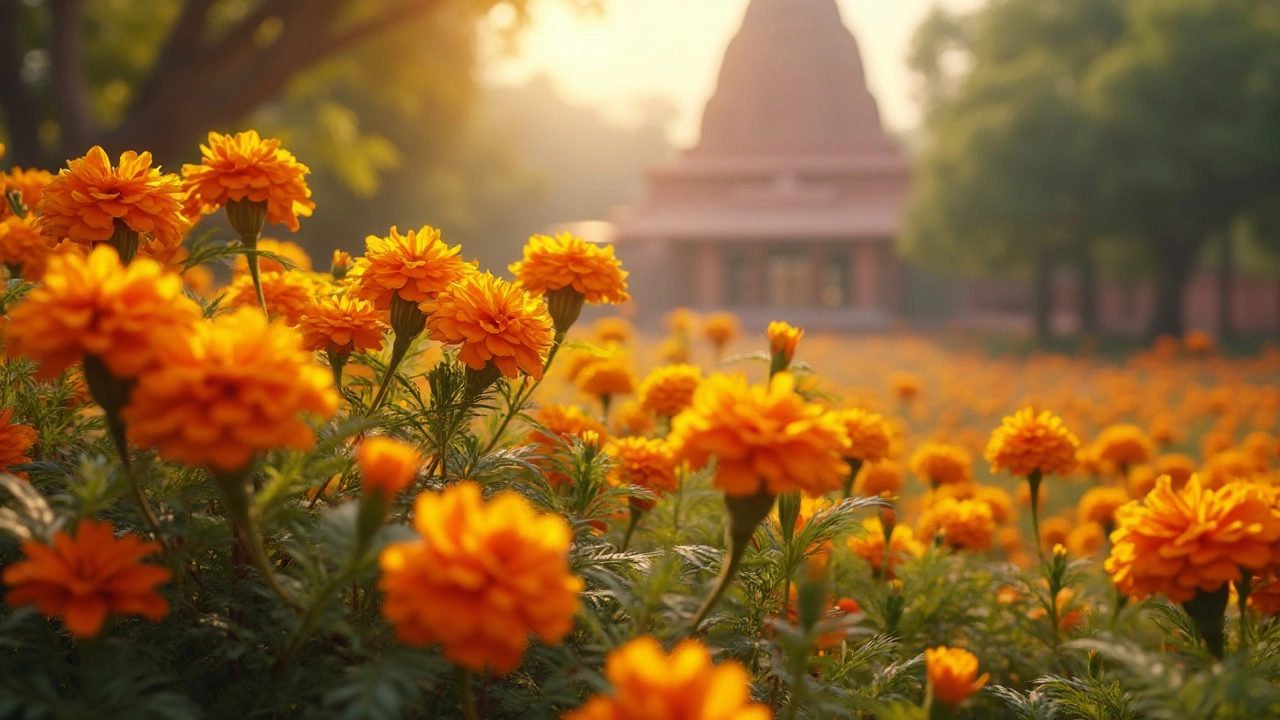
In India, the marigold is often considered the luckiest flower, cherished for its vibrant color and cultural significance. Known as the 'Herb of the Sun,' marigolds are believed to bring prosperity and happiness. This flower thrives in the Indian climate, making it a popular choice for both decorative and spiritual purposes in gardening. Dive into why the marigold enjoys this special status and how you can incorporate it into your garden.