Maintenance Tips for Healthy Gardens: Drip Systems, Soil, and Plant Care
When it comes to maintenance, the ongoing actions needed to keep plants alive and your garden functioning well. Also known as garden care, it’s not about perfection—it’s about consistency. Whether you’re growing tomatoes on a balcony or orchids on a rooftop, maintenance is what turns guesswork into results.
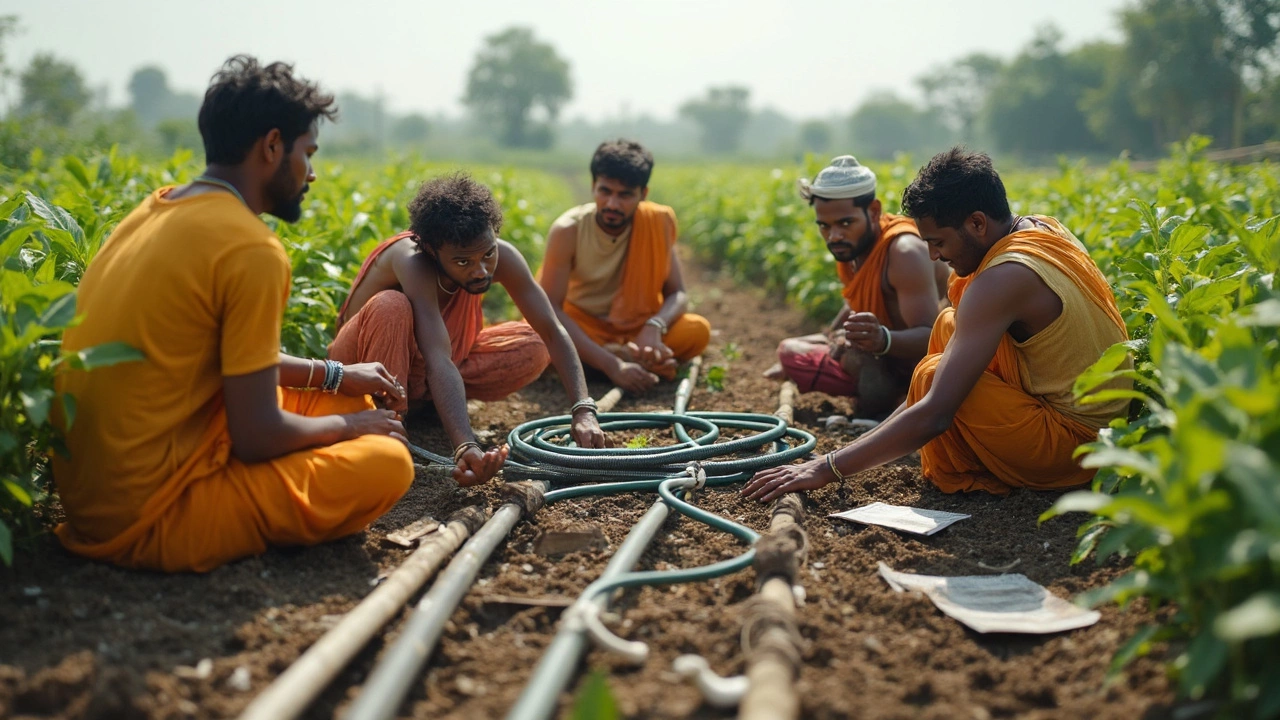
Drip irrigation, a targeted watering system that delivers water straight to plant roots. Also known as low-flow irrigation, it’s one of the most efficient tools for maintenance—but only if you don’t run it every day. Most people overwater because they think constant drip means healthy plants. It doesn’t. Too much water kills roots faster than drought. The right schedule depends on your soil, season, and plant type. Check the soil with your fingers—not a timer. If it’s damp 2 inches down, skip watering. This simple habit saves water, cuts bills, and keeps plants alive longer.
Soil health, the condition of your dirt that determines how well roots grow, water drains, and nutrients move. Also known as garden soil quality, it’s the silent foundation of every successful garden. Compacted, lifeless soil is the #1 reason plants fail—even with perfect watering. You don’t need fancy tools to fix it. Just loosen it with a fork, add compost, and cover it with mulch. That’s it. Healthy soil holds water without drowning roots, feeds plants naturally, and supports microbes that fight disease. If your soil feels like concrete, you’re not gardening—you’re fighting.
Plant care, the daily and seasonal actions that keep plants growing strong and free from pests. Also known as garden routine, it’s where most people give up. They buy a plant, water it once, then wonder why it’s dying. Good plant care isn’t complicated. It’s about reading the signs: yellow leaves? Could be overwatering. Sticky residue on leaves? Probably aphids. Mushy roots? Root rot has started. Neem oil is the most reliable natural insecticide for Indian gardens—it stops pests without killing bees or poisoning your soil. Use it early, before the problem explodes.
Some plants need more attention than others. The Vanda orchid? It demands perfect humidity and airflow. A bonsai? One wrong watering and it’s gone. But you don’t need to be an expert to handle them. You just need to learn the basics and stick to them. Maintenance isn’t about doing more—it’s about doing the right things, consistently. The posts below show you exactly how: how to fix hard soil without buying tools, how to set up a drip system that actually saves water, how to spot overwatering before it kills your bonsai, and why neem oil beats every other natural spray on the market. These aren’t theories. They’re real fixes from real gardens in India’s tough climates. You’ll find what works, what doesn’t, and how to avoid the mistakes most gardeners make.
Drip irrigation is popular for its water-saving benefits, but it's not perfect. This article covers three major downsides that often catch new users off guard. We’ll unpack the actual challenges you face with installation, upkeep, and cost surprises. Honest insights and simple tips help you decide if it’s the right fit. Real-world examples and practical advice included.
Continue reading...