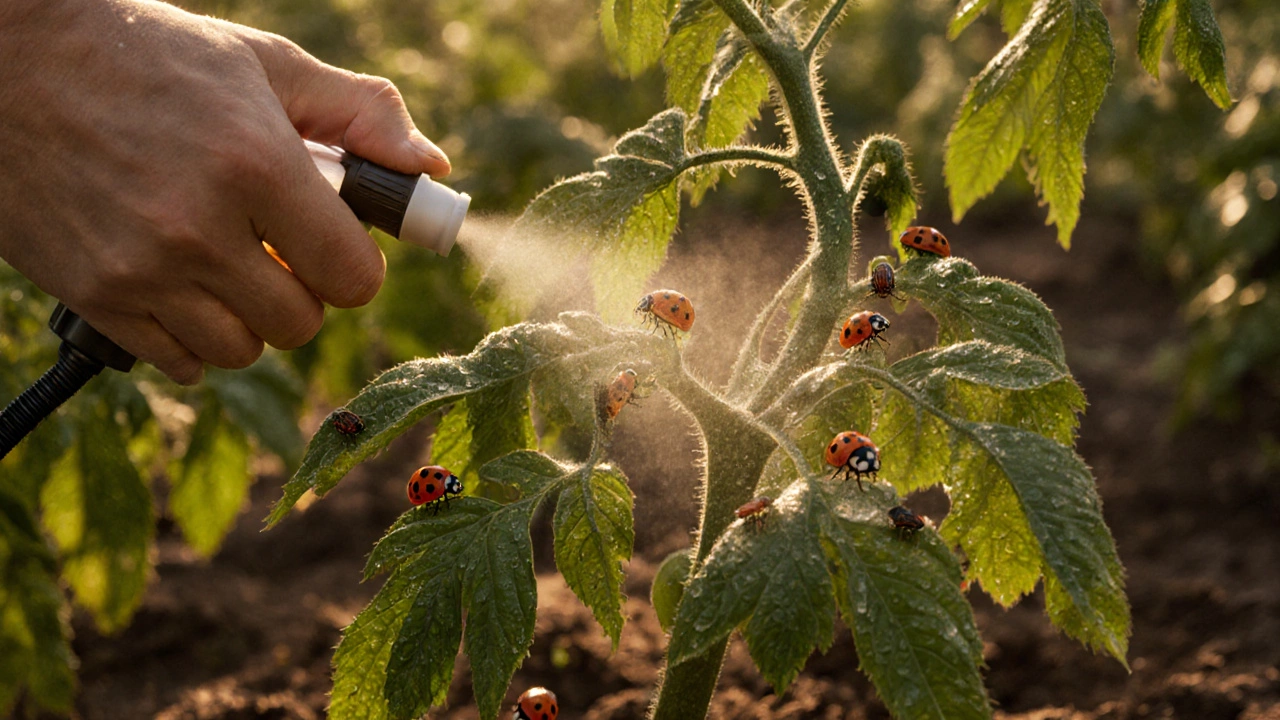
Natural Insecticide: Safe, Effective Ways to Protect Your Garden Without Chemicals
When you hear natural insecticide, a plant- or mineral-based solution used to kill or repel garden pests without synthetic chemicals. Also known as organic pest control, it’s not just a trend—it’s a practical shift in how home gardeners and small farms in India are protecting their plants. Unlike harsh chemicals that wipe out bugs and beneficial insects alike, natural insecticides target only the pests, leaving bees, ladybugs, and earthworms alone. This matters because your garden isn’t just a collection of plants—it’s a living system. Kill the wrong bugs, and you disrupt pollination, soil health, and long-term balance.
What makes a good natural insecticide, a plant- or mineral-based solution used to kill or repel garden pests without synthetic chemicals. Also known as organic pest control, it’s not just a trend—it’s a practical shift in how home gardeners and small farms in India are protecting their plants. isn’t just what’s in it, but how it’s used. Neem oil, for example, is one of the most trusted options in India. It comes from the seeds of the neem tree, a native species that’s been used for centuries in Ayurveda. When sprayed on leaves, it confuses insects, stops them from feeding, and blocks their reproduction cycle. Garlic spray works similarly—its strong smell repels aphids, whiteflies, and spider mites. Even soap water, made from a few drops of pure liquid soap and water, can break down the outer shells of soft-bodied pests. These aren’t magic potions. They’re simple, low-cost tools that work when applied consistently and at the right time.
What’s missing from most gardeners’ routines? Timing. Spraying at noon under full sun can burn leaves. Waiting until pests are already swarming means you’re too late. The best results come from early morning or late evening applications, combined with regular monitoring. You don’t need expensive gear—just a spray bottle, a notebook to track what works, and a willingness to observe. Many Indian gardeners now use biotech gardening, science-based methods that combine traditional knowledge with modern biological solutions to improve plant health and reduce chemical reliance to create custom blends using locally available ingredients. This isn’t about going back to the past. It’s about using smart, sustainable science to grow better food and flowers without poisoning the soil.
Some people think natural means weak. It doesn’t. It just means different. A single application of neem oil might not kill every aphid overnight, but over time, it reduces populations, prevents outbreaks, and builds plant resilience. That’s the real win. You’re not just fighting bugs—you’re building a garden that can handle them on its own. And that’s the goal of every smart gardener in India: less spraying, more thriving.
Below, you’ll find real guides from gardeners who’ve tested these methods in Indian climates—from balcony gardens in Mumbai to terrace farms in Karnataka. No fluff. No marketing. Just what works, what failed, and how to do it right.
Neem oil is the most powerful natural insecticide, proven to stop pests without harming bees, pets, or soil. Learn how it works, how to use it, and why other natural options fall short.