Organic Compost: The Secret to Healthier Soil and Stronger Plants
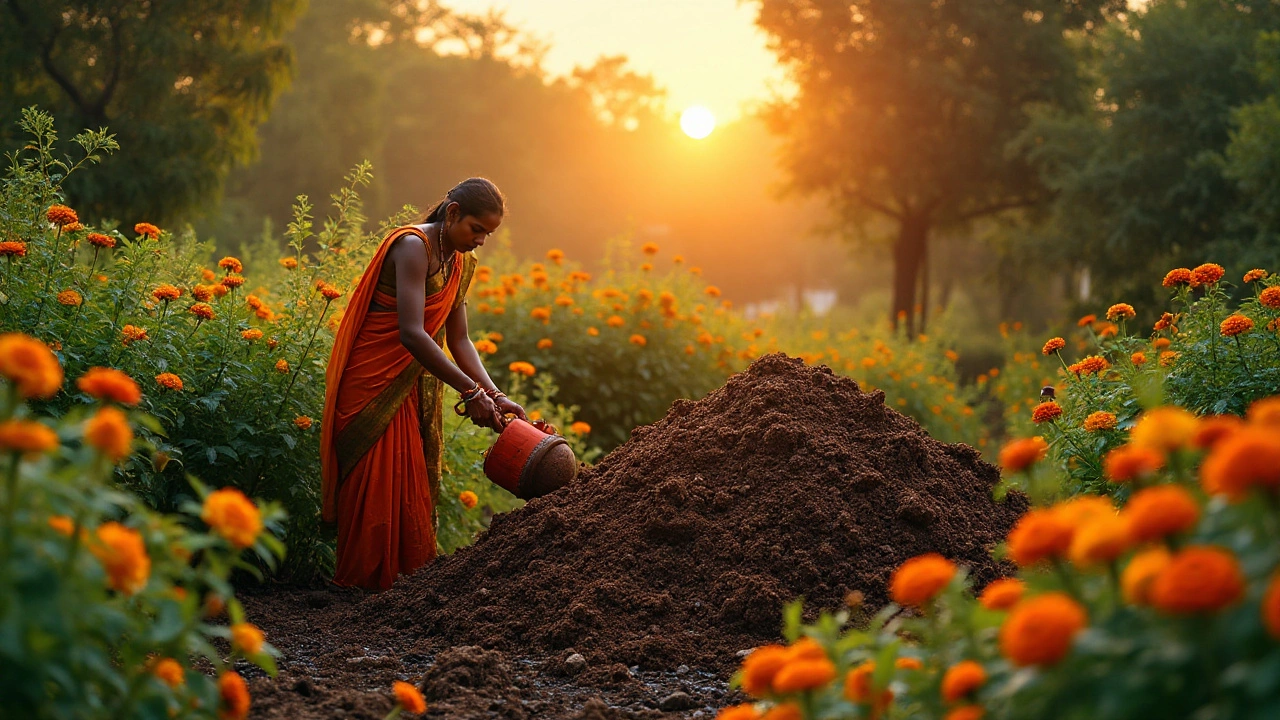
When you think of organic compost, a natural, nutrient-rich material made from decomposed plant and food waste. Also known as black gold, it’s the foundation of any thriving garden that doesn’t rely on synthetic chemicals. It’s not just dirt with leaves mixed in—it’s alive. Millions of tiny organisms break down kitchen scraps and yard waste into something your plants crave. And in India’s varied climates, from dry Rajasthan to humid Kerala, organic compost is the one thing that consistently improves soil, saves water, and cuts down on waste.
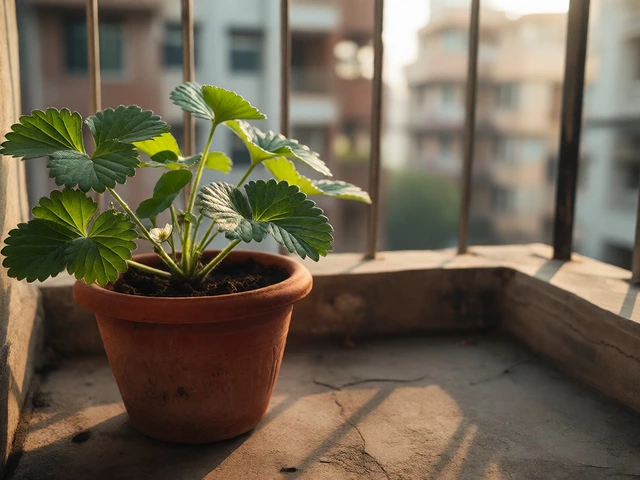
It works because it fixes what most gardeners ignore: soil life. Compacted, tired soil can’t hold water or nutrients. But add compost, and suddenly it breathes. Roots spread deeper. Water drains better. And plants stop needing constant feeding. You’ll see this in posts about revitalizing old garden soil, restoring depleted earth with organic matter and microbial activity, or how to fix compacted soil, using aeration and compost to loosen hard ground without tools. Compost isn’t a quick fix—it’s the long-term cure. That’s why it shows up in guides on homemade fertilizer, DIY nutrient mixes made from kitchen waste, and even in self-sustaining gardens, systems designed to feed themselves using compost and rainwater. You don’t need a big yard. Even a balcony gardener in Mumbai can make compost in a bucket.
What you’ll find below isn’t theory. It’s real results. People who turned rotten banana peels into thriving tomato plants. Those who saved their bonsai from root rot by improving soil with compost instead of fertilizer. Gardeners who cut their water use by half after adding compost to hold moisture. You’ll see how it connects to pest control, irrigation, and even how to grow durian or jasmine in Indian conditions. No fluff. No jargon. Just what works—and why.
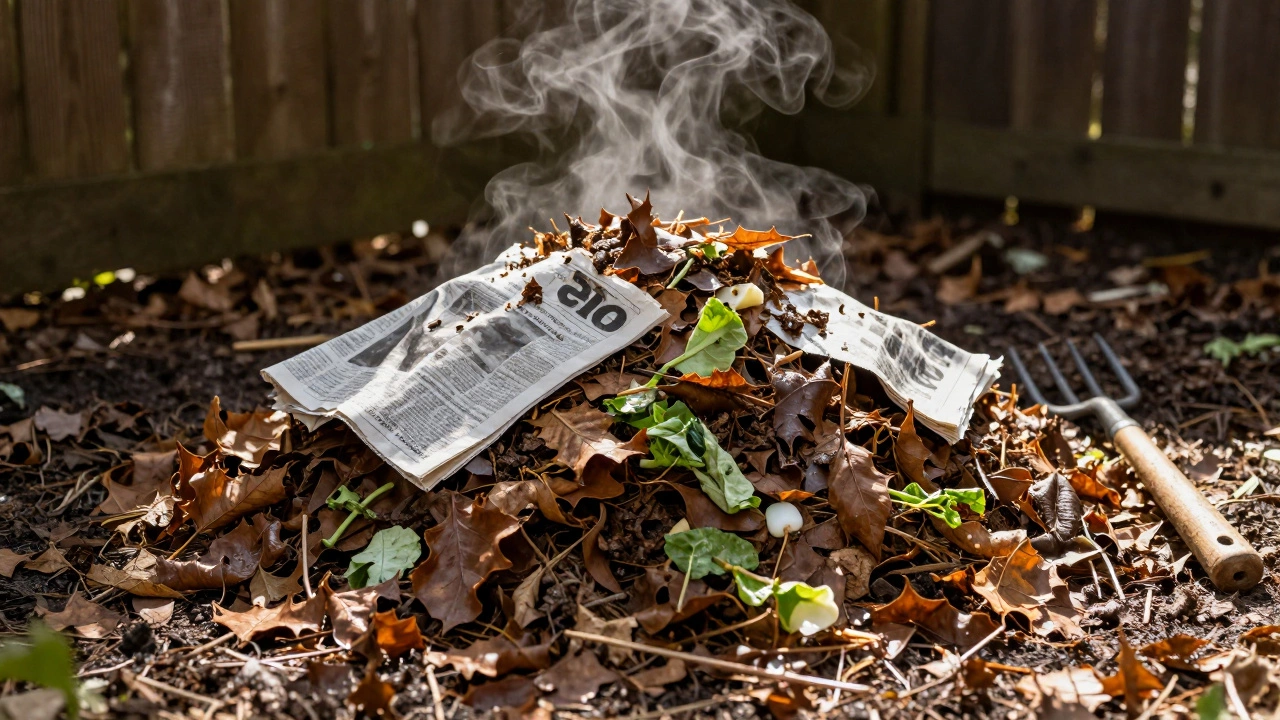
Learn how to make compost at home with simple steps for beginners. Turn kitchen waste into rich soil using greens, browns, and water. No fancy gear needed - just patience and consistency.
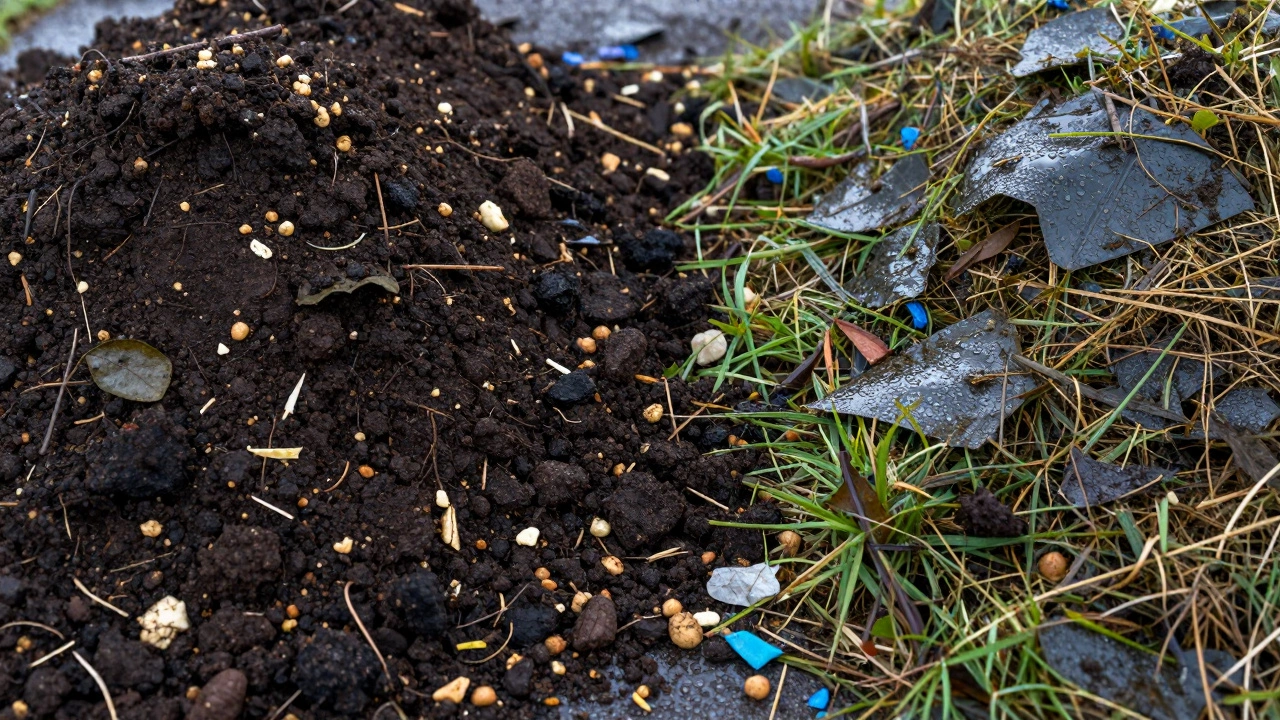
Compost and organic compost aren't the same. Learn how to tell them apart, why it matters for your garden, and how to choose the right one for growing safe, healthy food.
A compost activator is a tool for speeding up the breakdown of organic matter in compost piles. It helps create an ideal environment for microorganisms, enhancing the composting process. Knowing how to use these activators can lead to more productive and nutrient-rich soil. This article delves into the benefits and usage tips of compost activators for sustainable gardening.
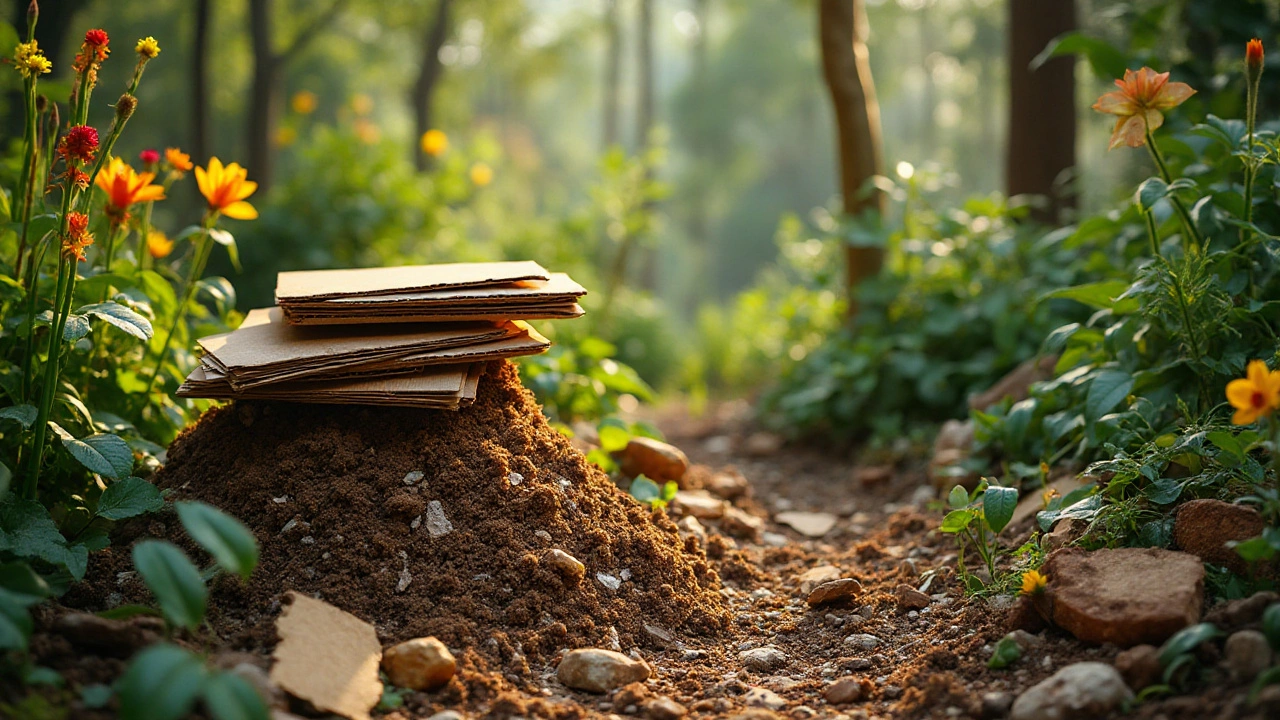
Cardboard, a common household material, can be a valuable addition to composting if used correctly. It adds carbon, an essential component for a balanced compost pile, and can help improve moisture retention. However, not all cardboard is suited for composting, as certain coatings or inks can hinder the process. With proper precautions and methods, cardboard can play a significant role in building rich, nutrient-dense compost for your garden.