Organic Fertilizer: What It Is, How It Works, and Why It Matters for Indian Gardens
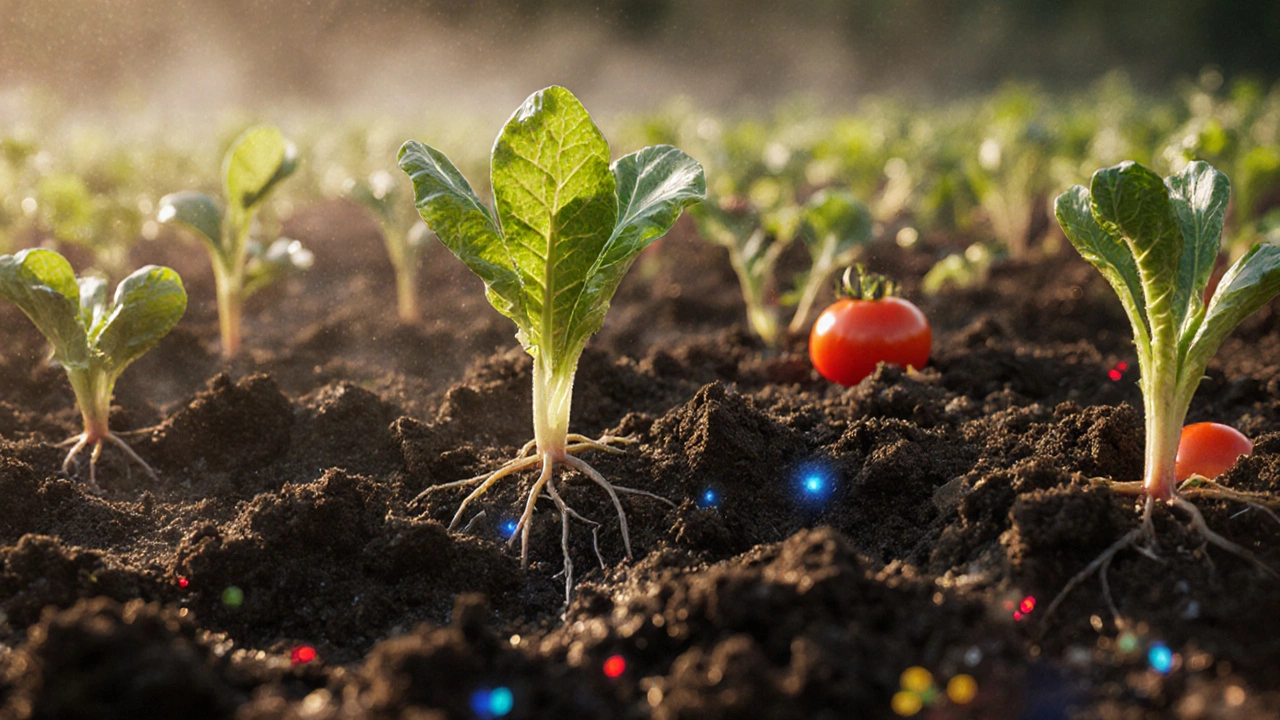
When you use organic fertilizer, a natural substance made from plant or animal matter that feeds soil microbes and plants slowly over time. Also known as natural fertilizer, it doesn’t burn roots, doesn’t leach into groundwater, and actually improves the soil year after year. Unlike synthetic chemicals that give plants a quick spike of nutrients and then vanish, organic fertilizer works like a slow-cooked meal for your garden—it feeds the dirt first, and the dirt feeds the plants.
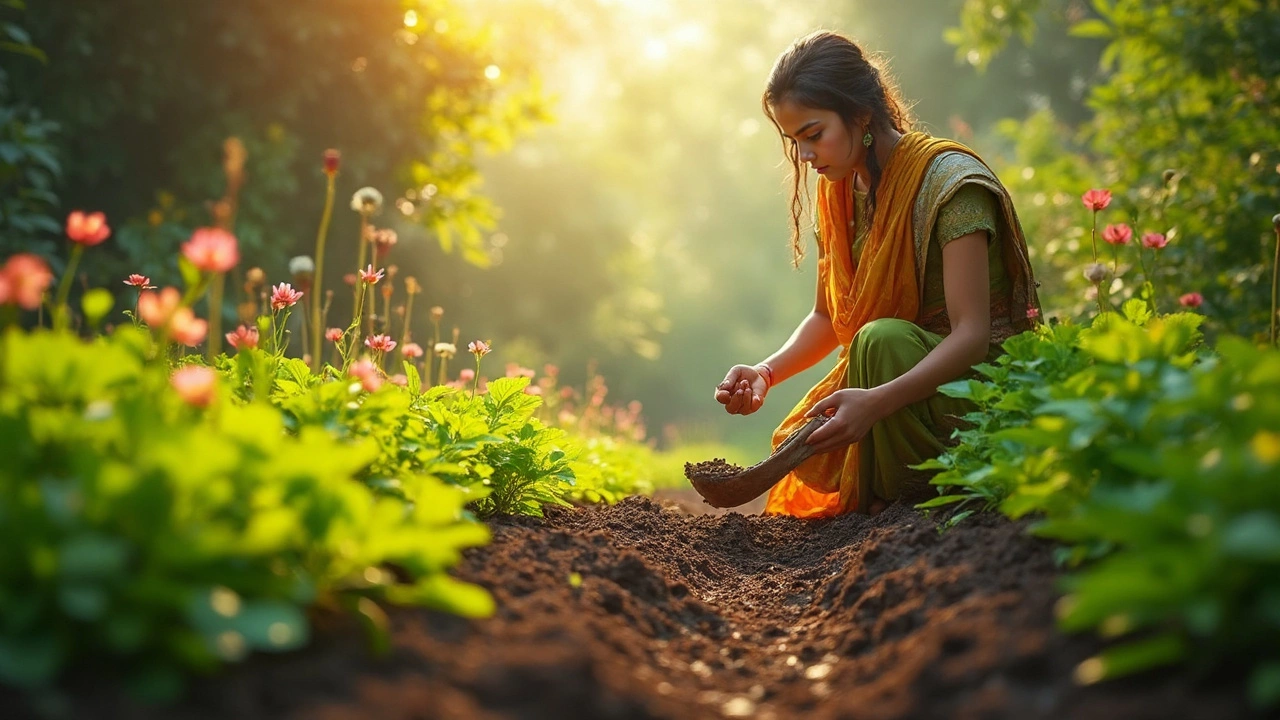
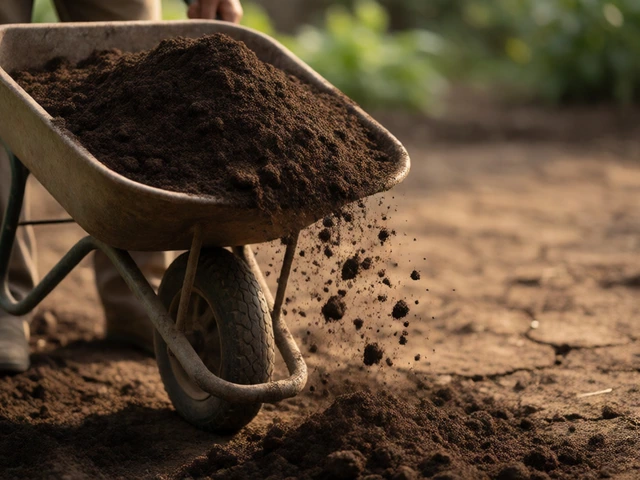
This matters most in India, where soil is often tired from overuse, monsoon erosion, or chemical overload. compost, decomposed kitchen scraps and garden waste turned into dark, crumbly nutrient-rich humus is the most common type you’ll find in home gardens. But it’s not the only one. cow manure, a widely available, well-balanced source of nitrogen and organic matter is used by farmers from Punjab to Kerala. Then there’s neem cake, a byproduct of neem oil extraction that kills soil pests while feeding plants—a local superfood for Indian gardens. These aren’t just alternatives to chemicals; they’re the foundation of real soil health.
Here’s the thing: healthy soil doesn’t just grow plants. It holds water better, resists disease, and reduces the need for constant watering or spraying. That’s why so many of the posts below focus on fixing compacted soil, reviving old garden beds, and building self-sustaining systems. You can’t fix poor soil with a quick shot of synthetic fertilizer. You need organic matter—layered, layered, layered. That’s what turns a patch of dirt into a living ecosystem.
You’ll find posts here that show you how to make your own compost from kitchen waste, how to use cow manure without the smell, and why neem cake is a secret weapon against root-knot nematodes. Some posts even tie organic fertilizer to water-saving methods like mulching and drip irrigation—because feeding the soil means you need less water, less fertilizer, and less work in the long run. This isn’t about being "green" for the sake of it. It’s about growing more with less, and keeping your garden alive through India’s hot summers and heavy rains without breaking the bank.
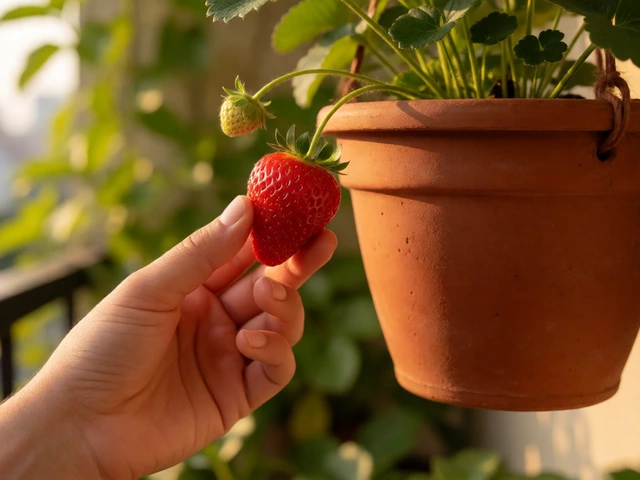
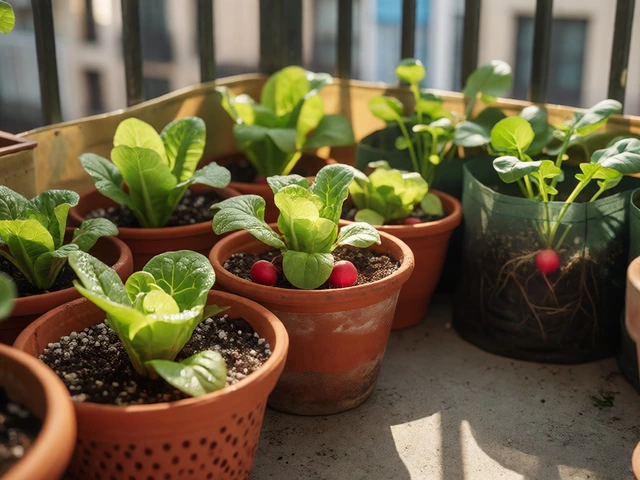
Whether you’re growing tomatoes on a balcony, vegetables in a backyard, or crops on a small farm, organic fertilizer is the first step to real results. No magic bullets. No quick fixes. Just dirt, time, and the right materials. Below, you’ll see real examples from real gardens—what worked, what didn’t, and how to do it right where you live.
Discover the top homemade fertilizer recipes for a thriving vegetable garden, with step‑by‑step guides, application tips, and FAQs to boost your crops organically.
Worm castings are the silent powerhouse of gardening, effectively boosting soil health in a natural and sustainable way. These tiny treasures increase nutrient availability, improve soil structure, and promote healthy plant growth. Unlike chemical fertilizers, they enrich the environment without harming it. Learn how to incorporate worm castings into your garden and see the difference they make in plant vitality. Discover practical tips on harvesting and applying them for maximum benefits.