Outdoor Living: Smart Ways to Enjoy Your Garden with Biotech Tools
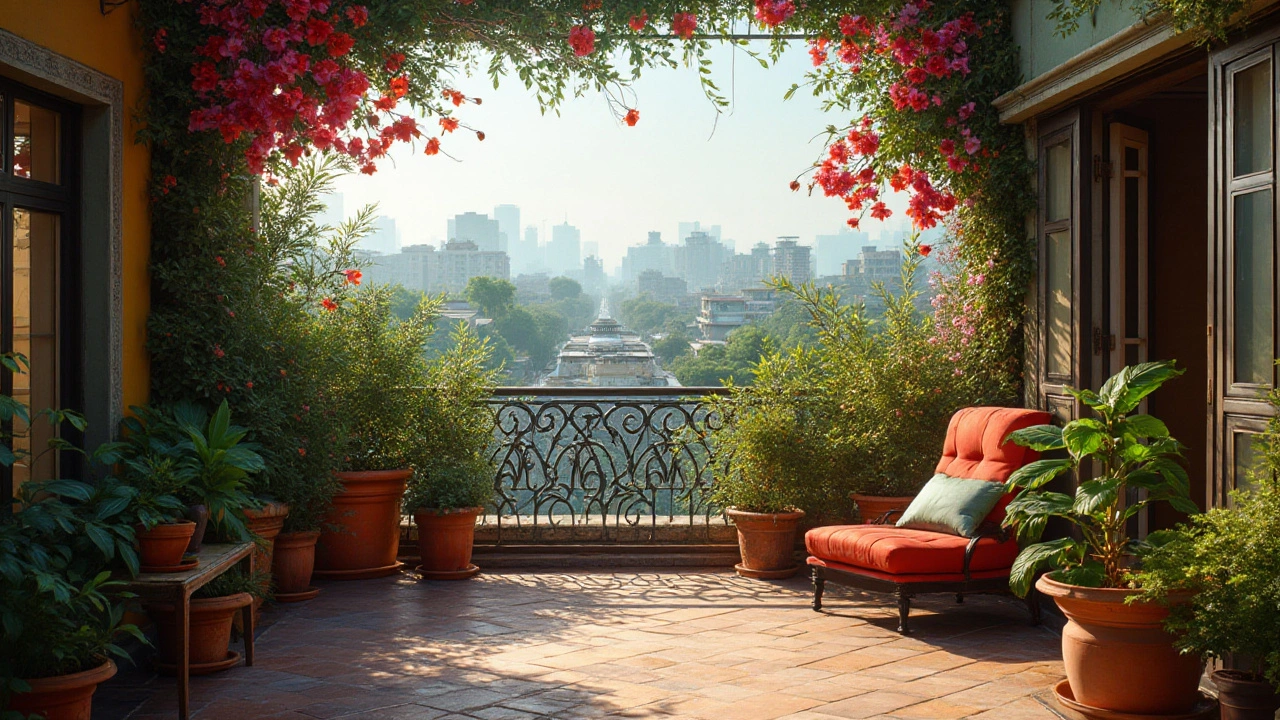
When you think of outdoor living, the practice of using outdoor spaces like patios, balconies, and terraces as functional extensions of your home. Also known as alfresco living, it’s not just about adding a chair and calling it a day—it’s about building spaces that feel alive, sustainable, and easy to care for. In India, where balconies turn into ovens and terraces get baked by monsoon rains, outdoor living means solving real problems: too much heat, dry soil, pests, and wasted water.
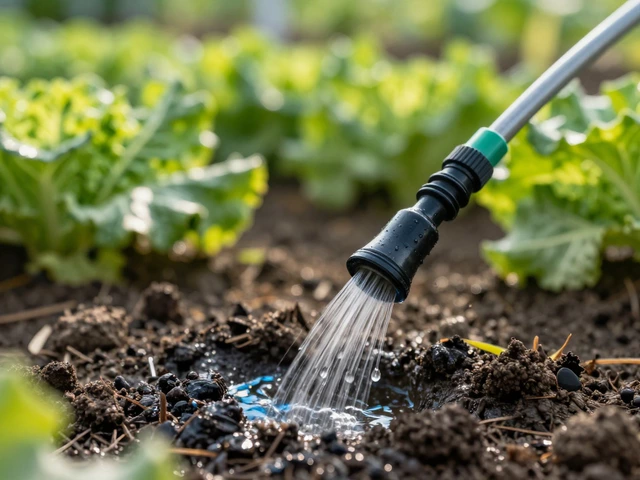
That’s where drip irrigation, a precise watering system that delivers water straight to plant roots, minimizing waste comes in. Running it every day? That’s a mistake. Most people overwater because they don’t know how to read their soil. The right schedule depends on weather, plant type, and season—not a timer. And if you’re looking for something even better than drip, soaker hoses, porous tubes that slowly leak water into the ground or rainwater harvesting, collecting and storing rain for later use can cut your water use even more. You don’t need fancy gear—just smart design.
Then there’s the soil. Hard, compacted dirt won’t support roots. Fix it with compost, mulch, and a little aeration—no expensive machines needed. And if your plants keep dying from bugs, neem oil, a natural insecticide made from tree seeds that stops pests without killing bees or polluting soil is the most reliable option out there. It’s not magic—it’s science, and it works in Indian heat.
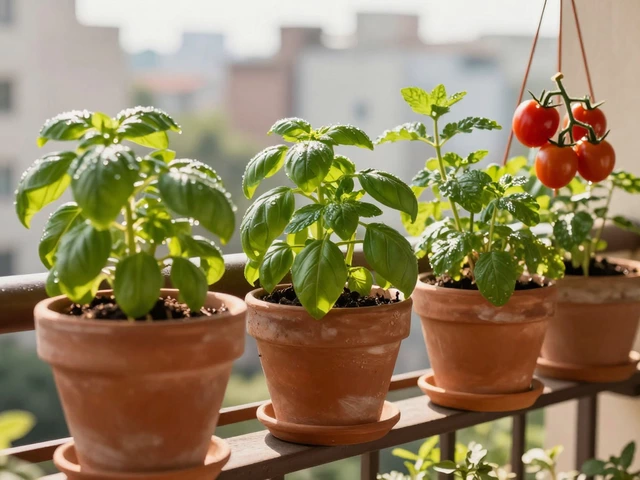
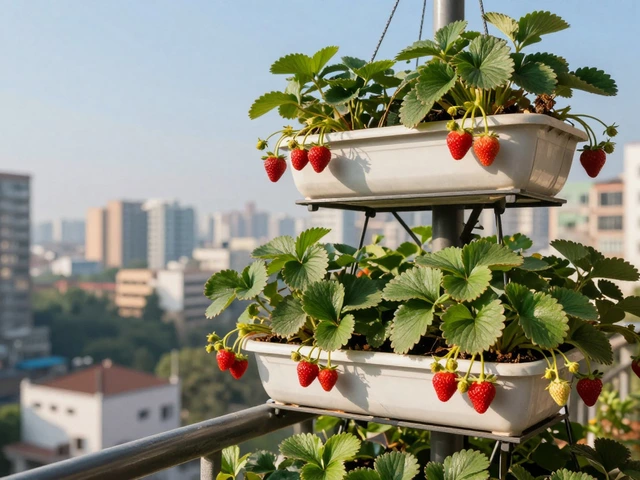
Outdoor living in India also means working with small spaces. A 10x10 patio? More than enough for herbs, tomatoes, or even a dwarf durian tree. You don’t need a yard—you need the right plants and the right setup. Balcony gardens thrive with vertical planters, shade sails, and smart containers. Even the toughest plant, like the Vanda orchid, can survive if you match its needs to your space.
And here’s the truth: most people give up on outdoor living because they think it’s high maintenance. But the best systems are the ones that take care of themselves. Self-sustaining gardens use compost to feed plants, rain barrels to water them, and mulch to keep soil cool. No daily watering. No chemical fertilizers. Just nature doing its job—with a little help from smart tools.
What you’ll find below isn’t a list of pretty ideas. It’s a collection of real fixes—from how to save a dying bonsai to why your terrace garden fails in summer. These are the posts that actually work for Indian homes. No fluff. No theory. Just what to do, when to do it, and why it matters.
When contemplating a serene outdoor nook, many consider using either a balcony or a patio. These spaces offer distinct advantages for gardening and leisure. A balcony, elevated and often compact, promises views and privacy, suitable for container gardens, while a patio, commonly at ground level, provides a versatile canvas for larger planting and social gatherings. Understanding these differences helps maximize each space's potential.
Continue reading...