Plants to Avoid: What Not to Grow at Home in India
When it comes to plants to avoid, those that harm your space, health, or energy according to local beliefs and practical gardening limits. Also known as unlucky plants for home, these aren’t just superstitions—they’re real problems waiting to happen. In India, where homes are tight and balconies are tiny, picking the wrong plant can mean wasted effort, ruined soil, or even health risks. You don’t need more greenery—you need smarter greenery.
Take cactus, a spiky plant often placed near doors for protection. Also known as spiny succulents, it’s believed to bring negative energy under Vastu, but the real issue? It’s a hazard in small spaces. Kids, pets, and even cleaning brushes get hurt. Then there’s tamarind, a tree with deep roots and heavy shade. Also known as Tamarindus indica, it’s fine in yards, but in balconies or near walls? It cracks foundations and blocks sunlight for months. White flowers like jasmine or champa? They smell lovely, but their heavy fragrance in closed rooms can trigger headaches or allergies, especially in monsoon humidity.
Some plants just don’t play nice with Indian conditions. Vanda orchids, one of the toughest plants to grow here. Also known as tropical epiphytes, they need perfect humidity, airflow, and zero mistakes. Most people kill them within weeks by treating them like houseplants. Then there’s corn, a crop that needs deep soil and wide space. Also known as maize, it’s a nightmare on balconies—tall, thirsty, and useless in pots. And don’t even think about planting large trees like banyan or peepal in containers. Their roots will break your terrace, drain your water bill, and attract pests you didn’t know existed.
It’s not about banning greenery. It’s about choosing plants that match your space, climate, and lifestyle. The best gardens in India aren’t the ones with the most plants—they’re the ones with the right ones. Below, you’ll find real stories from Indian gardeners who learned the hard way. Some lost plants. Others lost peace of mind. All of them found better choices. You don’t need to repeat their mistakes.
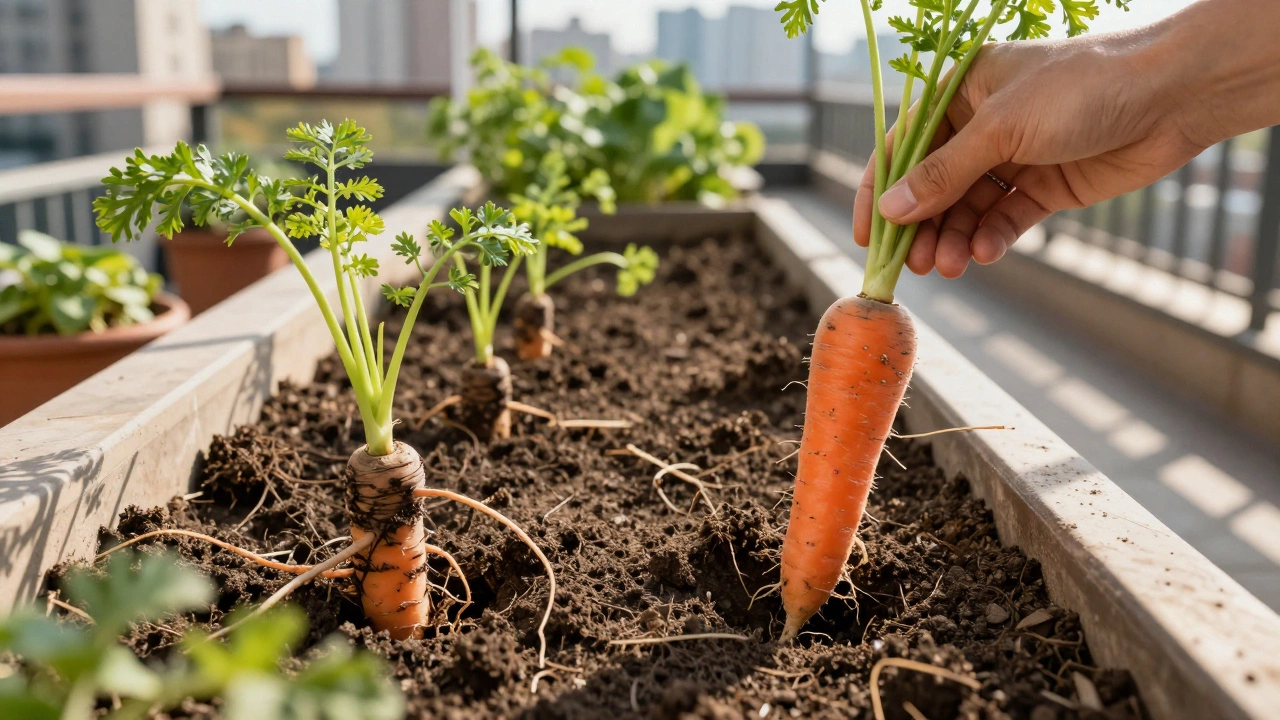
Learn which plants to avoid in raised garden beds on balconies-deep roots, tall crops, and aggressive spreaders that fail in shallow, windy conditions. Grow smarter, not harder.
Continue reading...