Predict Rain for Gardening: How to Anticipate Weather for Better Plant Care
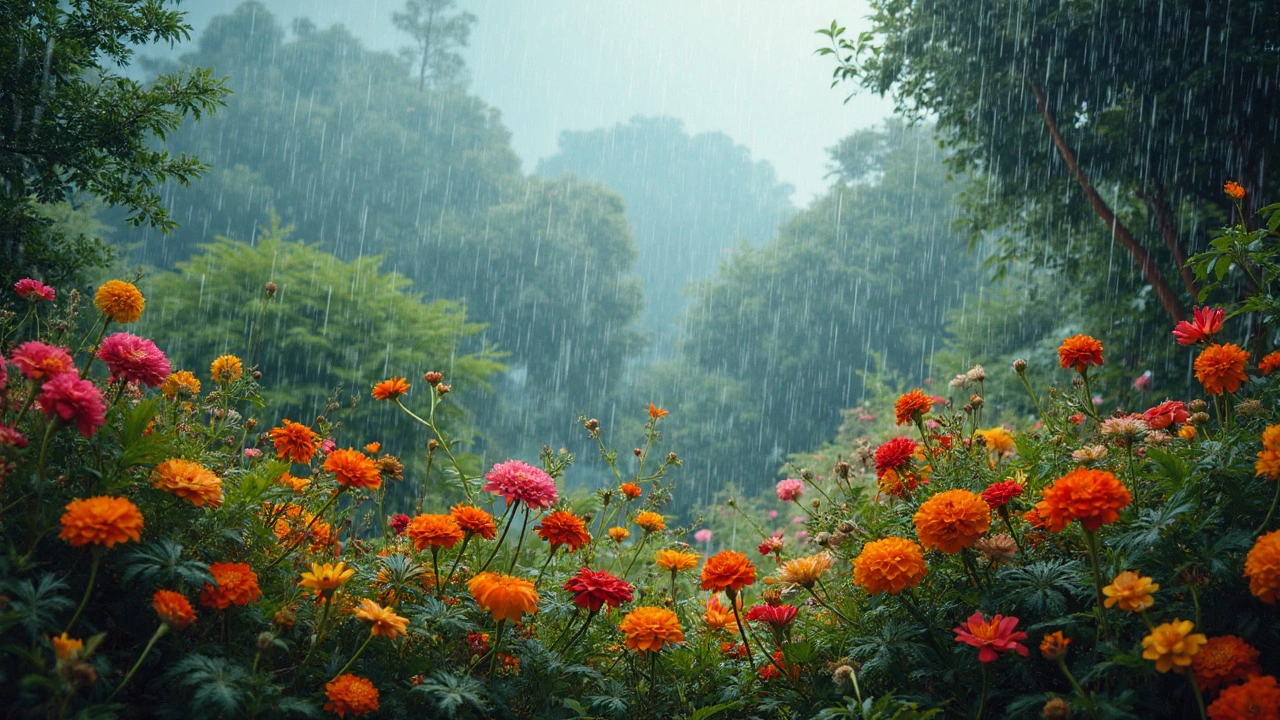
When you predict rain, the act of using natural signs, local patterns, or simple tools to anticipate when rain will fall. Also known as weather forecasting for home gardens, it’s not about science labs or apps alone—it’s about reading the sky, the soil, and your plants’ reactions. In India, where monsoons can arrive late or dump too much at once, guessing wrong can kill your plants. Overwatering a bonsai? That’s often not because you’re careless—it’s because you watered on a day it was going to rain anyway. Predicting rain helps you stop guessing and start timing.
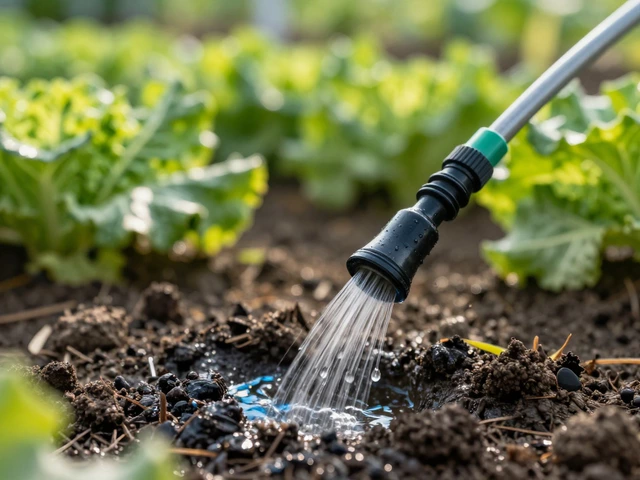
It’s not magic. It’s observation. If the air feels heavy and your jasmine leaves curl inward, that’s not just humidity—it’s nature’s warning. The monsoon flower, Jasminum grandiflorum, known locally as Mogra blooms when the first drops hit, and gardeners in southern India have used this for generations. You don’t need a weather station. Look at how your soil behaves. If it’s still wet two days after the last rain, you don’t need to water. If your drip irrigation runs daily and your soil stays soggy, you’re not being efficient—you’re being blind. rainwater harvesting, collecting and storing rain for later use isn’t just eco-friendly—it’s a smart way to turn unpredictable rain into a reliable resource. And when you combine that with mulching, you cut down on evaporation and give your plants a buffer between downpours.
People think gardening is about planting and watering. But the real skill is knowing when not to water. The toughest plant in India, the Vanda orchid, dies not from neglect—but from too much moisture during wet spells. Your terrace garden, your balcony veggies, your compost pile—they all react to rain before you even see it. By learning to predict rain, you stop fighting the weather and start working with it. You’ll waste less water, avoid root rot, and grow stronger plants without expensive gadgets. Below, you’ll find real stories from Indian gardeners who learned this the hard way—and how they fixed it. Some used simple tools. Others just started watching closer. All of them saved their gardens by learning one thing: rain isn’t random. It’s readable.
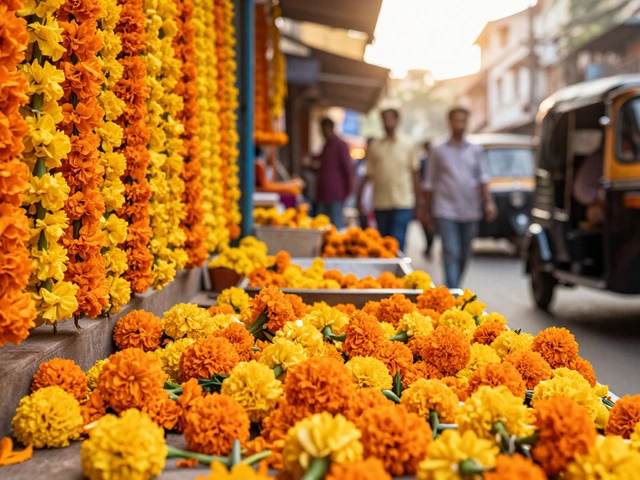
Did you know certain flowers can act as natural weather predictors? In India, where diverse flora thrives, some flowers are believed to indicate rain through subtle changes. This article explores how these fascinating blooms give hints about upcoming showers. Discover which flowers to watch and how they can enhance your gardening experience.