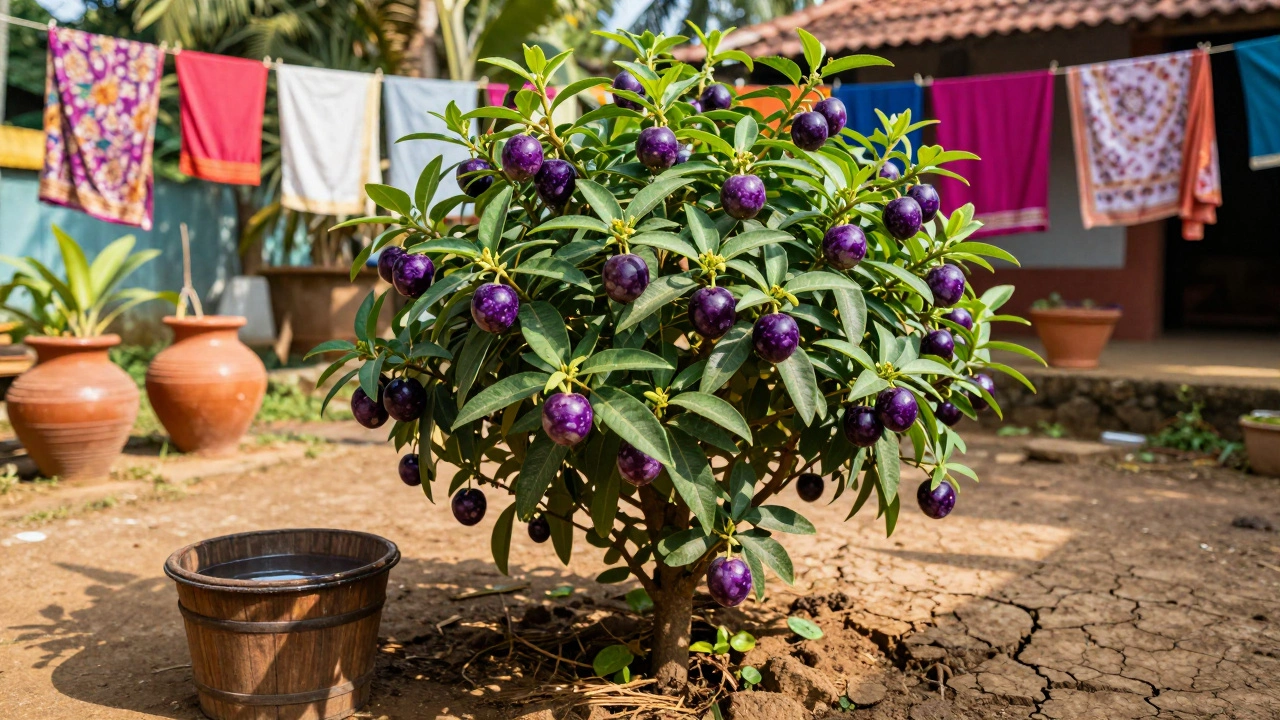
Queen of India Plant: What It Is, Why It’s Special, and What to Grow Instead
When people talk about the queen of India plant, a term commonly used for the Indian laburnum or Cassia fistula, known for its bright yellow cascading flowers and deep cultural roots in India. Also known as golden shower tree, it isn’t officially the national flower—but in many homes and temples, it’s treated like one. This tree blooms in late spring, painting streets and courtyards in gold, and its flowers are used in festivals, Ayurvedic remedies, and even traditional weddings. It’s not just decoration. In Hindu culture, the flowers are offered to deities, especially during festivals like Navratri and Diwali. The tree grows wild in many parts of India, from Tamil Nadu to Uttar Pradesh, and thrives in hot, dry conditions where other plants struggle.
But here’s the thing: the queen of India plant isn’t for everyone. It needs space—lots of it. A mature tree can spread over 30 feet wide and drop heavy pods that can crack pavement or damage rooftops. If you’re gardening on a balcony, in a small yard, or in an apartment complex with weight limits, this tree won’t work. That’s why so many Indian gardeners end up looking for alternatives. Plants like bougainvillea, a vibrant, low-maintenance climber that blooms year-round in most Indian climates and jasmine, a fragrant, compact vine deeply tied to Indian rituals and daily life give you that same burst of color and cultural meaning without the chaos. Even lotus, the actual national flower of India, grown in ponds and large containers, offers spiritual symbolism and stunning beauty in a form that fits smaller spaces.
What you’ll find in the posts below isn’t just a list of plants. It’s a real-world guide to what works in Indian gardens today. You’ll see why some plants are avoided indoors, what grows reliably all year, and how to fix soil so your plants don’t just survive—they thrive. Whether you’re trying to replace the queen of India plant with something more practical or just want to understand why certain flowers are sacred while others are banned from homes, the answers are here. No fluff. No myths. Just what gardeners in India are actually doing right now to keep their spaces green, healthy, and meaningful.
The queen of India plant is a small, hardy vegetable native to India, known for its resilience and rich flavor in traditional dishes. Easy to grow in pots or gardens, it's a forgotten gem of Indian kitchen gardening.
Continue reading...