Queen of India Vegetable: What It Is and Why Gardeners Love It
When people talk about the queen of India vegetable, a traditional, nutrient-dense crop deeply rooted in Indian kitchens and farms. Also known as bitter gourd, it's not just a vegetable—it's a symbol of resilience, flavor, and ancient wisdom in Indian home gardens. This isn’t a title given by marketers. It’s earned by generations of farmers who grow it in tiny courtyards, on balconies, and in backyard plots across Tamil Nadu, Bihar, and Uttar Pradesh. You’ll find it in curries, stir-fries, pickles, and even juices—because it doesn’t just taste different, it works differently in your body.
What makes this vegetable stand out isn’t just its bitter punch. It’s how little it needs. While other crops demand perfect soil, constant watering, and expensive fertilizers, the bitter gourd, a climbing vine that thrives in India’s hot, humid climate. Also known as karela, it’s a low-input crop that rewards even careless gardeners. It grows fast, climbs fences, and fights off pests naturally—no chemicals needed. That’s why it shows up in so many of the posts you’ll find here: from guides on native vegetables India, crops that evolved with India’s soil and seasons. Also known as traditional Indian vegetables, they’re the backbone of sustainable home gardening, to tips on beating balcony gardening challenges. It’s one of the few vegetables that actually gets better in heat, unlike broccoli or corn, which just give up.
And it’s not alone. The title "queen" often includes its cousins: snake gourd, a long, slender vine vegetable used in curries and soups across South India. Also known as padwal, it’s drought-tolerant and easy to train on trellises, and drumstick, the edible pods of the moringa tree, packed with vitamins and grown in nearly every Indian backyard. Also known as sahjan, it’s a natural fertilizer and medicine in one plant. These aren’t exotic imports. They’re the original superfoods—grown before organic labels existed, eaten before nutrition science named them. That’s why they show up in posts about composting, soil health, and natural pest control. You don’t need fancy tech to grow them. You just need a patch of sun and a little patience.
Some gardeners avoid them because of the bitterness. But that’s the point. Bitter foods help regulate blood sugar, reduce inflammation, and boost digestion—exactly why Ayurveda has recommended them for centuries. Modern science backs it up. And with more people in cities trying to grow their own food, these crops are making a comeback—not as niche oddities, but as practical, powerful solutions for small-space, low-water, high-reward gardening. The queen of India vegetable doesn’t need a throne. It just needs a corner of your balcony, a trellis, and a little water. What you get back? More than a meal. You get connection—to the land, to tradition, and to food that actually works for you.
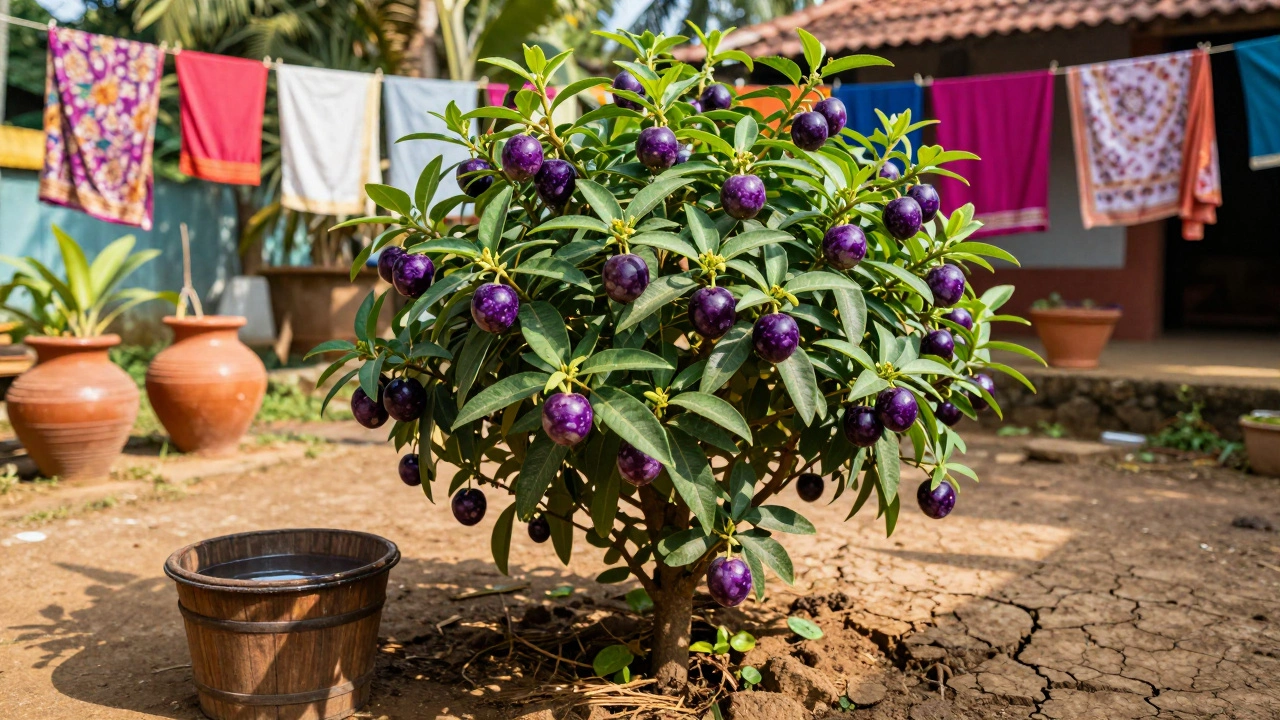
The queen of India plant is a small, hardy vegetable native to India, known for its resilience and rich flavor in traditional dishes. Easy to grow in pots or gardens, it's a forgotten gem of Indian kitchen gardening.
Continue reading...