Raised Beds: Best Ways to Build and Use Them for Healthier Gardens
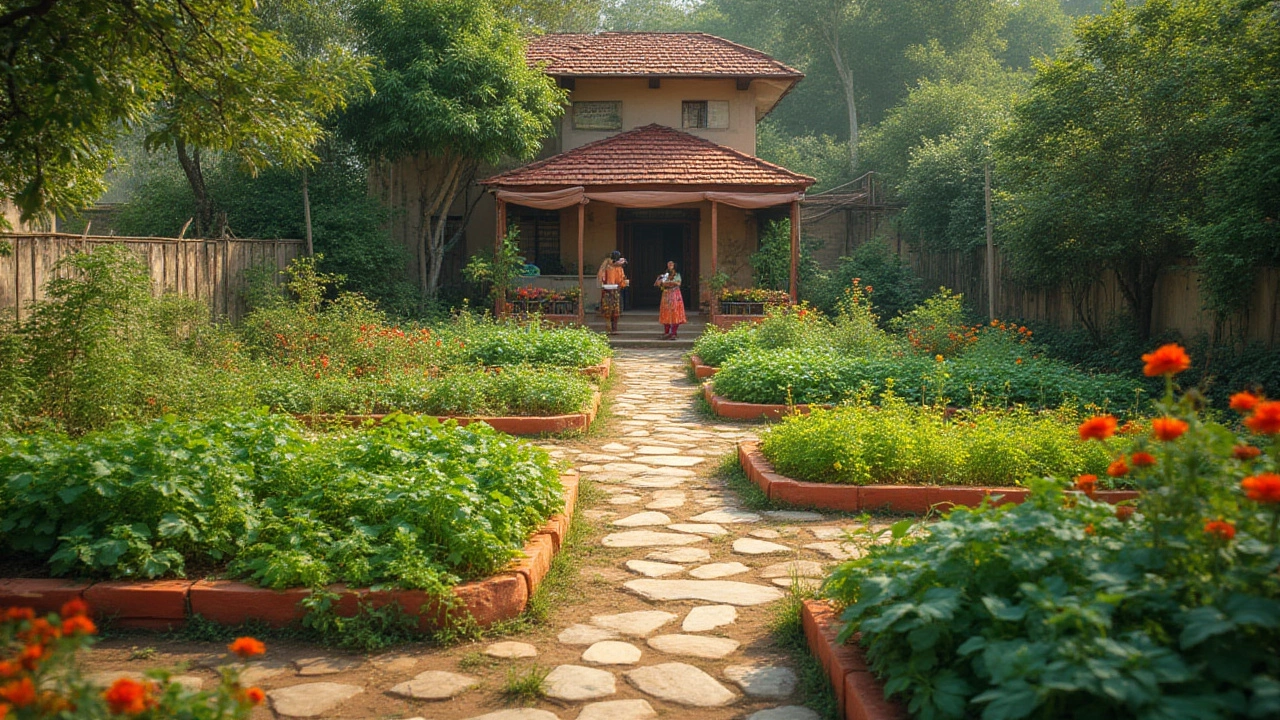
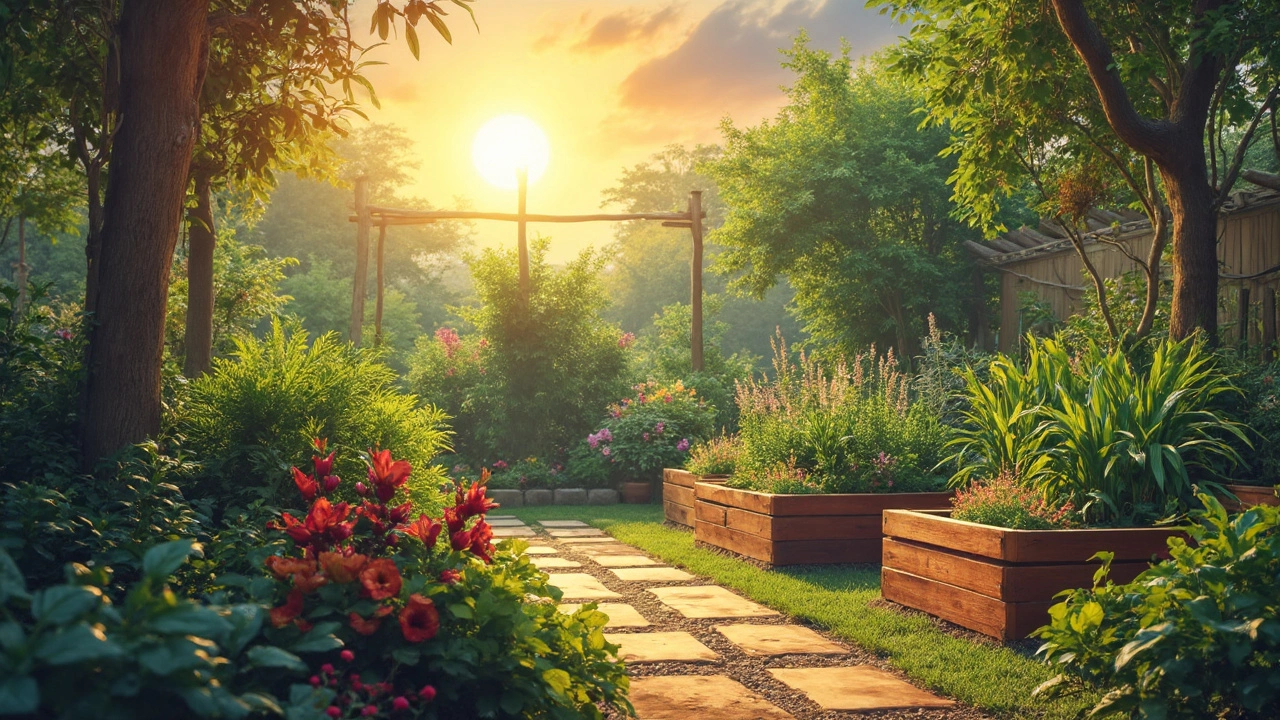
When you build a raised bed, a garden bed built above ground level using frames or walls to hold soil. Also known as elevated garden beds, it gives you control over soil quality, reduces bending, and helps plants thrive even in poor ground conditions. Unlike digging into compacted or rocky soil, raised beds let you start fresh with the right mix—compost, peat, and perlite—so roots spread easily and water drains just right.
Many Indian gardeners use raised beds, a gardening method that lifts planting areas off the ground because they work well on balconies, terraces, and small patios. You don’t need a big yard. A 10x10 space can hold multiple raised beds, and you can grow veggies like tomatoes, spinach, and chillies without battling weeds or muddy feet. These beds also solve the problem of compacted soil, dense, hard earth that blocks water and roots, which is common in urban areas and old garden plots. By filling your bed with loose, airy soil, you skip the backbreaking work of aerating the ground below.
They’re not just for veggies. Raised beds help with container gardening, growing plants in pots or enclosed spaces by giving you more room to plant deeply-rooted crops. You can also pair them with drip irrigation, a water-efficient system that delivers moisture directly to plant roots to save water and cut down on daily watering. Since the soil warms up faster in spring, you can start planting earlier than in regular ground gardens. And because you control the soil, you avoid contamination from polluted city dirt or heavy metals.
People who’ve tried raised beds say they spend less time weeding, less time fighting pests, and more time harvesting. You can build them from wood, bricks, concrete blocks, or even recycled plastic. No fancy tools needed. Just stack, fill, and plant. Whether you’re on a terrace in Mumbai or a balcony in Delhi, raised beds turn unused space into productive green zones.
Below, you’ll find real advice from gardeners who’ve tested these systems in Indian conditions. From how to layer soil for maximum nutrients, to which plants grow best together, to how to set up irrigation without wasting water—every post here is about making raised beds work for you, not the other way around.
Raised beds offer many advantages, but they're not perfect. Two major downsides include the initial setup cost and potential for soil overheating. Setting up raised beds can be expensive due to materials such as wood or metal. Additionally, the elevated soil can warm up too much in hot weather, which might stress your plants. Being aware of these drawbacks helps in planning and ensures better outcomes for your garden.