Soaker Hoses: How They Work and Why They’re Perfect for Indian Gardens
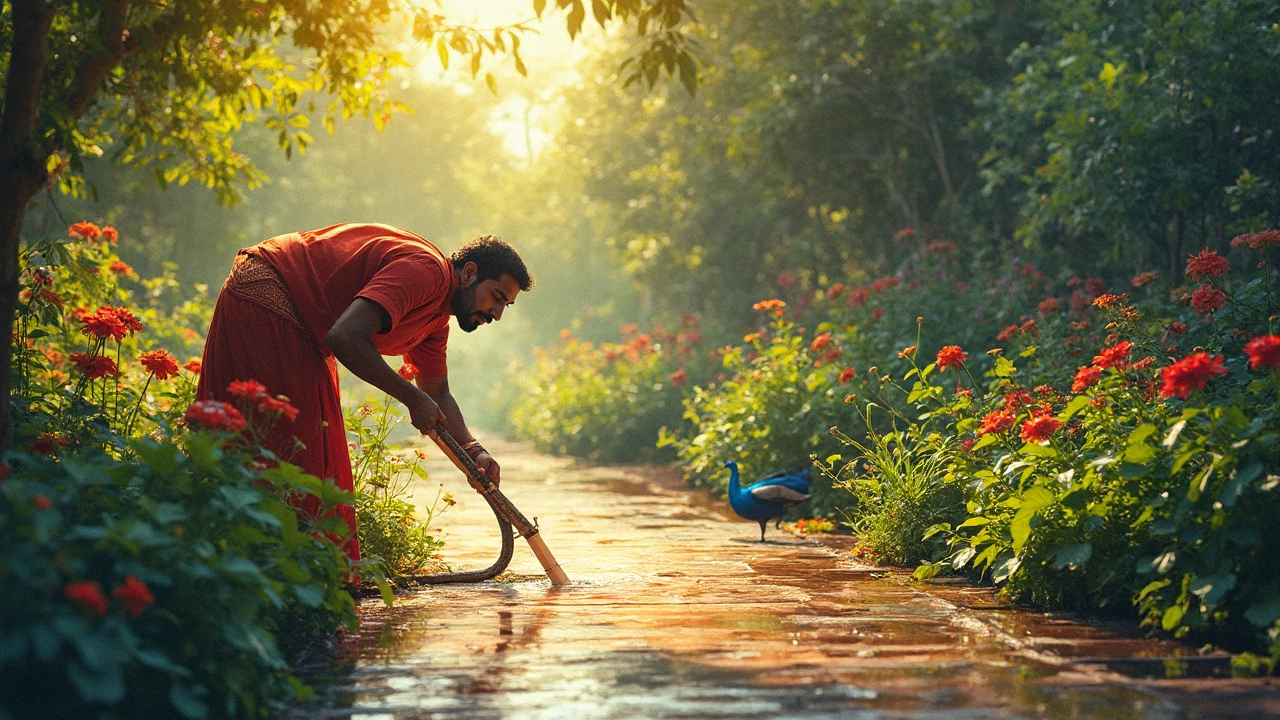
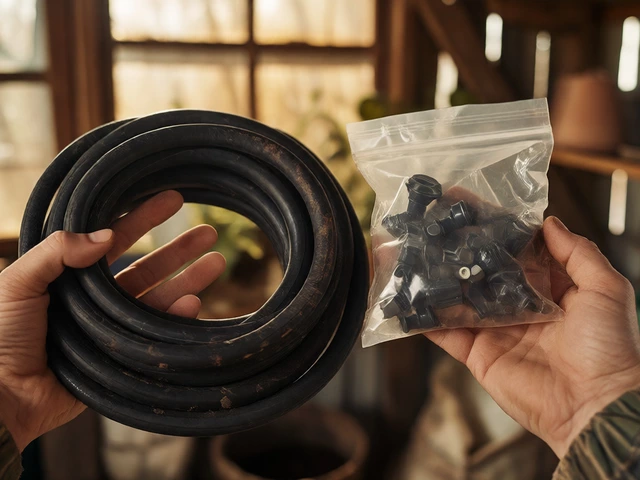
When you need to water your garden without wasting water or time, soaker hoses, a porous irrigation tool that seeps water slowly along its length. Also known as weeping hoses, they’re one of the simplest and most efficient ways to keep plants healthy in India’s hot, dry spells. Unlike sprinklers that spray water into the air—where much of it evaporates before reaching the soil—soaker hoses deliver moisture straight to the roots where plants need it most. This isn’t just about saving water; it’s about growing stronger plants with less effort.
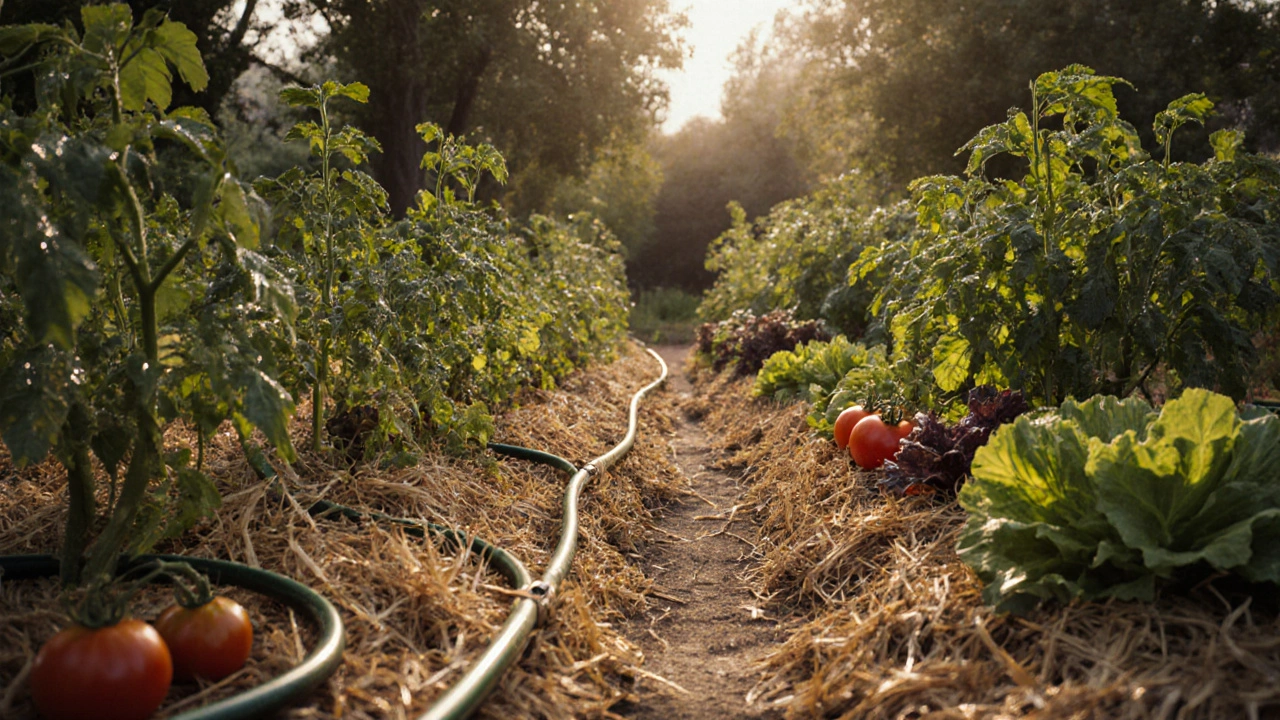
Soaker hoses work best with drip irrigation, a system that applies water slowly and directly to the soil. They’re not the same as emitters or drippers, which release water at specific points. Instead, soaker hoses provide even, continuous moisture along their entire length—ideal for rows of vegetables, flower beds, or shrubs. In Indian homes and terrace gardens, where water is often limited and electricity for pumps isn’t always reliable, this passive, low-pressure system makes sense. You don’t need high water pressure. Just connect it to a regular garden tap, and let gravity do the work.
They’re especially useful for compacted soil, dense, hard ground that repels water and suffocates roots. When soil is packed tight, water runs off instead of soaking in. Soaker hoses fix that by releasing water slowly, letting it penetrate deeply over hours. That’s why gardeners in Delhi, Bangalore, and Pune who struggle with clay-heavy soil swear by them. Pair them with mulch, and you lock in moisture even longer—cutting watering needs by half.
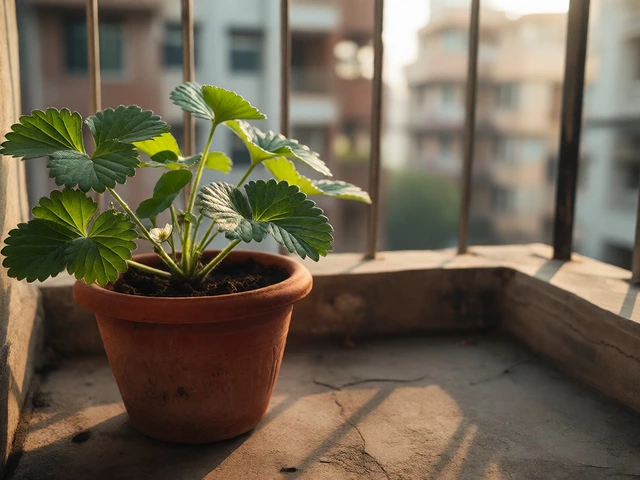
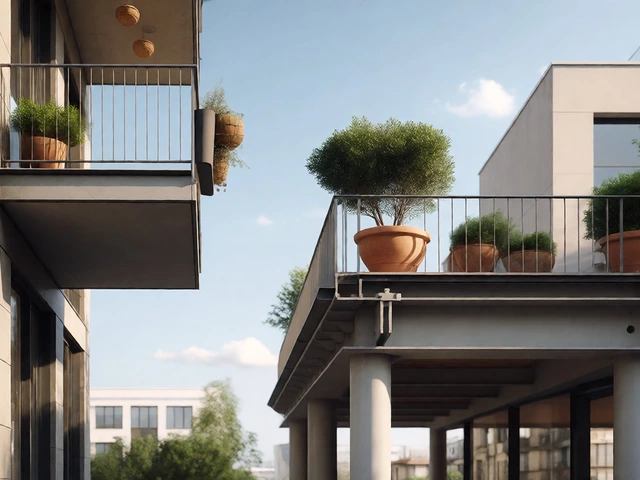
They’re not magic, though. If you leave them on too long, you can still overwater. And if you use them on sloped ground, water pools at the bottom. But fix those two things—time your runs and level your layout—and you’ve got a system that works year-round. They’re perfect for balcony vegetable gardening, growing food in small urban spaces, where every drop counts. You can tuck them under pots, along window boxes, or behind trellises without seeing them. No more dragging hoses around or forgetting to water while you’re at work.
And here’s the truth: most people who buy soaker hoses don’t know how to use them right. They treat them like sprinklers, turning them on for 30 minutes every day. That’s wrong. You need to check the soil. Stick your finger in. If it’s damp two inches down, wait. If it’s dry, run the hose for 45 minutes to an hour. Do that once or twice a week, depending on the season. In monsoon, you might not need them at all. In summer, they’re your best friend.
Soaker hoses don’t need fancy tech. They don’t need apps or timers (though you can add them). They’re low-tech, low-cost, and low-maintenance. That’s why they show up again and again in guides about self-sustaining gardens, gardens that need minimal input to thrive. They fit right into the same mindset as composting, rainwater harvesting, and organic soil care. It’s not about doing more—it’s about doing it smarter.
Below, you’ll find real-world advice from gardeners who’ve tested these hoses in India’s toughest conditions—how to lay them, how long to run them, which plants respond best, and what to avoid. No fluff. No theory. Just what works.
Drip irrigation saves water, but better options exist. Soaker hoses, mulching, rainwater harvesting, and subsurface irrigation cut usage even more - with less cost and maintenance.
Soaker hoses can seem like a dream for easy garden watering, but they’re not without their setbacks. From uneven water distribution to potential clogging, these issues can frustrate even the most patient gardener. Let's explore their drawbacks and how they compare with other irrigation methods. It can give you a better understanding of whether they’re the right choice for your garden.