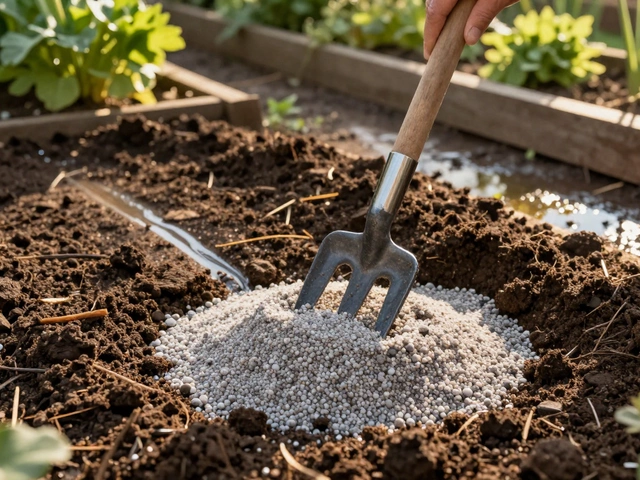
Soil Loosening: Why It Matters and How to Do It Right
When you think about healthy plants, you probably picture bright leaves or big flowers—but the real magic happens underground. Soil loosening, the process of breaking up compacted earth to let air, water, and roots move freely. Also known as soil aeration, it’s the quiet hero behind every thriving garden. In India, where clay-heavy soils and frequent foot traffic turn garden beds into brick-like slabs, skipping this step is like trying to grow a tree in a sealed jar. Without loose soil, roots suffocate, water pools on top instead of soaking in, and even the best fertilizer just sits there useless.
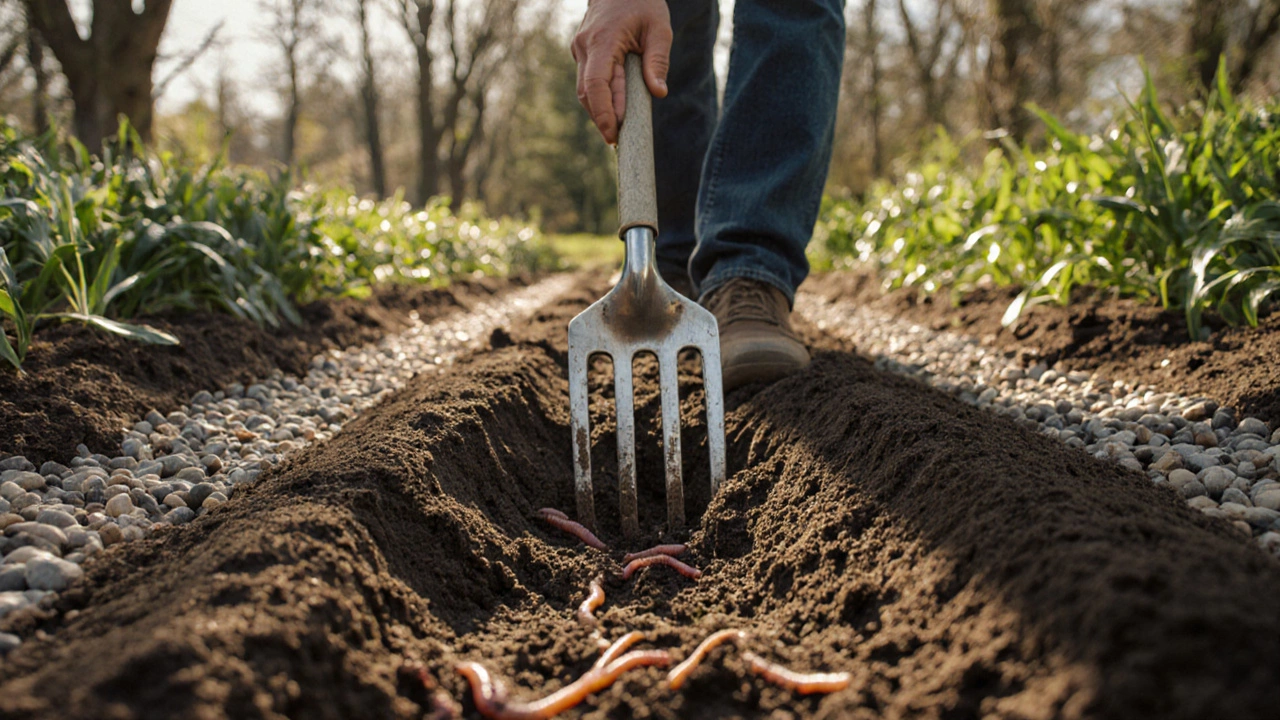
Soil loosening isn’t just about turning dirt. It’s about fixing the hidden problems that stop plants from growing strong. Soil amendment, adding organic matter like compost or well-rotted manure to improve texture and nutrient content is one of the most effective ways to do it. You don’t need fancy tools—just a garden fork, some compost, and a little patience. Mix that into the top 6 to 8 inches of soil, and you’re giving roots room to breathe and spread. Aeration, the natural result of loosening soil, lets oxygen reach root zones and helps beneficial microbes thrive. These microbes? They’re the unseen workers that turn dead leaves into food for your plants. And if your soil is hard as concrete? That’s not normal. It’s a sign you’re missing the basics.
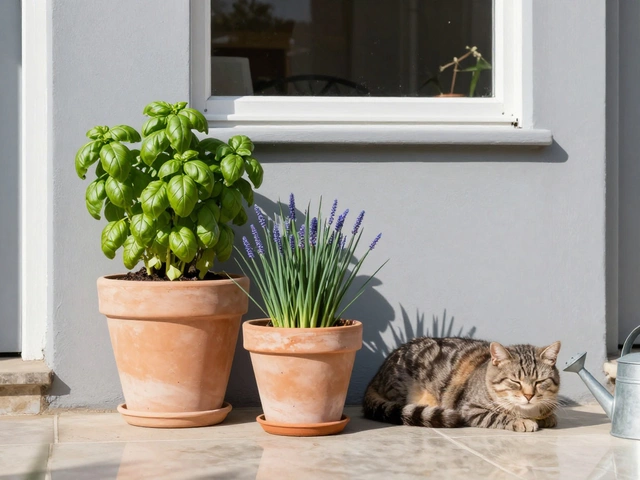
Many gardeners in India focus on watering or feeding—but if the soil won’t let water or nutrients move, none of that matters. A compacted layer just below the surface, called a hardpan, can trap roots and cause them to circle instead of grow down. That’s why plants in the same spot keep failing, even when you change the variety. Loosening soil isn’t a one-time fix. It’s part of yearly care, especially before planting season. And it’s not just for big gardens. Even in balcony pots, soil can get dense over time. A quick fluff with a trowel every few months can make a huge difference.
What you’ll find in the posts below isn’t just theory. It’s real fixes from people who’ve dealt with sticky clay, cracked earth, and plants that just won’t grow. You’ll see how to revive tired garden soil, why compost beats chemical boosters, and how tools like soaker hoses and mulch work better when the ground isn’t packed tight. There’s no magic potion. Just simple, smart steps that turn hard dirt into living soil.
Fix compacted soil naturally with aeration, compost, and mulch. Learn how to restore garden soil for healthier plants, better drainage, and stronger root growth without expensive tools or chemicals.
Continue reading...