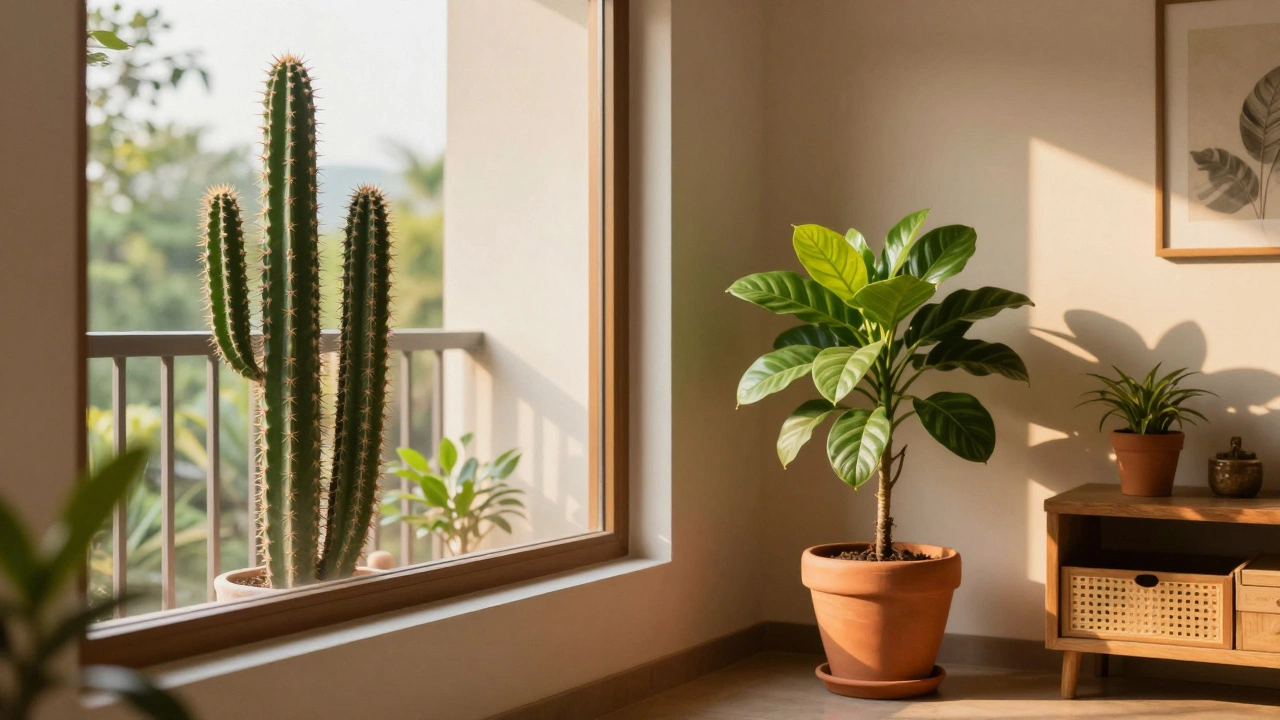
Unlucky Plants for Home: Which Plants Bring Bad Energy and Why
When it comes to unlucky plants for home, plants believed to attract negative energy or bad fortune in home environments. Also known as superstitious plants, these are not just myths—they’re avoided by many gardeners in India for practical and cultural reasons. You might have heard that certain plants don’t belong inside your living room, balcony, or near the front door. While science doesn’t prove curses, there are real reasons why some plants fail indoors, create maintenance nightmares, or simply don’t fit the vibe of a calm, healthy home.
Take the Vanda orchid, a high-maintenance tropical orchid that demands perfect humidity and airflow. It’s beautiful, yes—but in most Indian homes, it dies within months because people treat it like a regular houseplant. The same goes for bitter gourd, a native Indian vegetable that thrives outdoors but spreads aggressively indoors. Even though it’s nutritious and traditional, its vines can choke a small balcony, attract pests, and make cleaning a chore. Then there’s the durian, a fruit tree whose strong smell lingers for days and attracts flies and insects. People grow it for profit, but inside a home? No thanks. These aren’t just unlucky—they’re poorly suited for indoor or small-space living.
It’s not just about smell or size. Some plants, like those with sharp thorns or dense, heavy foliage, are avoided because they block light, trap dust, or make spaces feel claustrophobic. In Indian homes, where feng shui and vastu principles still guide layout choices, plants that look like they’re "pointing" at you or casting dark shadows are often moved outside. And let’s be honest—no one wants to water a plant every day that’s already struggling in low light. The real unlucky plants aren’t the ones with bad luck attached—they’re the ones that drain your time, energy, and patience without giving anything back.
What you’ll find below isn’t a list of superstitions. It’s a practical collection of posts that explain why certain plants don’t belong in your home, even if they’re popular or pretty. From balcony gardening mistakes to plants that attract pests or fail in Indian climates, these articles show you what to skip—and what to grow instead. No fluff. No myths. Just real gardening truths.
Discover which plants are considered unlucky for Indian homes according to Vastu and cultural traditions. Learn why cactus, tamarind, and white flowers are avoided indoors-and what to grow instead.
Continue reading...