Vegetable Nutrition: What Your Plants Really Need to Thrive
When we talk about vegetable nutrition, the essential nutrients and conditions that support healthy vegetable growth. Also known as plant feeding, it’s not just about dumping fertilizer on the soil—it’s about understanding what your plants are actually using, when they need it, and how to give it to them without wasting anything. Most gardeners think more fertilizer equals better crops. But that’s not true. Too much can burn roots, wreck soil life, and even make your veggies taste flat. Real vegetable nutrition starts with healthy soil, not a bag of chemicals.
Good soil health, the condition of soil that supports strong root systems, beneficial microbes, and proper water retention. Also known as living soil, it’s the hidden engine behind every thriving vegetable patch. If your soil is compacted, lifeless, or too acidic, no amount of store-bought nutrients will fix it. That’s why posts on this page show you how to fix hard soil with compost, how to test pH without a lab, and how to revive tired ground using things you already have—like eggshells, coffee grounds, and banana peels. You don’t need fancy tools. You need to understand what’s happening under the surface.
homemade fertilizer, natural, DIY nutrient mixes made from kitchen scraps and garden waste. Also known as organic plant food, it’s the smartest way to feed your veggies because it matches what plants actually grow best on. Neem oil might kill pests, but it won’t give your tomatoes the calcium they need to avoid blossom end rot. That’s where eggshell tea or compost tea comes in. These aren’t magic potions—they’re science-backed, low-cost solutions that match the natural feeding cycle of plants. And they’re the reason you’ll find step-by-step recipes on this page, not vague advice like "add some nutrients."
Vegetable nutrition isn’t one-size-fits-all. A carrot in a pot needs different things than a zucchini in the ground. A balcony tomato in Chennai needs more heat tolerance than one in Delhi. That’s why the posts here cover everything from container gardening to rainwater harvesting, from fixing compacted soil to choosing the right vegetables for your space. You’ll learn how to balance water, nutrients, and sunlight so your plants don’t just survive—they explode with growth.
There’s no secret formula. No expensive gadgets. Just smart, simple choices that add up over time. Whether you’re growing spinach on a windowsill or a full row of beans in your backyard, the same rules apply: feed the soil, not the plant. Let nature do the heavy lifting. And stop guessing what your veggies need.
Below, you’ll find real-world fixes from gardeners who’ve been there—overwatered plants, yellow leaves, poor yields—and figured out how to turn it around. No fluff. No theory. Just what works, right now, in Indian homes and balconies.
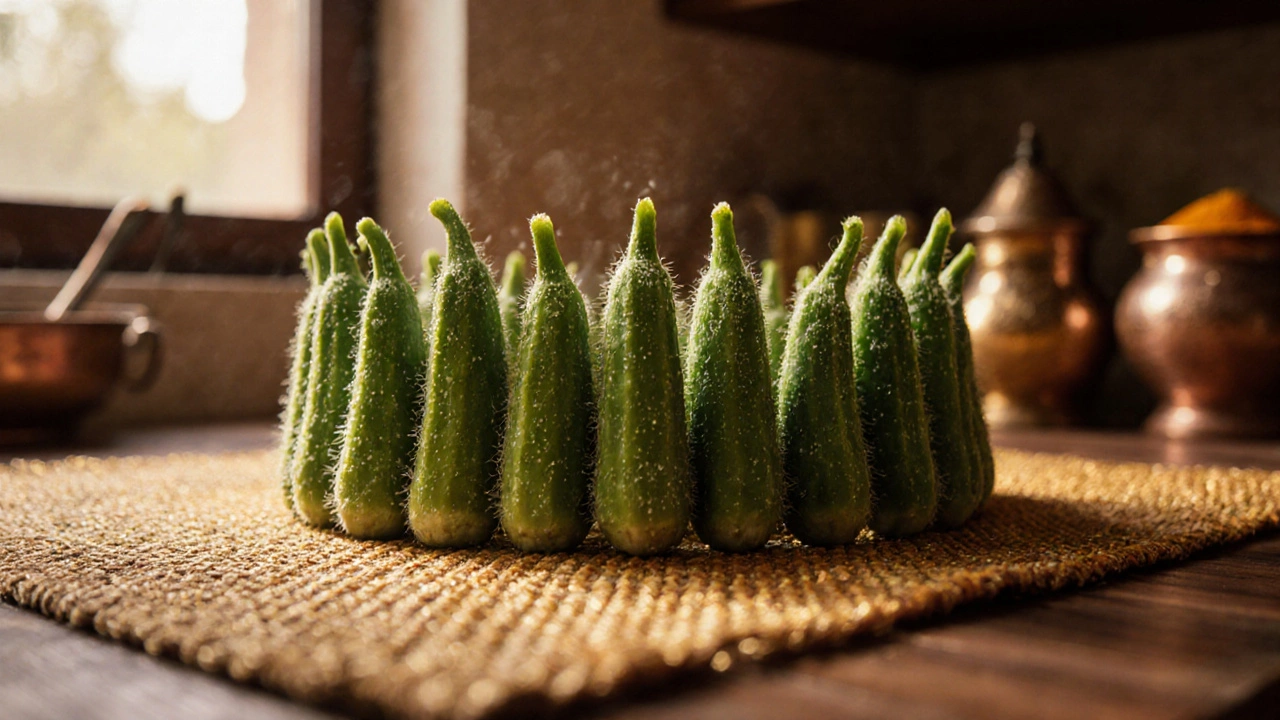
Discover why okra, known as bhindi, is hailed as India's queen of vegetables-its fast growth, heat tolerance, nutrition, and iconic dishes explained.
Continue reading...