What Not to Grow: Plants to Avoid in Indian Gardens
When it comes to gardening in India, what not to grow, the plants that waste your time, hurt your space, or break your spirit. Also known as unwanted garden candidates, these are the species that seem easy but turn into nightmares—whether it’s because of Vastu beliefs, climate mismatch, or sheer maintenance hell. You don’t need another guide telling you what to plant. You need to know what to leave out.
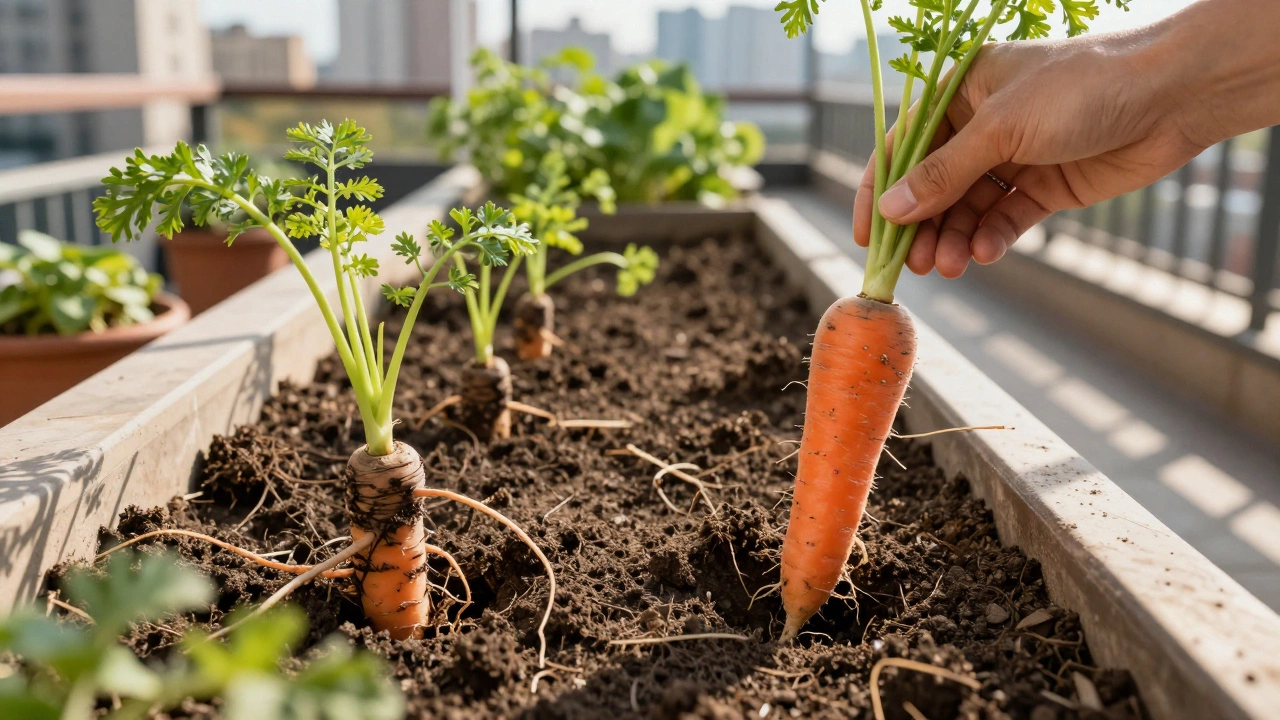
Take unlucky plants for home, those rooted in cultural superstitions and practical drawbacks. Also known as bad feng shui plants, cactus, tamarind, and white-flowered varieties are often banned from Indian homes—not just because of tradition, but because they attract pests, block light, or dry out the air. Then there’s the difficult balcony vegetables, crops like broccoli, corn, and carrots that demand deep soil and wide space. They’re fine in fields, but on a 10x10 balcony? They’ll just sit there, stunted and sad, while your herbs thrive. And if you’ve ever installed a drip irrigation system, a water-saving tool that clogs, leaks, and breaks in winter. Also known as low-effort watering, it sounds perfect—until your emitters get blocked by dust, your tubing cracks in the heat, and you’re spending more time fixing it than watering.
Some plants just don’t belong in Indian conditions. The Vanda orchid, for example, needs perfect humidity and airflow—most people treat it like a pothos and kill it within weeks. Durian sounds glamorous, but it takes seven years to fruit and demands tropical heat most Indian balconies can’t provide. Even compost sounds simple, but if you don’t know the difference between regular compost and organic compost, you’re risking toxins in your food. And don’t get me started on running drip irrigation every day. That’s not smart—it’s a recipe for root rot.
What you’re about to read isn’t a list of "don’ts" to scare you. It’s a filter. A way to skip the mistakes so many gardeners make in India—buying the wrong plants, wasting money on systems that fail, or following traditions without understanding why. The posts below cover real, tested failures: the plants that look pretty but ruin your soil, the irrigation setups that cost more than they save, the vegetables that refuse to grow no matter how hard you try. You’ll find out why some plants are avoided in homes, why certain veggies are impossible on balconies, and what actually works instead. No fluff. No myths. Just what to skip so you can focus on what grows.
Learn which plants to avoid in raised garden beds on balconies-deep roots, tall crops, and aggressive spreaders that fail in shallow, windy conditions. Grow smarter, not harder.
Continue reading...