Have you ever wondered if there is a single flower that grows nowhere else on Earth but India? It sounds like a fascinating trivia question, but the answer is a bit more complex than a simple name. India is a land of incredible biodiversity, hosting thousands of plant species that call its soil home. When people ask this, they are often looking for a unique symbol of the country's natural heritage. While the Lotus is the National Flower, it isn't exclusive to India. However, there are specific blooms that are endemic, meaning they are native and restricted to this region.
In this guide, we will explore the truth behind India's unique floral identity. We will look at the famous Neelakurinji which is a shrub famous for its blue blooms that appear once every 12 years in the Western Ghats. We will also discuss the cultural significance of the Lotus and why it doesn't fit the "only found" criteria. By the end, you will understand the rich tapestry of Indian botany and why conservation matters for these rare species.
The National Flower Misconception
Before we identify the truly endemic species, we need to clear up a common confusion. Many people assume the Lotus is the national flower of India, scientifically known as Nelumbo nucifera. It is indeed the national flower, chosen for its cultural and religious importance. You see it in temples, art, and mythology. It represents purity and beauty.
However, the Lotus is not exclusive to India. It grows naturally across Asia and Australia. You can find it in Thailand, China, and even parts of North America. So, if you are looking for a flower that exists only within India's borders, the Lotus is not the answer. It is a shared treasure of the continent, not a unique Indian secret. This distinction is crucial for understanding what makes a plant truly endemic.
The Neelakurinji Phenomenon
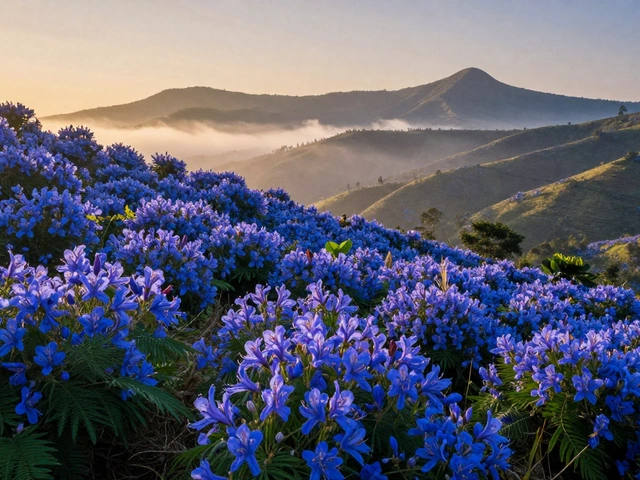
If we are talking about a flower deeply tied to India's unique landscape, the Neelakurinji takes the spotlight. This plant is scientifically called Strobilanthes kunthiana is an endemic shrub found in the Western Ghats of India. It belongs to the Acanthaceae family. What makes it special is not just its beauty, but its blooming cycle. It flowers once every 12 years.
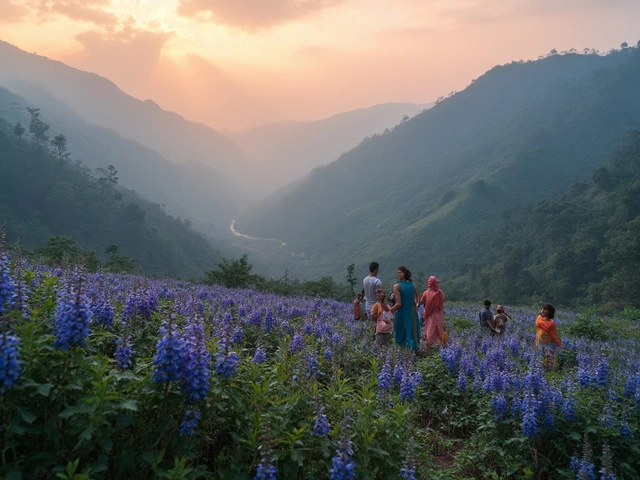
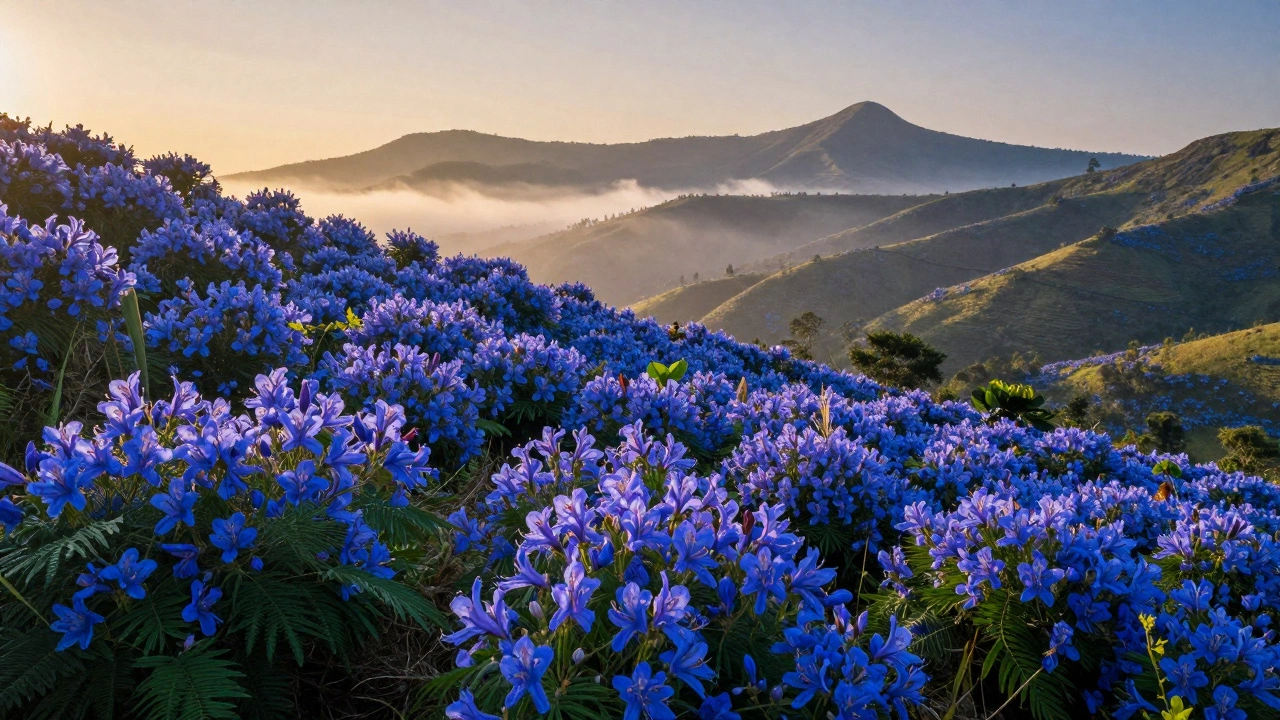
Imagine walking through the hills of Kerala or Tamil Nadu. Suddenly, the entire forest turns blue. This happens when the Neelakurinji blooms. The last major bloom was in 2018, and the next one is expected around 2030. This mass flowering event covers vast areas of the Western Ghats. It is a visual spectacle that draws tourists and botanists alike. The blue hue is so intense that it changes the color of the landscape entirely.
This plant is endemic to the Western Ghats, a biodiversity hotspot. While the Western Ghats stretch along the western coast of India, the specific conditions required for this plant make it effectively unique to this region. It does not grow in the Himalayas or the plains. It needs the specific altitude, rainfall, and soil of the Western Ghats. This makes it the closest answer to a flower found only in India.
Himalayan Floral Treasures
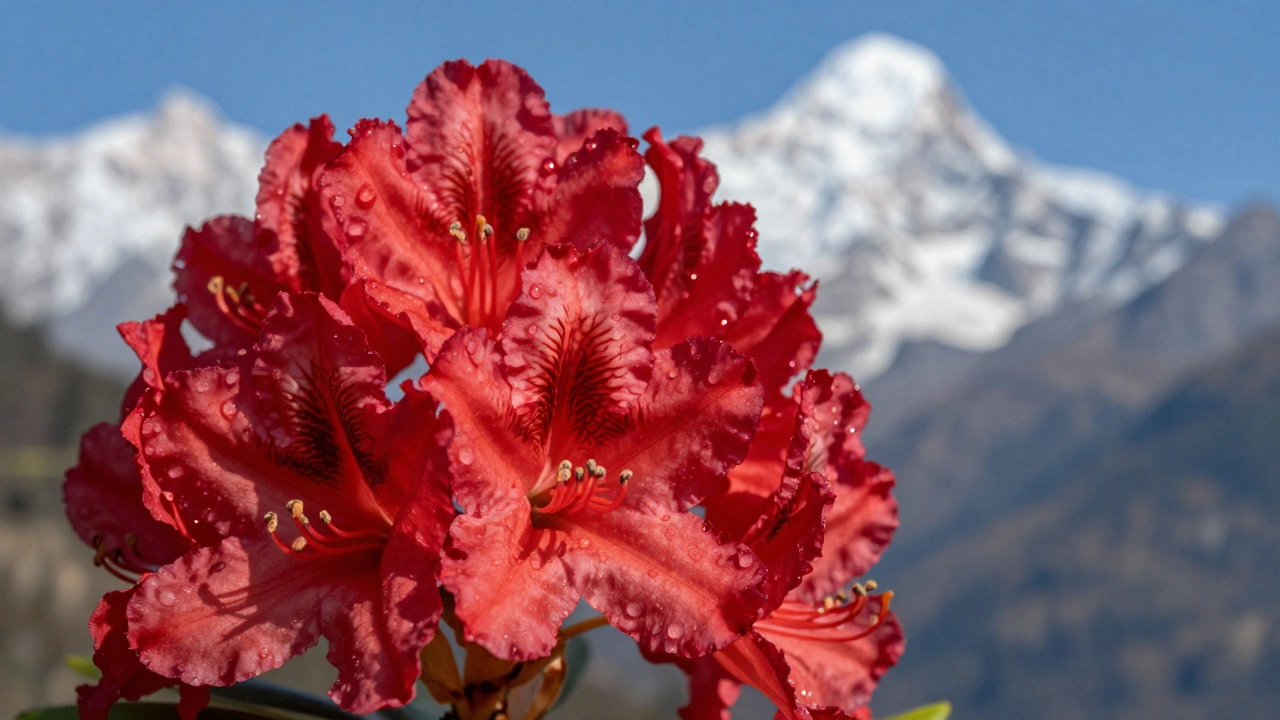
While the Neelakurinji dominates the south, the north has its own unique offerings. The Himalayas are another biodiversity hotspot within India. Here, you find species adapted to cold climates and high altitudes. One notable example is the Rhododendron arboreum is a flowering plant species known as the Great Indian Rhododendron. It is the state flower of Uttarakhand and Sikkim.
Although Rhododendrons exist in other parts of Asia, the specific variety arboreum is strongly associated with the Indian Himalayas. It produces vibrant red or pink flowers that bloom in spring. Another contender is the Himalayan Blue Poppy, or Meconopsis. This flower is rare and grows at very high elevations. It is difficult to cultivate outside its natural habitat.
These flowers face challenges due to climate change. Warming temperatures are pushing them to higher altitudes where there is less space to grow. This makes them vulnerable. For gardeners, trying to grow these species is difficult because they require specific chill hours and soil conditions that are hard to replicate in a backyard.
Endemic Orchids of India
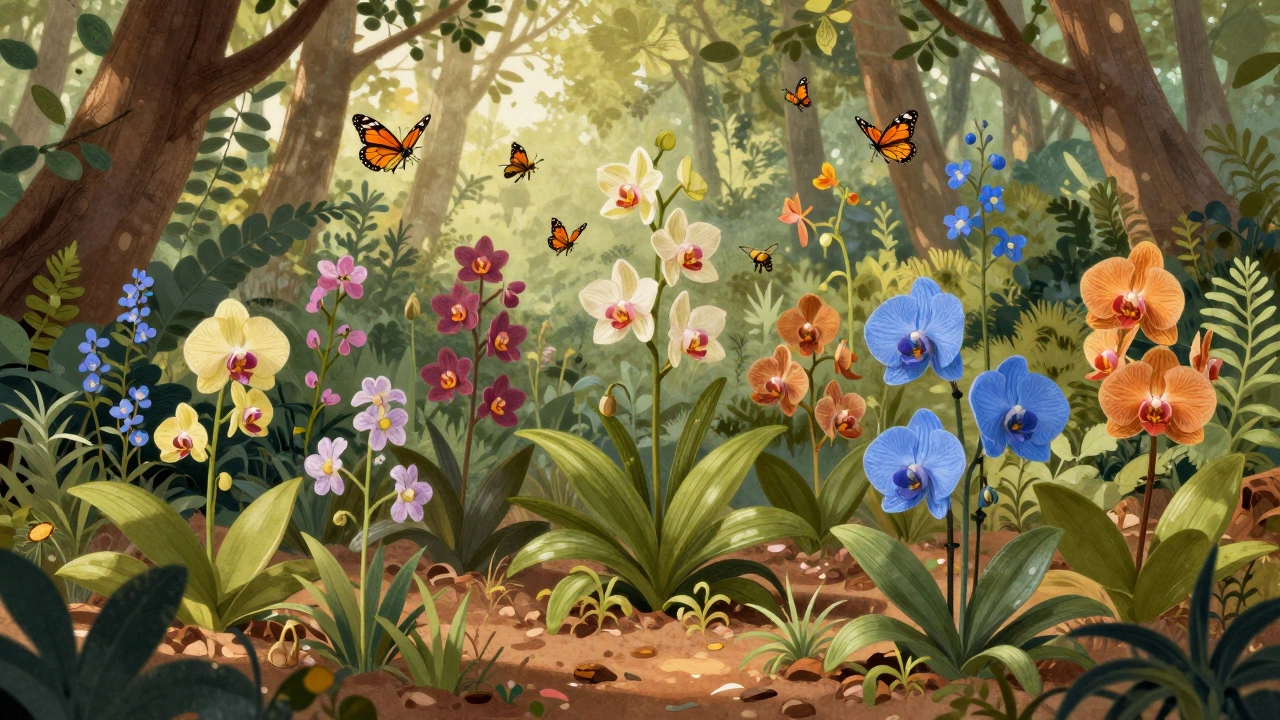
India is also home to a significant number of endemic orchids. Orchids are known for their exotic shapes and colors. Many of these species are found only in specific pockets of the country. For example, the Indian Orchids are a diverse group of flowering plants with hundreds of endemic species in India.
The Western Ghats and the Northeastern states are particularly rich in orchid diversity. Some species are so rare that only a few specimens are known to science. Collecting wild orchids is illegal and harmful to the ecosystem. They play a vital role in the forest by providing food for pollinators. Conservationists work hard to protect these species from poachers who want to sell them for profit.
If you are interested in orchids, it is better to buy cultivated varieties from nurseries. Wild collection threatens the survival of these unique plants. Many nurseries now propagate endemic species legally. This allows people to enjoy their beauty without damaging the natural habitat. It is a win-win for conservation and gardening.
Conservation and Threats
Protecting these unique flowers is not just about aesthetics; it is about survival. The Botanical Survey of India is a government organization responsible for the conservation of plant resources in India. They monitor the status of endangered species. Many endemic flowers are listed as vulnerable or endangered.
Habitat loss is the biggest threat. As cities expand and forests are cleared for agriculture, the homes of these plants disappear. Pollution also affects their ability to grow. Soil contamination and air quality changes can prevent seeds from germinating. Climate change alters rainfall patterns, which is critical for plants like the Neelakurinji that depend on specific wet and dry seasons.
Conservation efforts include setting up protected areas. National parks and wildlife sanctuaries help preserve the natural habitat. Seed banks store genetic material for the future. This ensures that even if a species disappears from the wild, it can be reintroduced later. Public awareness is also key. When people understand the value of endemic species, they are more likely to support protection laws.
Can You Grow Them at Home?
You might be wondering if you can grow these unique flowers in your own garden. The short answer is usually no, at least not easily. Most endemic species require very specific conditions that are hard to replicate. The Neelakurinji, for instance, needs the exact microclimate of the Western Ghats. It is not suitable for a balcony or a terrace garden in Delhi or Mumbai.
However, there are native alternatives that are easier to grow. The Kachnar is a tree known as Bauhinia variegata, commonly found in India. It has beautiful pink flowers and is native to the region. It is hardy and grows well in many Indian climates. Another option is the Gulmohar, which is iconic but not strictly endemic.
For the adventurous gardener, some orchids can be grown indoors. You need to control humidity and light carefully. Using a grow tent or a greenhouse can help mimic their natural environment. Always ensure you are buying plants that are legally propagated. Avoid buying wild-collected specimens. Supporting ethical nurseries helps the conservation cause.
Comparison of Indian Endemic Flowers
| Flower Name | Scientific Name | Region | Endemic Status | Bloom Cycle |
|---|---|---|---|---|
| Neelakurinji | Strobilanthes kunthiana | Western Ghats | Endemic | Every 12 Years |
| Lotus | Nelumbo nucifera | Across Asia | Not Endemic | Seasonal |
| Great Indian Rhododendron | Rhododendron arboreum | Himalayas | Regionally Endemic | Spring |
| Himalayan Blue Poppy | Meconopsis | High Himalayas | Endemic | Summer |
This table helps clarify the differences between the flowers often discussed. While the Lotus is famous, the Neelakurinji holds the title for uniqueness in terms of its restricted range and blooming habit. Understanding these differences helps you appreciate the specific ecological value of each plant.
Why Biodiversity Matters
Preserving these flowers is part of a larger picture. Biodiversity ensures the health of our ecosystem. Each plant plays a role in the food chain. Insects feed on the nectar, birds spread the seeds, and the plants provide oxygen and soil stability. If one species disappears, it can trigger a chain reaction.
India's flora contributes to the global gene pool. Unique genetic traits found in these plants could be useful for medicine or agriculture in the future. Losing them means losing potential solutions to health or food security problems. That is why conservation is not just about saving pretty flowers; it is about safeguarding our future resources.
As a gardener or nature lover, you can contribute by choosing native plants for your garden. This supports local pollinators and reduces the need for water and chemicals. It also keeps the genetic diversity alive in your immediate environment. Small actions add up to big changes when it comes to protecting our natural heritage.
Is the Lotus flower only found in India?
No, the Lotus is not only found in India. It is the National Flower of India, but it grows naturally across Asia and Australia. It is not an endemic species.
What is the most unique flower in India?
The Neelakurinji is considered one of the most unique flowers. It is endemic to the Western Ghats and blooms once every 12 years, turning the hills blue.
Can I grow Neelakurinji in my garden?
It is very difficult to grow Neelakurinji outside its natural habitat. It requires specific soil, altitude, and rainfall conditions found in the Western Ghats.
Are there any endemic orchids in India?
Yes, India has hundreds of endemic orchid species, particularly in the Western Ghats and Northeastern states. Collecting wild orchids is illegal.
Why are endemic flowers important?
Endemic flowers are crucial for biodiversity. They support local ecosystems, provide genetic resources, and maintain soil and water stability in their regions.
Understanding the floral landscape of India gives you a deeper connection to the land. It changes how you look at a garden or a forest. You start seeing the value in every leaf and petal. Whether you are a professional botanist or a casual gardener, knowing the difference between the Lotus and the Neelakurinji adds depth to your appreciation. The next time you see a blue bloom in a photo from the Western Ghats, you will know exactly what you are looking at and why it matters.