Balcony Gardening Matchmaker
Answer three simple questions to find plants that will thrive in your specific balcony environment.
Your Balcony Profile
You stare at your concrete slab or tiny railing space, wondering if it’s actually possible to grow anything edible that doesn’t die within a week. It is. But not everything works up there. The wind whips around corners, the sun moves differently than in an open field, and you have zero ground soil to rely on. If you’re looking for the best fruit and veg to grow on a balcony, you need plants that tolerate containers, handle variable weather, and don’t require acres of root space.
I’ve spent years testing what survives on Manchester balconies-some north-facing, some south-facing, all exposed to the elements. Here’s what actually produces food without turning into a compost heap experiment.
Why Balcony Conditions Change Everything
Before picking seeds, understand your microclimate. A balcony isn’t just a small garden; it’s a specific environment with unique challenges. Wind speed increases significantly above ground level, which dries out pots faster and can snap tall stems. Temperature fluctuations are sharper because concrete absorbs heat during the day and radiates it at night. Drainage is critical-you can’t dig a trench, so every pot needs perfect drainage holes or roots will rot.
Light exposure dictates success more than any other factor. South-facing balconies get direct sunlight for most of the day, ideal for fruiting crops. North-facing spots struggle with light-loving plants but thrive with leafy greens. East and west faces offer partial sun, good for many herbs and salad leaves. Check where the shadows fall at noon and late afternoon before buying anything.
Top Vegetables for Small Spaces
Vegetables are easier starters than fruits because they mature quickly and give immediate feedback. If something fails, you replant next month. Here are the winners:
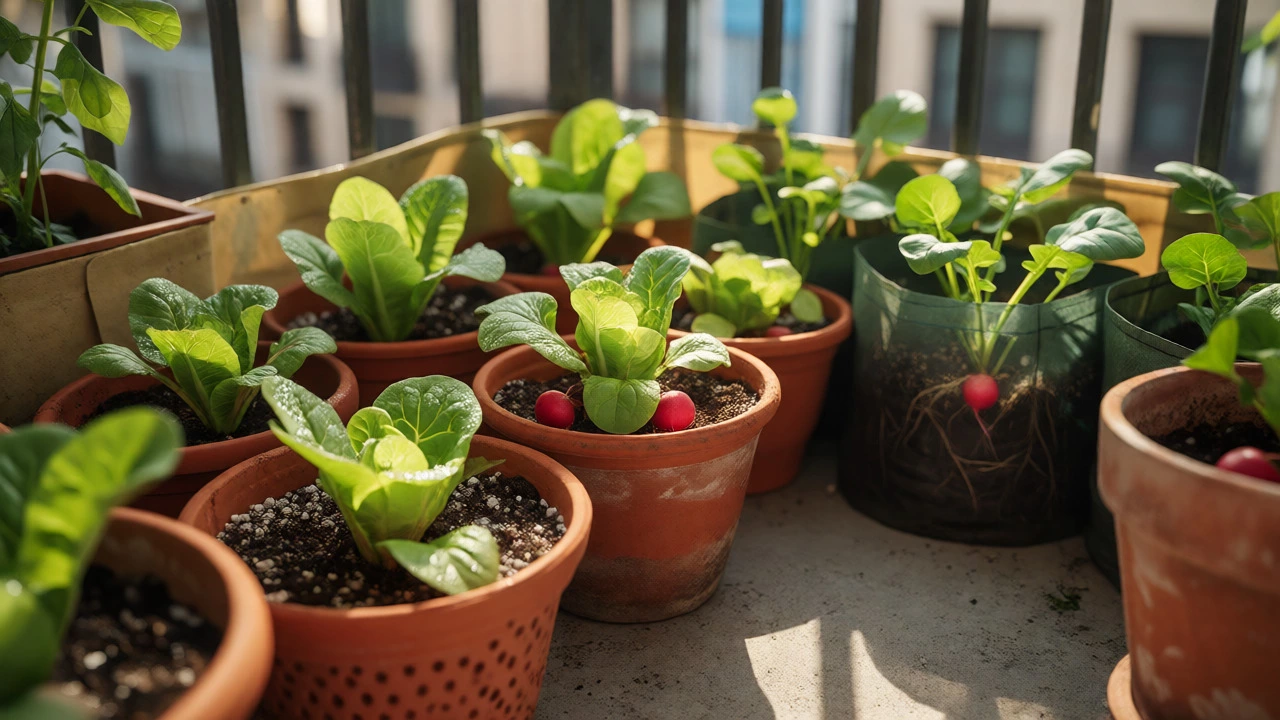
- Lettuce and Salad Greens: These shallow-rooted crops love balconies. Varieties like 'Tom Thumb' lettuce or loose-leaf mixes fit in window boxes. They tolerate partial shade, making them perfect for north-facing spaces. Harvest outer leaves continuously for weeks.
- Radishes: Ready in 25-30 days from seed. Tiny roots mean they thrive in small pots. Try 'Cherry Belle' or 'French Breakfast'. They add crunch to salads and prove you can grow food fast.
- Spring Onions: Regrow from supermarket scraps. Place white ends in water until roots appear, then plant in soil. They take up minimal space and provide green onions indefinitely.
- Dwarf Beans: Bush varieties like 'Contender' don’t need trellises. Each plant yields 10-15 pods. They fix nitrogen in the soil, helping neighboring plants. Perfect for sunny balconies.
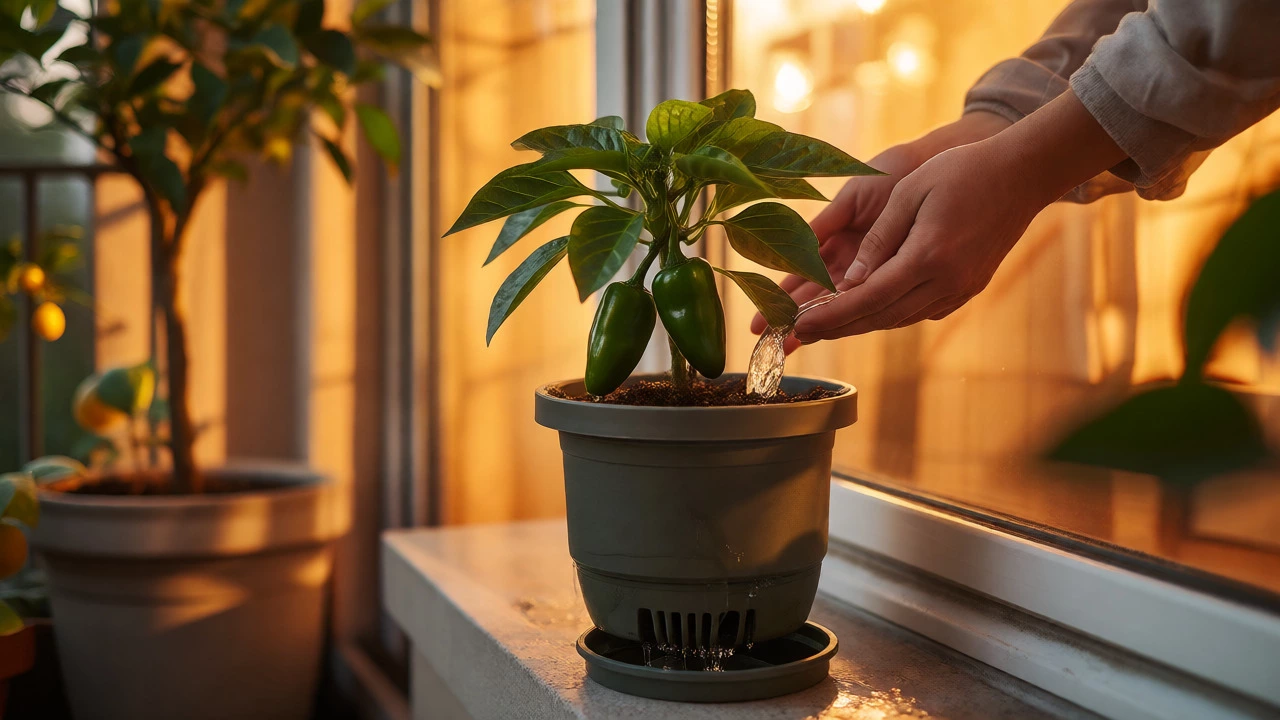
- Peppers and Chillies: Compact peppers like 'Jalapeño' or 'Hungarian Hot Wax' produce prolifically in 10-inch pots. They love heat and full sun. One plant can supply enough spice for months.
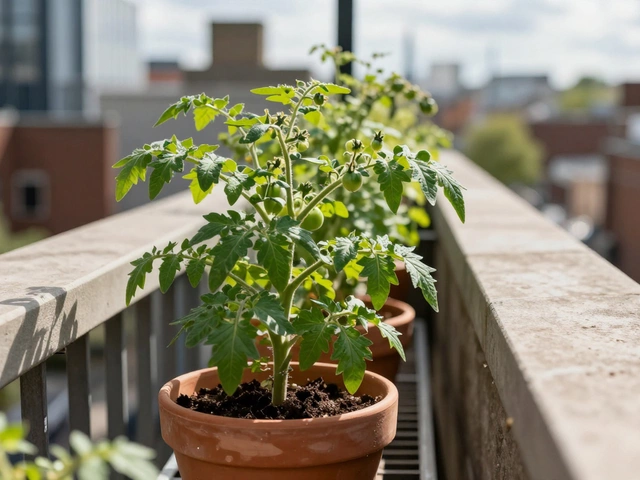
Avoid large vining crops like standard tomatoes or cucumbers unless you have vertical space. Even dwarf tomato varieties need consistent watering and feeding, which is harder when pots dry out daily.
Fruit That Actually Works Up There
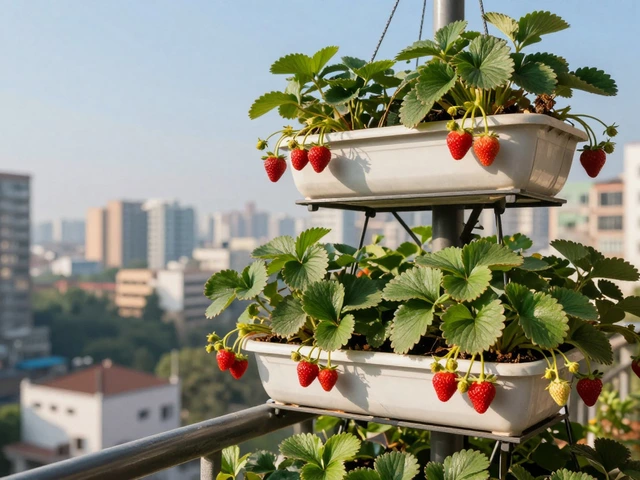
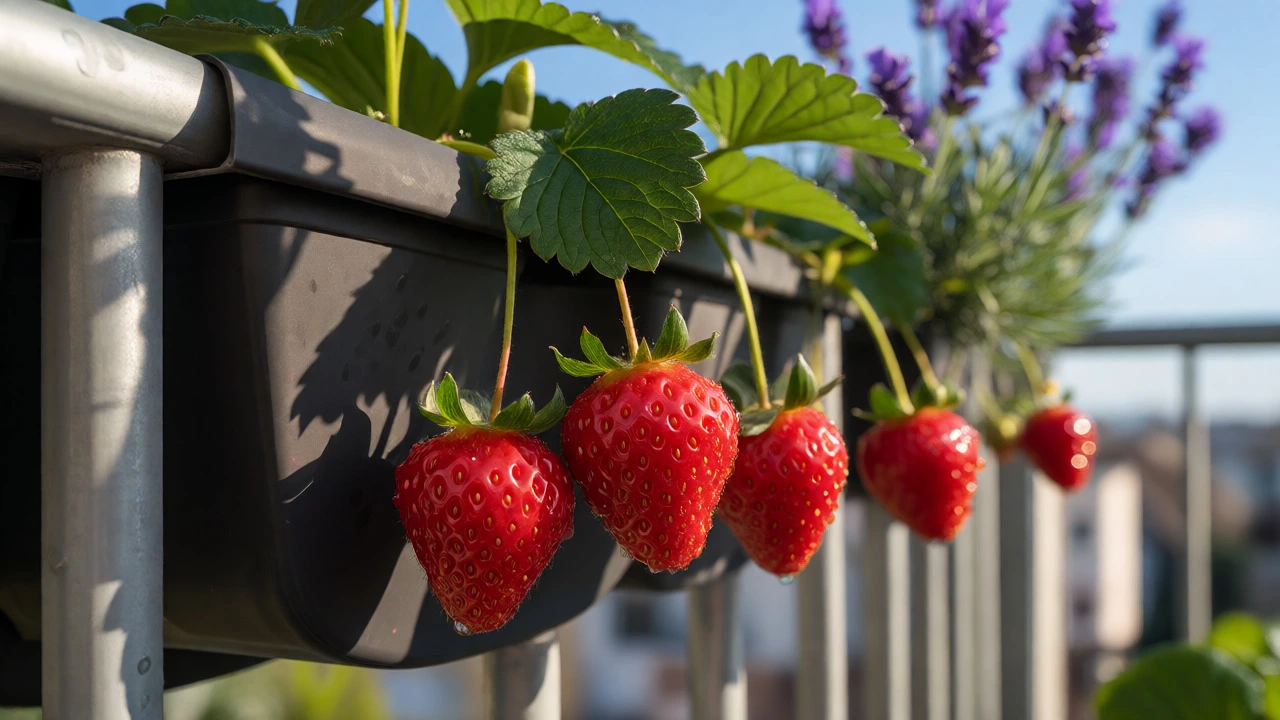
Fruit feels ambitious, but certain types excel in containers. Strawberries are the undisputed champions. Their shallow roots suit hanging baskets and tiered planters. Everbearing varieties like 'Alpine Strawberry' produce fruit throughout summer with minimal fuss. You’ll get berries within 60 days of planting runners.
Blueberries are another strong option, but only if you use acidic potting mix (peat-based) and rainwater. Container blueberries like 'Peach Sorbet' stay under two feet tall. They need cross-pollination, so buy two different varieties for better yield. Expect modest harvests-think handfuls, not buckets-but fresh-picked sweetness beats store-bought any day.
Dwarf citrus trees work on sheltered, sunny balconies. Lemon trees like 'Meyer Lemon' adapt well to pots if brought indoors during frost. They smell amazing and provide occasional fruit. Don’t expect heavy yields; one or two lemons per season is realistic. Olive trees also survive in UK cities if protected from winter wet and cold.
Essential Gear for Success
Forget fancy setups. You need three things: proper pots, quality soil, and a watering routine.
| Item | Recommendation | Why It Matters |
|---|---|---|
| Pots | Terracotta or fabric grow bags | Breathable materials prevent root rot; fabric bags allow air pruning for healthier roots. |
| Soil | Potting mix with perlite | Garden soil compacts in pots; potting mix stays loose and drains well. |
| Watering | Self-watering containers or drip kits | Balconies dry out fast; self-watering systems reduce daily maintenance. |
| Feeding | Liquid seaweed feed weekly | Nutrients wash out of pots quickly; regular feeding boosts yields. |
Use terracotta pots for weight stability against wind, or fabric grow bags for lightweight flexibility. Avoid plastic pots in hot sun-they overheat roots. Fill pots with high-quality multi-purpose compost mixed with 20% perlite for drainage. Never use garden soil alone; it turns to cement in containers.
Watering and Feeding Rules
This kills more balcony plants than pests ever will. Pots dry out faster than ground beds, especially in summer. Check moisture daily by sticking your finger an inch into the soil. If dry, water thoroughly until it runs out the bottom. Invert saucers after 10 minutes to prevent stagnant water attracting mosquitoes.
Feed regularly. Nutrients leach away with each watering. Use liquid fertilizer every two weeks during growing season. Tomato-specific feeds help fruiting plants. For leafy greens, general balanced feed works fine. Overfeeding burns roots; underfeeding stunts growth. Watch leaf color-yellowing often means nutrient deficiency.
Morning watering reduces evaporation loss. Evening watering risks fungal issues if leaves stay wet overnight. Aim for base watering rather than overhead spraying to keep foliage dry.
Dealing With Wind and Pests
Wind strips moisture and damages delicate stems. Group pots together to create mutual protection. Use taller plants as windbreaks for shorter ones. Secure tall stems with stakes or clips. Avoid top-heavy plants like large courgettes unless anchored firmly.
Pests arrive via wind or birds. Aphids cluster on new shoots; blast them off with water or apply insecticidal soap. Slugs hide under pots during day; place copper tape around rim to deter them. Birds peck strawberries; cover with netting once flowers form. Check undersides of leaves weekly for early infestation signs.
Remember, isolated balconies have fewer natural predators. Encourage biodiversity by adding one flowering herb like borage or lavender nearby. These attract hoverflies and bees that pollinate your crops and eat aphids.
Seasonal Planning for Year-Round Harvest
Don’t try to grow everything at once. Rotate crops seasonally to maximize space.
- Spring (March-May): Start lettuce, radishes, spring onions, and strawberry runners indoors or in sheltered spots.
- Summer (June-August): Move peppers, beans, and tomatoes outside after last frost. Plant basil and coriander alongside them.
- Autumn (September-November): Sow winter lettuce, spinach, and kale. These tolerate cooler temps and extend harvests.
- Winter (December-February): Rest the soil. Clean pots. Plan next year’s layout. Hardy herbs like rosemary survive outdoors if sheltered.
In Manchester, frost arrives earlier than southern regions. Protect tender plants with fleece covers when temperatures drop below 5°C. Bring potted citrus inside near a bright window during freezing spells.
Can I grow tomatoes on a north-facing balcony?
It’s difficult. Tomatoes need six hours of direct sun minimum. On a north-facing balcony, choose cherry tomato varieties bred for low light, such as 'Tumbling Tom Yellow'. Place them in the brightest corner and reflect light with white surfaces nearby. Expect smaller yields and slower ripening.
How big should pots be for balcony vegetables?
Leafy greens and radishes do fine in 6-8 inch deep containers. Peppers and strawberries need 10-12 inches depth and width. Dwarf beans require 12-inch pots per plant. Larger volumes hold moisture longer, reducing watering frequency. Always ensure pots have drainage holes.
Do I need special soil for balcony gardening?
Yes. Use sterile potting mix, not garden soil. Garden soil compacts in containers, blocking airflow to roots. Mix in perlite or vermiculite for drainage. Add slow-release fertilizer granules at planting time. Refresh top layer annually with compost.
What is the easiest fruit for beginners on a balcony?
Strawberries. They establish quickly, tolerate container life, and produce fruit in the first season. Alpine strawberries are particularly forgiving, tolerating partial shade and requiring less maintenance than traditional varieties.
How often should I water balcony plants?
Check daily. In summer, most pots need watering every day, sometimes twice in heatwaves. Winter requires less frequent watering, maybe once a week depending on rainfall. Stick your finger in the soil; if dry an inch down, water deeply.
Start small. Pick three crops you actually eat. Master their care before expanding. A single thriving pepper plant brings more satisfaction than five dying lettuce heads. Your balcony is ready-just pick the right tenants.