Kitchen Garden Placement Planner
Evaluate your yard conditions to find the perfect spot and the right plants for your kitchen garden.
1. Assess Your Site
Your Garden Blueprint
Recommended Setup:
Best Plants for This Spot:
Enter your site details and click "Analyze Location" to see your customized placement guide.
Quick Wins for Placement
- Prioritize Light: Aim for at least 6-8 hours of direct sunlight.
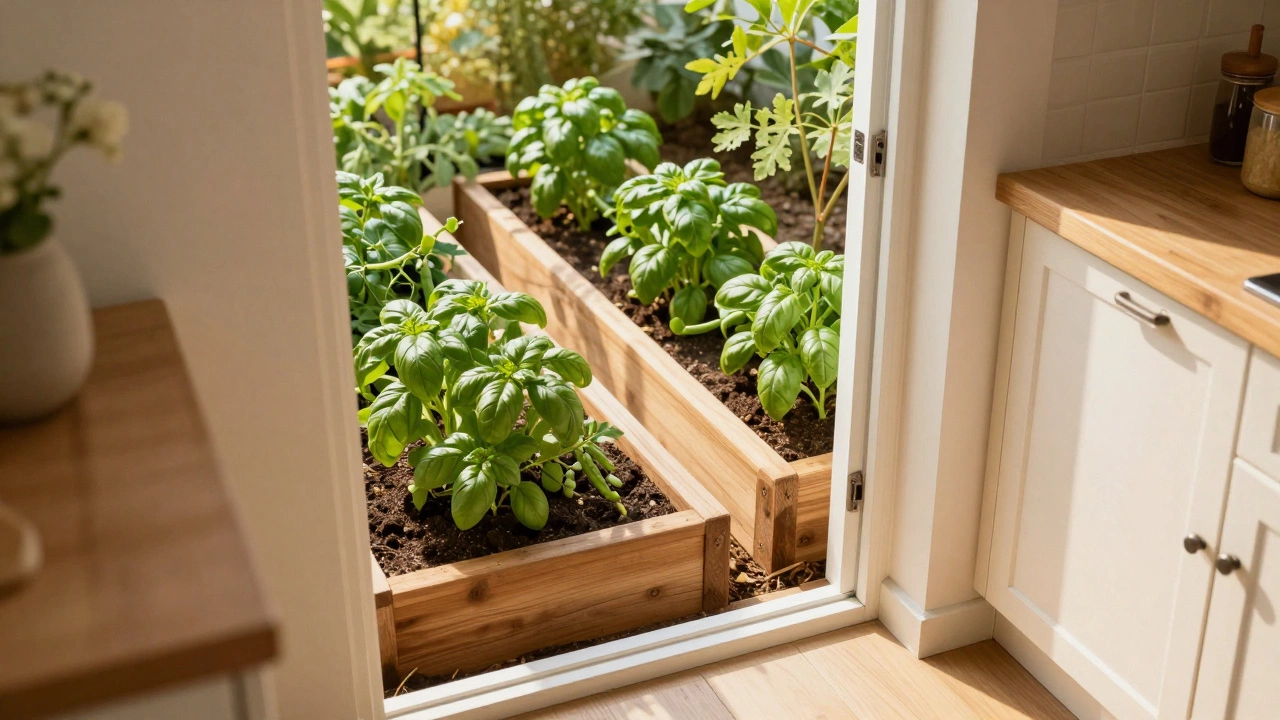
- Stay Close: Place it near the kitchen door to ensure you actually use the herbs.
- Water Access: Keep it within reach of a hose or rain barrel to avoid hauling buckets.
- Soil & Drainage: Avoid low spots where water pools after a heavy rain.
The Golden Rule of Sunlight
Plants don't eat soil; they eat light. For a productive kitchen garden is a small-scale garden located near the kitchen, primarily used for growing herbs and vegetables for immediate consumption, sunlight is the non-negotiable factor. Most fruiting vegetables, like tomatoes or peppers, are "full sun" plants. This means they need 6 to 8 hours of direct, unfiltered light to produce fruit.
If you place your garden under a large oak tree or on the north side of a tall fence, you'll end up with "leggy" plants-stems that stretch and grow thin as they desperately hunt for light. This makes them weak and more prone to pests. If you only have a spot with 4 hours of light, don't give up, but change your plan. Stick to leafy greens like spinach or kale, which can handle a bit more shade without sacrificing their growth.
Proximity and the 'Convenience Gap'
There is a psychological side to gardening. If your herb garden is at the far end of the yard, you'll likely forget to harvest the mint before it goes to seed, or you'll be less inclined to weed it on a rainy Tuesday. The best place for a kitchen garden is literally a few steps from where you prep your food.
Think about the path you take from the kitchen door to the trash or the patio. Putting your garden along this path integrates it into your daily routine. You'll notice a pest infestation or a drooping leaf much faster if you pass by the garden ten times a day than if you only visit it once a week. This is a simple way to increase your success rate without adding more fertilizer or fancy tools.
| Location | Pros | Cons | Best For |
|---|---|---|---|
| Directly outside kitchen | Maximum convenience, easy harvest | May block views or walkways | Herbs, salad greens |
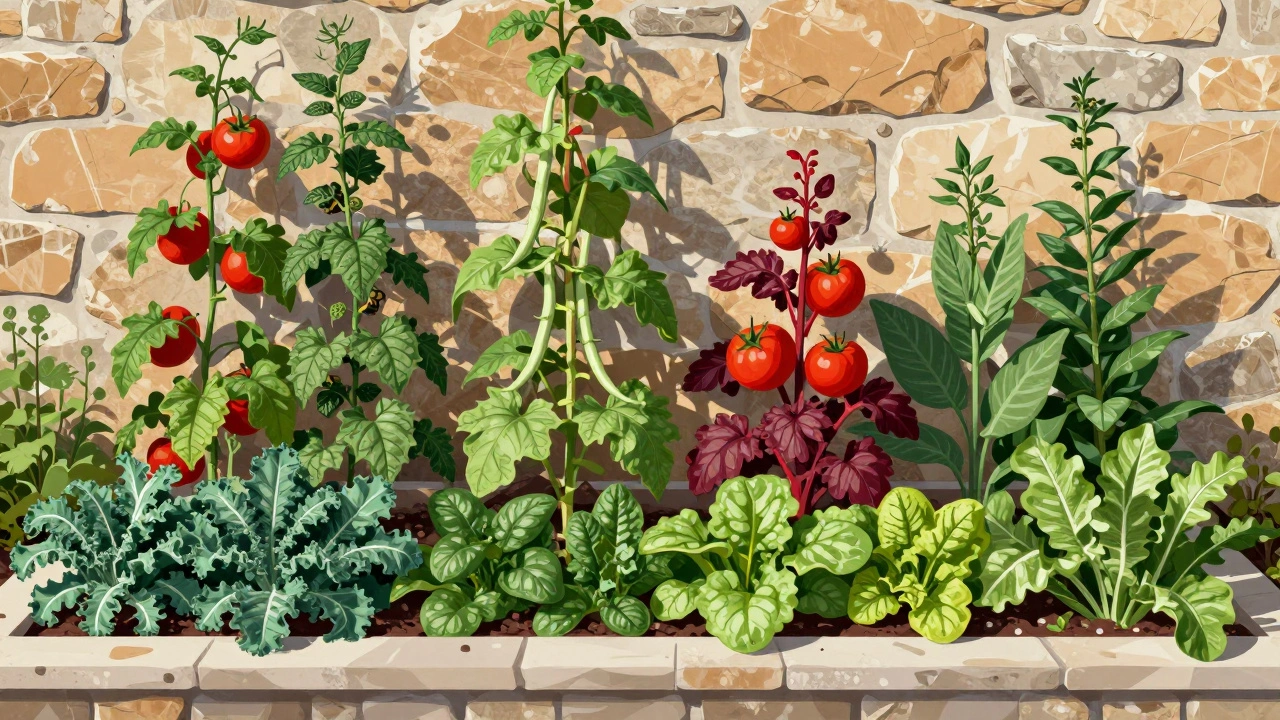
| South-facing fence line | Excellent sun exposure, vertical support | Can be prone to heat scorch | Tomatoes, Beans, Cucumbers |
| Raised beds in center yard | Better drainage, easier on the back | Longer walk from the house | Root vegetables, Peppers |
| Patio / Container pots | Total control over soil, mobile | Dries out quickly, limited space | Potted chilies, Basil, Mint |
Managing Wind and Microclimates
You might have a sunny spot, but if it's positioned in a wind tunnel between two buildings, your plants will suffer. Strong winds strip moisture from leaves and can physically snap young stems. This is where understanding microclimates-small areas where the climate differs from the surrounding region-becomes vital.
A wall facing south acts as a heat sink. It absorbs warmth during the day and releases it slowly at night. Placing your garden against such a wall can actually extend your growing season by a few weeks, protecting sensitive plants from early frosts. On the flip side, avoid "frost pockets," which are low-lying areas of the yard where cold air settles. If you plant your peppers there, they might freeze while the plants just five feet higher are perfectly fine.
Water Access: The Logistics of Hydration
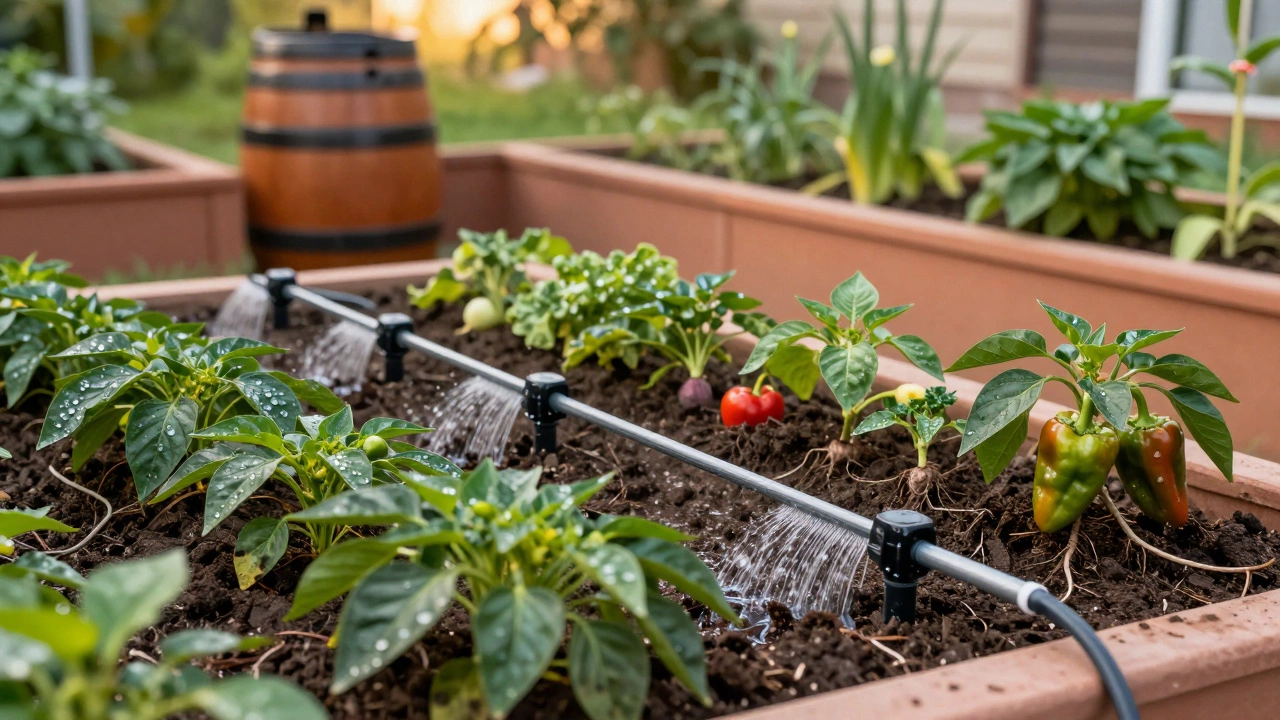
Watering by hand is a peaceful ritual until you're carrying a 10-liter watering can across a muddy lawn four times a day in July. Your garden should be located within easy reach of a water source. Whether you use a standard garden hose or a more efficient drip irrigation system, the distance matters.
If you are building a permanent bed, consider the slope of your land. You want a spot that drains well. If water pools in a specific area after a storm, avoid it. Root rot happens quickly in soggy soil, and few vegetables enjoy "wet feet." If your ground is heavy clay and doesn't drain, don't let that dictate the location-instead, use raised beds. This allows you to put the garden in the sunniest spot regardless of the poor native soil quality.
The Soil Connection and Pests
Before you dig, look at what's around the spot. Is it next to a compost pile? That's great for easy nutrient cycling. Is it right next to a dense thicket of wild shrubs? That might be a highway for slugs and snails. While you can't avoid pests entirely, placing your garden in an open, airy area helps reduce the humidity that many fungi and molds love.
Also, consider the "shadow cast." A spot that is sunny in April might be completely shaded by a growing hedge by July. Walk your yard at 10 AM, 2 PM, and 5 PM to see how the light actually moves. You'll be surprised how a few feet of movement can change a spot from a "tomato paradise" to a "lettuce lounge."
Can I put a kitchen garden on a balcony?
Yes, absolutely. The same rules apply: focus on sunlight and water access. Use high-quality potting mix and containers with drainage holes. If your balcony faces north and gets little sun, focus on greens like arugula or chard rather than heat-loving peppers.
What is the best orientation for a vegetable garden?
In the northern hemisphere, a south-facing orientation is ideal because it captures the maximum amount of sunlight throughout the day. If you have a choice, place your tallest plants (like corn or trellised beans) on the north side of the garden so they don't shade out the smaller plants.
How close to the house is too close?
You want it close enough to be convenient, but not so close that it traps moisture against your house siding or foundation. Leave a small gap of a few inches or use raised beds to ensure airflow between the garden and your home's walls.
Do I need to worry about the wind?
Yes, strong winds can damage plants and dry out the soil rapidly. If your chosen spot is windy, consider installing a windbreak, such as a trellis with climbing plants or a permeable fence, to protect your more delicate vegetables.
Should I plant directly in the ground or use pots?
If you have rich, well-draining soil, the ground is great. However, if your soil is rocky, clay-heavy, or contaminated, pots or raised beds are better. They give you total control over the soil nutrients and are often easier to manage in terms of weeding and drainage.
Next Steps for Your Setup
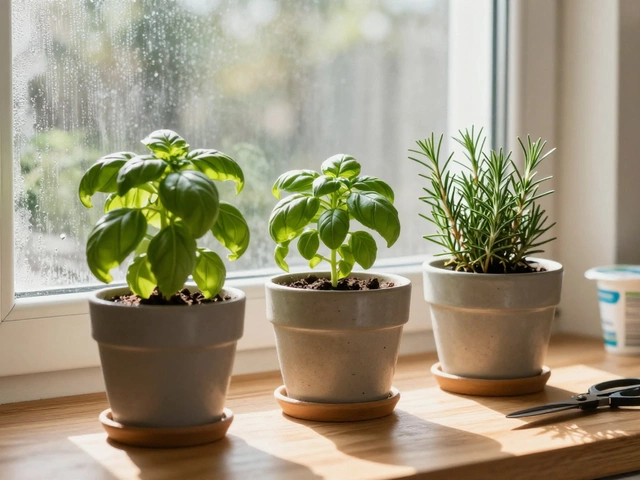
Once you've picked your spot, don't just start digging. Start by mapping out the "sun zones" of your yard for one full week. Mark where the light hits at different times of the day. If you're dealing with poor soil, start a small compost bin nearby to build up the organic matter over the next few months. If you're on a tight budget, start with three large pots of the most-used herbs-basil, parsley, and cilantro-right on your windowsill or doorstep to test the light before committing to a full bed.