Garden Spot Suitability Calculator
Analyze Your Location
Check the boxes that apply to your potential garden spot.
Suitability Score
Start Checking
Select factors above to see if your spot is ready for planting.
Recommended Crops:
You’ve bought the seeds. You’ve got your gloves ready. But before you dig that first hole, there’s one question that makes or breaks every garden: where exactly are you putting it? Pick the wrong spot, and you’re fighting nature all season long. Pick the right one, and your plants practically grow themselves.
Most beginners make the mistake of choosing a spot based on aesthetics-"It looks nice here" or "It’s close to the patio." That’s backward. Plants don’t care about curb appeal; they care about light, water, and air. If you want a thriving kitchen garden, you need to treat your yard like a puzzle, not a canvas. Let’s break down how to find that perfect patch of earth.
The Non-Negotiable: Sunlight Exposure
If you remember nothing else from this guide, let it be this: most edible plants need at least six hours of direct sunlight a day. Not filtered light through a tree canopy. Not morning shade followed by afternoon gloom. Direct, unobstructed sun.
But here’s the catch-not all sun is created equal. Morning sun is gentle and helps dew evaporate, reducing fungal diseases. Afternoon sun is intense and can scorch delicate leaves in summer. For a productive vegetable plot, aim for a spot that gets full sun from sunrise until early afternoon. This gives your plants the energy boost they need without the heat stress of the midday peak.
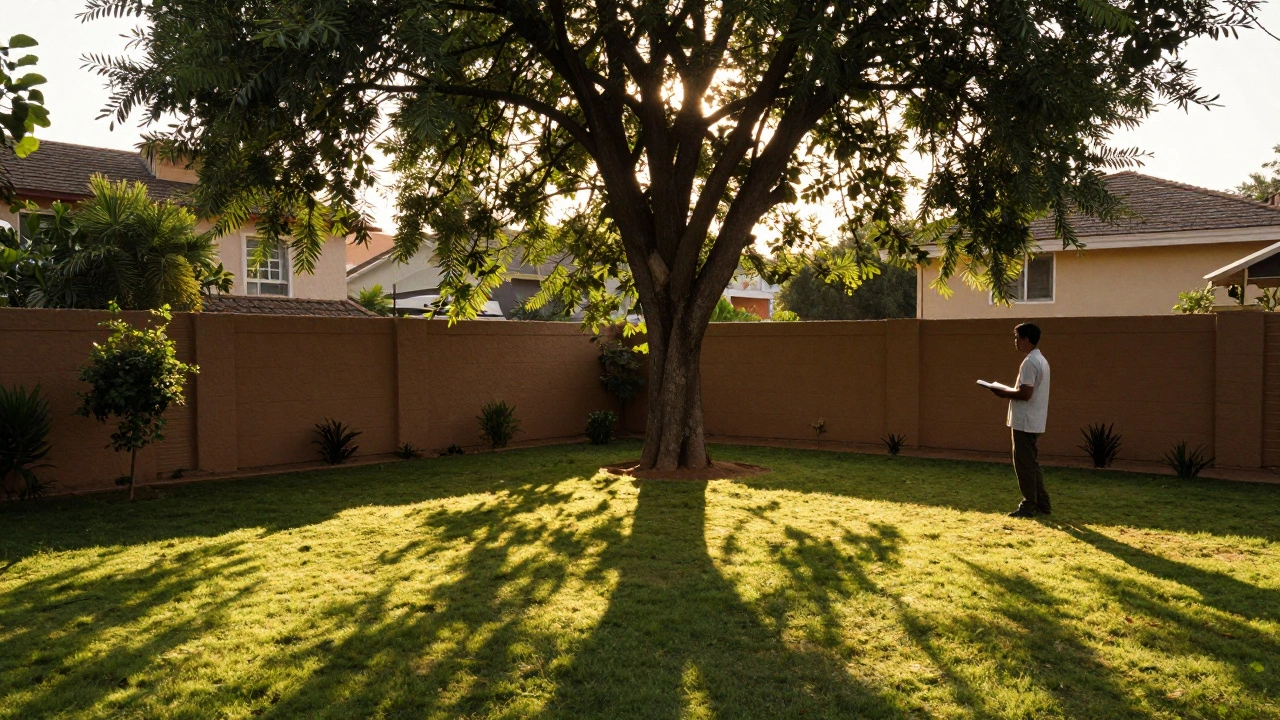
To test your yard, do a simple "sun audit." Walk around your property at different times of the day-8 AM, noon, and 4 PM-for three consecutive days. Mark where the shadows fall. You might think your backyard is sunny, but that old oak tree casts a long shadow by 10 AM. Or maybe the neighbor’s fence blocks the western light. Map it out. The area with the longest streak of uninterrupted light is your goldmine.
If your yard is mostly shaded, don’t panic. You can still garden, but you’ll need to adjust your plant choices. Leafy greens like spinach, lettuce, and kale tolerate partial shade (3-4 hours of sun). Herbs like mint and parsley also hold up well. But tomatoes, peppers, and squash? They will struggle and likely fail in low-light conditions.
Soil Quality and Drainage: The Hidden Foundation
Sunlight gets all the glory, but soil is the engine room. You can add fertilizer later, but fixing poor drainage is a nightmare. Before you plan your beds, check how your soil handles water.
Perform a percolation test. Dig a hole about 12 inches deep and fill it with water. Let it drain completely, then fill it again. Time how long it takes for the second filling to disappear. If it drains within an hour, your drainage is good. If it sits for more than two hours, you have a problem. Waterlogged soil suffocates roots, leading to rot and disease. It’s why so many home gardens fail-they’re planted in low spots where water pools after rain.
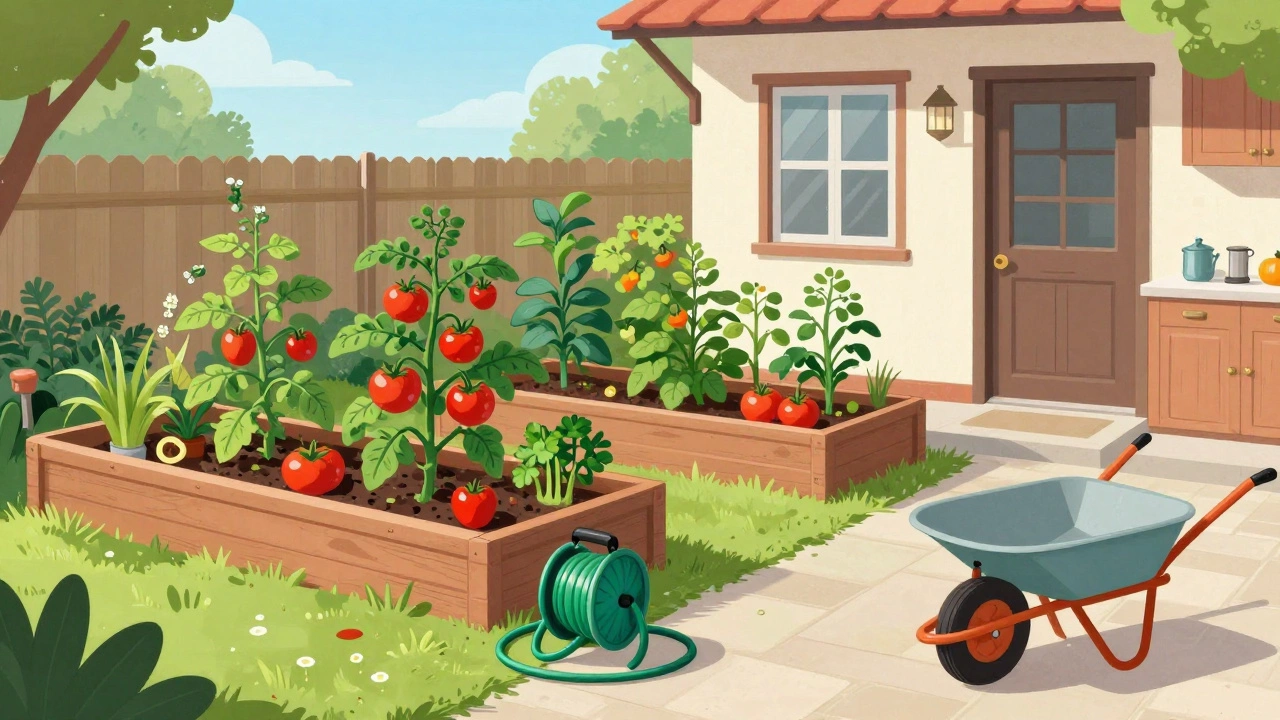
Avoid these low-lying areas unless you’re willing to build raised beds. Raised beds solve drainage issues by elevating the root zone above the native soil. They also warm up faster in spring, giving you a head start on the growing season.
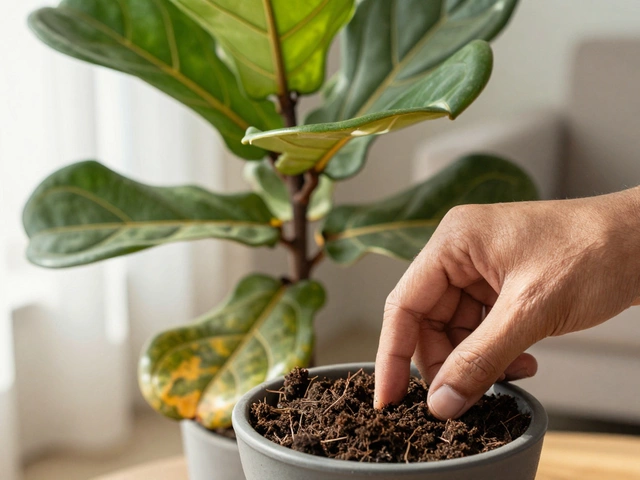
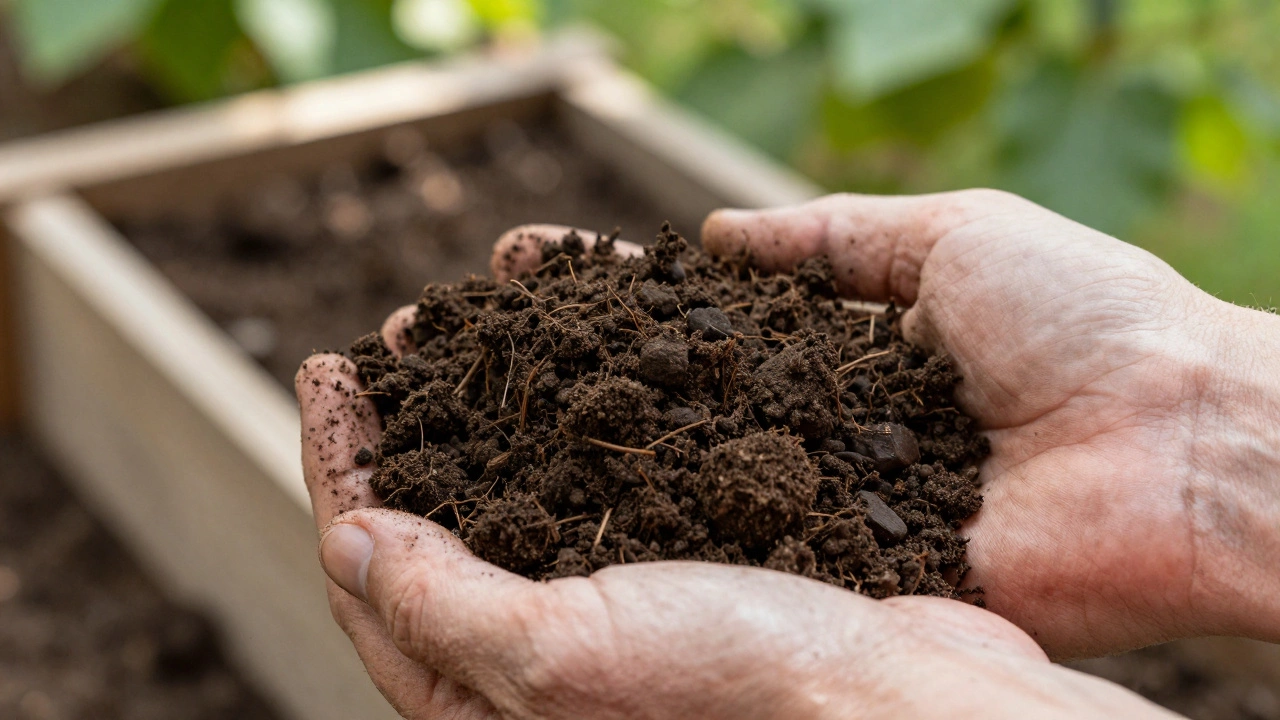
Next, check the texture. Grab a handful of moist soil and squeeze it. If it holds its shape but crumbles easily when poked, you have loam-the ideal gardening soil. If it sticks together like clay and feels heavy, it will drain poorly and be hard to work. If it slips through your fingers like sand, it won’t retain nutrients or moisture. Both extremes can be fixed with organic matter. Compost, aged manure, or leaf mold improves structure, adding life and balance to stubborn soils.
Accessibility and Convenience: The Lazy Gardener’s Advantage
Here’s a hard truth: if your garden is inconvenient, you won’t tend it. And if you don’t tend it, weeds win. Every time you walk past your garden, you should feel a pull to check on it. Is it easy to reach with a hose? Can you get a wheelbarrow in there?
Place your garden near a water source. Hauling buckets of water across a lawn is exhausting and inefficient. A nearby spigot allows for consistent watering, which is critical for fruiting crops like tomatoes and cucumbers. Inconsistent watering leads to blossom end rot and split fruits.
Consider the path. Do you need to cross a busy driveway or climb over flower beds to get to your veggies? If yes, you’ll skip chores. Create a clear, wide path (at least 3 feet) so you can move freely. If you’re using raised beds, ensure they’re spaced so you can reach the center from either side without stepping on the soil. Compacted soil reduces oxygen flow to roots, stunting growth.
Proximity to the kitchen matters too. When harvesting, you want to bring fresh produce inside quickly. A garden tucked behind the house might be out of sight, but it’s also out of mind. Place it where you see it daily-near the back door or along a frequently used path. Visual cues remind you to weed, water, and harvest.
Airflow and Microclimates: Invisible Factors
Your yard isn’t a uniform box. Different areas have unique microclimates influenced by structures, fences, and topography. Understanding these nuances can save your crop from disaster.
Wind is both friend and foe. Gentle breezes strengthen plant stems and dry off foliage, preventing mildew. But strong, gusty winds can snap tomato cages and tear leaves. If your yard is exposed, consider planting a windbreak-a row of tall corn, sunflowers, or even a temporary lattice with climbing beans-to shield delicate crops.
Frost pockets are another hidden danger. Cold air sinks and settles in low areas. If your yard has a dip or a depression, that’s where frost lingers longest in spring and hangs around late into autumn. Avoid planting tender crops like beans and squash in these zones. Instead, use them for hardier root vegetables or perennial herbs.
Conversely, south-facing walls absorb heat during the day and radiate it at night. This creates a warmer microclimate, extending your growing season. Plant heat-loving crops like eggplants and peppers near a south-facing fence or wall. Just be mindful of reflected heat, which can cook sensitive leaves. Give them a little extra space from the surface.
Comparing Garden Locations: A Quick Reference
| Location Type | Sun Exposure | Drainage Risk | Best For | Pitfalls |
|---|---|---|---|---|
| Backyard Center | High (if open) | Low | Veggies, Herbs | Shade from trees/fences |
| Near House Wall | Variable | Medium | Heat-lovers (Peppers) | Gutter runoff, reflection |
| Low-Lying Dip | Medium | High (Poor) | Root Veggies | Frost pocket, waterlogging |
| Side Yard Strip | Low to Medium | Medium | Greens, Shade-tolerant | Limited space, wind tunnel |
Planning for Future Growth: Flexibility Matters
Your garden needs will change. What starts as a few herb pots might expand into a full vegetable patch. Choose a spot that allows for expansion. Don’t box yourself in with permanent structures unless you’re sure.
Think about companion planting and crop rotation. Some plants, like marigolds, repel pests and benefit neighboring veggies. Others, like heavy feeders (tomatoes, broccoli), deplete soil nutrients. Rotating crops prevents disease buildup and maintains soil health. A flexible layout lets you shift beds year to year.
Also, consider privacy and noise. A garden near a noisy street can be stressful. Use trellises with climbing vines to create a green barrier. It dampens sound and adds vertical growing space. Beans, peas, and cucumbers thrive on vertical supports, maximizing yield in small areas.
Common Mistakes to Avoid
- Ignoring seasonal shifts: Trees that are bare in winter cast huge shadows in summer. Check sun patterns in June, not January.
- Overlooking foot traffic: Kids and pets play everywhere. Protect young seedlings with fencing if needed.
- Planting too close to foundations: Roots can interfere with house drainage, and gutters dump acidic water on plants.
- Neglecting compost access: Keep your compost bin near the garden for easy feeding. Far-away compost bins gather dust.
Finding the best spot isn’t about perfection. It’s about understanding your yard’s quirks and working with them. Start small, observe, and adapt. Your future self-and your dinner plate-will thank you.
How much sun does a kitchen garden really need?
Most vegetables require 6-8 hours of direct sunlight daily. Leafy greens can manage with 3-4 hours, but fruiting crops like tomatoes and peppers will produce poorly without full sun. Always prioritize the sunniest part of your yard for high-value crops.
Can I garden in a shady yard?
Yes, but you must choose shade-tolerant plants. Spinach, lettuce, arugula, kale, and herbs like mint and cilantro thrive in partial shade. Avoid sun-loving crops like peppers and melons. Consider pruning nearby trees to increase light penetration.
What if my soil is clay or sandy?
Both types can be improved. Add organic matter like compost or aged manure to enhance structure. Clay becomes lighter and drains better; sand retains moisture and nutrients. Raised beds filled with quality potting mix are also an excellent solution for problematic native soils.
Is it better to plant near the house?
Planting near the house offers convenience for watering and harvesting. South-facing walls provide warmth, extending the season. However, avoid planting directly under eaves where gutter runoff can damage plants. Ensure there’s enough space for airflow and maintenance.
How do I prevent waterlogging in my garden?
Avoid low-lying areas where water collects. Improve drainage by adding organic matter to the soil. Build raised beds to elevate roots above saturated ground. Install French drains or swales if necessary to redirect excess water away from planting zones.
Should I use raised beds or in-ground planting?
Raised beds offer better drainage, warmer soil, and easier access, making them ideal for beginners or poor soil conditions. In-ground planting is cheaper and requires less initial setup but demands more soil preparation. Choose based on your soil quality and physical ability to bend and kneel.