Balcony Fruit Matchmaker
Recommended for Your Balcony:
Imagine biting into a strawberry that you picked just minutes ago from your own apartment balcony. It sounds like a dream reserved for people with sprawling backyards, but the reality is far more accessible. You don’t need acres of land to grow fresh produce; you just need the right strategy, the right containers, and a bit of patience. Growing fruit on a balcony is not only possible-it’s one of the most rewarding ways to connect with nature in an urban environment.
The key lies in understanding that balconies have unique microclimates. They are exposed to wind, receive varying amounts of sunlight depending on their orientation, and often have weight restrictions. By choosing dwarf fruit varieties and adapting your care routine to these constraints, you can turn a small concrete slab into a productive orchard. Let’s break down exactly how to make this happen, step by step.
Assessing Your Balcony’s Potential
Before you buy a single seed or sapling, you need to audit your space. Not all balconies are created equal, and ignoring this step is the fastest way to kill your new plants. Start by checking the sun exposure. Most fruit-bearing plants, including strawberries, blueberries, and dwarf citrus, require at least six to eight hours of direct sunlight daily. If your balcony faces north or is shaded by neighboring buildings, your options shift toward shade-tolerant berries or indoor-growing setups.
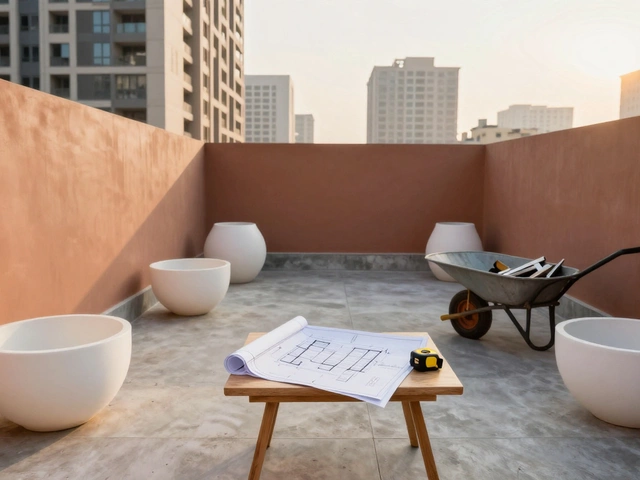
Next, consider the structural limits. Balconies are cantilevered structures, meaning they stick out from the building and can only support so much weight. Wet soil is heavy-a standard 5-gallon pot filled with saturated potting mix can weigh over 40 pounds. Check your building’s guidelines if you’re unsure, but generally, spreading the weight across multiple smaller pots is safer than using one massive planter. Finally, look at the wind factor. High-rise balconies can be windy, which dries out soil quickly and can snap delicate branches. You may need windbreaks, such as trellises covered in climbing plants or simple fabric screens, to protect your harvest.
Choosing the Right Fruit Varieties
The biggest mistake beginners make is trying to grow full-sized fruit trees in small pots. This leads to stunted growth and poor yields. Instead, focus on plants bred specifically for container life. Here are the best performers for balcony gardens:
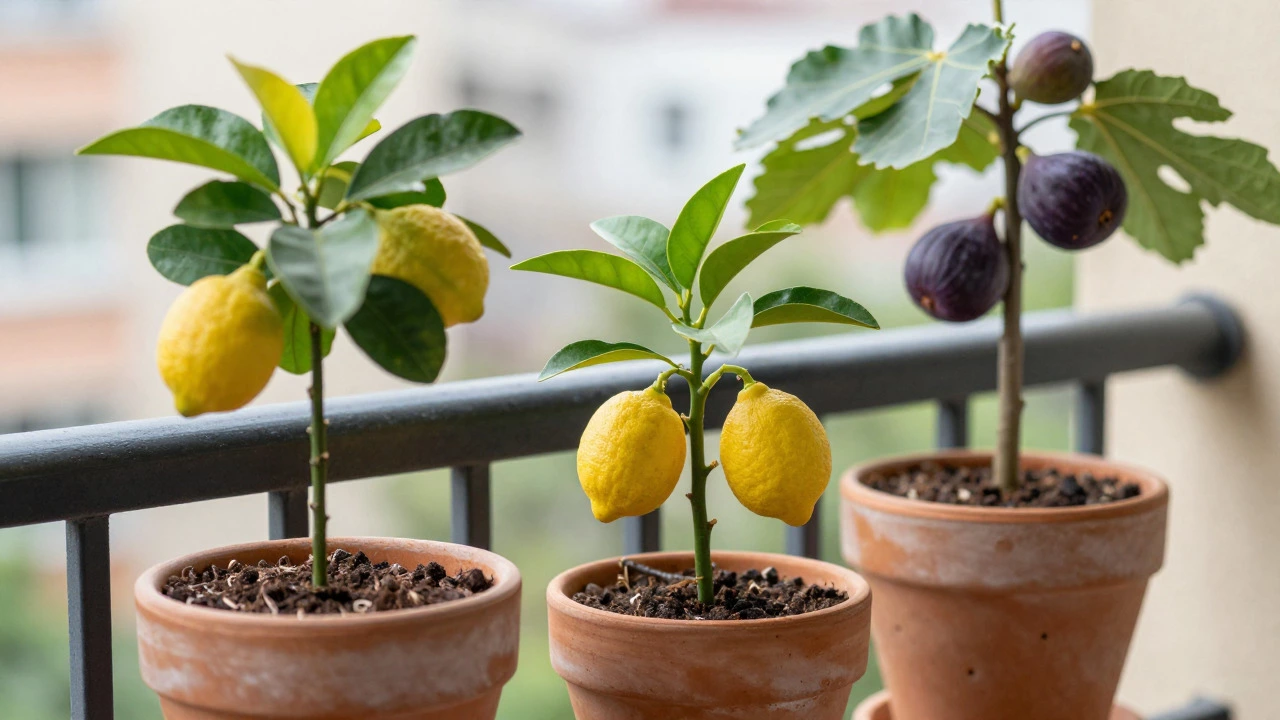
- Dwarf Citrus Trees: Varieties like Meyer Lemon, Calamondin Orange, and Key Lime are compact and thrive in pots. They love heat and sun, making them perfect for south-facing balconies. These trees also offer the bonus of fragrant flowers and glossy green foliage year-round.
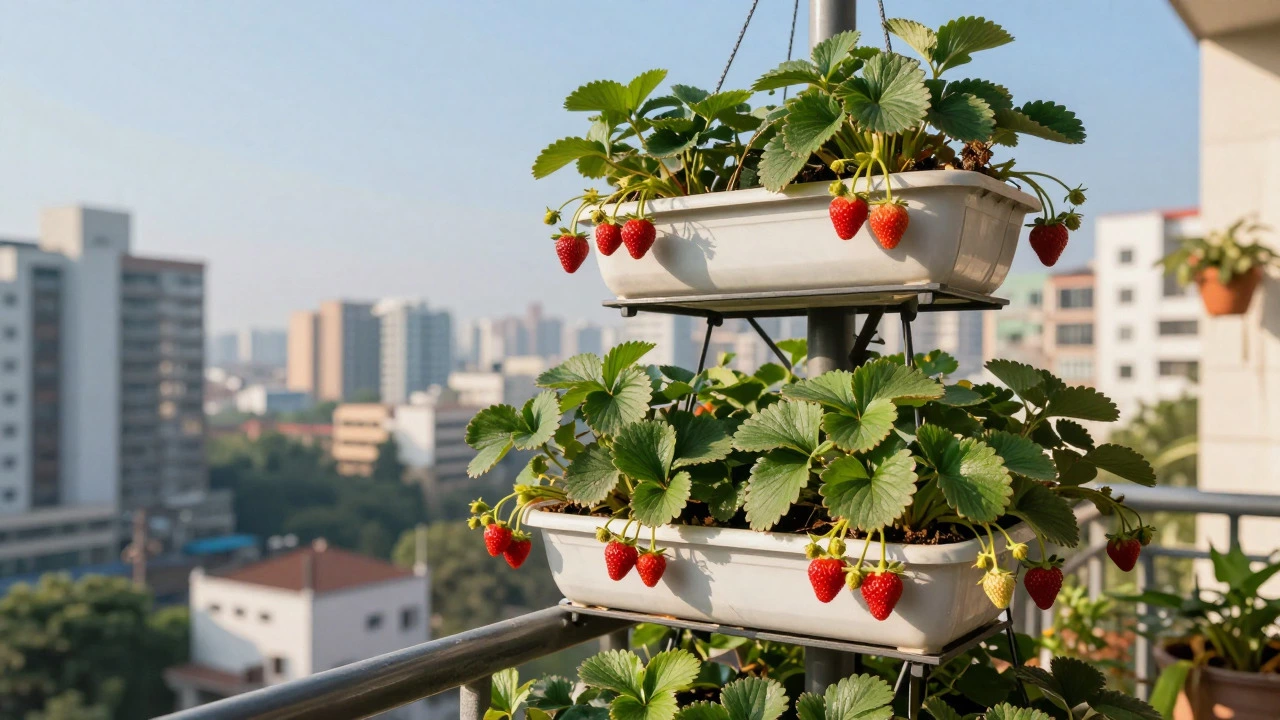
- Strawberries: Specifically, day-neutral or everbearing varieties like 'Albion' or 'Seascape'. Unlike June-bearing types, these produce fruit continuously throughout the warm season. They are lightweight, easy to manage, and can even be grown in hanging baskets or vertical towers to save floor space.
- Blueberries: Look for low-bush varieties like 'Northblue' or 'Patriot'. Blueberries have specific needs-they require acidic soil (pH 4.5-5.5) and consistent moisture. However, they are relatively small and fit well in medium-sized containers.
- Dwarf Apple and Pear Trees: Grafted onto rootstocks like M9 or Quince C, these trees stay under 6 feet tall. They need more space than berries but can still fit in large 15-20 gallon pots. Ensure you choose self-pollinating varieties or plant two different compatible types if space allows.
- Figs: Dwarf fig varieties like 'Little Miss Figgy' are incredibly resilient. They tolerate drought once established and produce sweet fruit in late summer. Figs are excellent for beginners because they are less prone to pests than other fruits.
Selecting Containers and Soil
The container you choose dictates the health of your plant. Plastic pots are lightweight and retain moisture well, making them ideal for upper-floor balconies where weight is a concern. Ceramic or terracotta pots look beautiful and provide better drainage, but they are heavy and dry out faster. Whichever material you pick, ensure it has adequate drainage holes. Without them, water will pool at the bottom, leading to root rot-a common killer of container plants.
Never use garden soil from your yard or local parks. It compacts too easily in pots, suffocating roots. Instead, use a high-quality potting mix designed for containers. For acid-loving plants like blueberries, add peat moss or pine bark fines to lower the pH. For citrus and figs, a general-purpose organic potting mix with added perlite for aeration works best. Consider mixing in slow-release organic fertilizer at planting time to give your fruit trees a strong start.
Watering and Feeding Strategies
Container plants live on the edge. Their roots are confined, so they run out of water and nutrients much faster than ground-planted trees. The "finger test" is your best friend here: stick your finger about an inch into the soil. If it feels dry, it’s time to water. Water deeply until it runs out of the drainage holes, ensuring the entire root ball gets hydrated. In hot weather, you might need to water daily, sometimes twice a day.
Fertilization is equally critical. Since watering leaches nutrients away, you must replenish them regularly. Use a balanced liquid fertilizer every two weeks during the growing season (spring through early fall). For fruit trees, switch to a fertilizer higher in potassium and phosphorus once flowering begins to encourage fruit set rather than just leafy growth. Avoid high-nitrogen fertilizers late in the season, as they promote tender new growth that won’t survive winter freezes.
Pollination Challenges in Small Spaces
In a backyard, bees and wind do the work of pollination naturally. On a balcony, insect activity might be lower, especially if you’re high up. This is where manual intervention helps. For strawberries and blueberries, gentle shaking of the plant when flowers are open can help distribute pollen. For larger trees like apples or pears, you can hand-pollinate using a small soft brush to transfer pollen between blooms. Alternatively, attract pollinators by planting companion flowers like marigolds, lavender, or borage near your fruit plants. These blooms draw bees and butterflies to your balcony, boosting your yield significantly.
| Fruit Type | Sun Requirement | Pot Size Min. | Difficulty Level | Special Needs |
|---|---|---|---|---|
| Strawberries | Full Sun (6+ hrs) | 1 gallon per plant | Easy | Consistent moisture |
| Meyer Lemon | Full Sun (8+ hrs) | 5 gallons | Medium | Bring indoors in winter if below 40°F |
| Blueberries | Partial to Full Sun | 3-5 gallons | Medium | Acidic soil (pH 4.5-5.5) |
| Dwarf Fig | Full Sun | 5-7 gallons | Easy | Drought tolerant once established |
| Dwarf Apple | Full Sun | 15-20 gallons | Hard | Cross-pollination needed usually |
Seasonal Care and Winter Protection
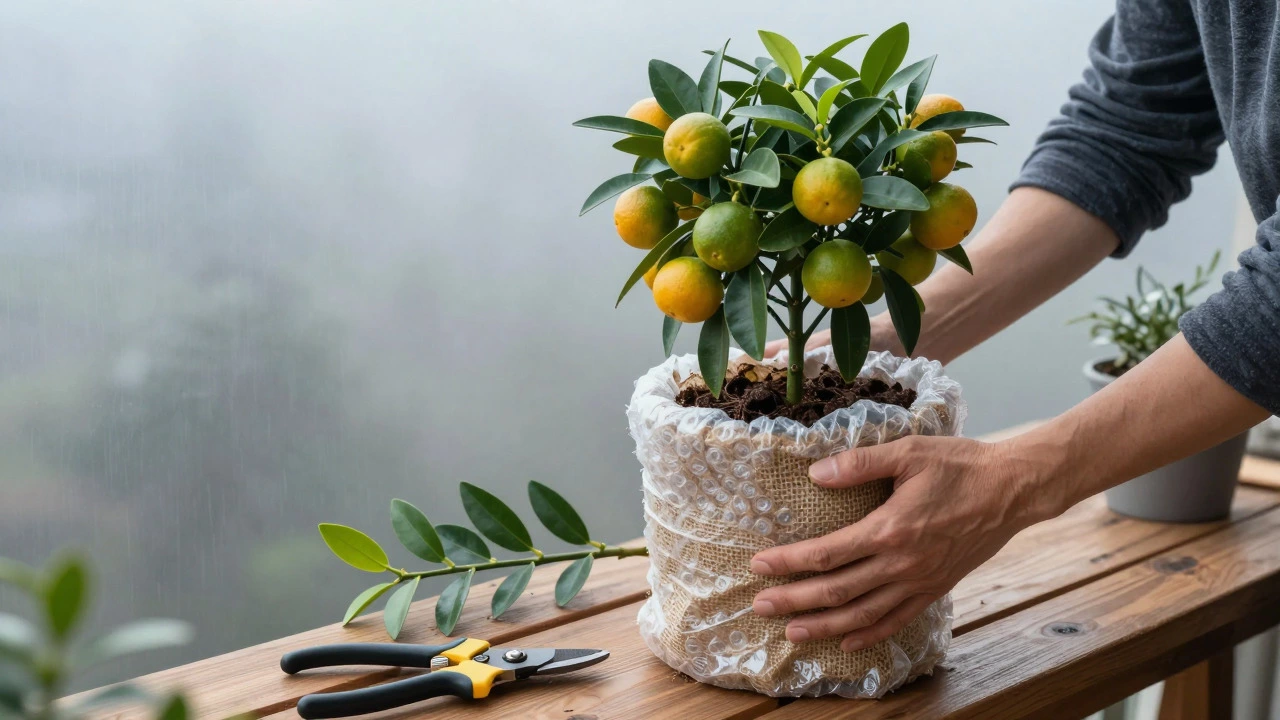
Gardening on a balcony is a year-round commitment, even if your plants go dormant. As temperatures drop, you need to protect your investment. Tender plants like citrus and figs should be moved to a garage, shed, or sunny window indoors if nighttime temperatures drop below 40°F (4°C). Hardy plants like blueberries and dwarf apples can stay outside but need protection from freezing winds. Wrap the pots in bubble wrap or burlap to insulate the roots, as frozen soil expands and can crack containers while damaging root systems.
Pruning is another essential seasonal task. In late winter, before new growth starts, prune dead or crossing branches. This opens up the canopy for better air circulation and light penetration, which reduces disease risk and improves fruit quality. Don’t be afraid to cut back-fruit trees respond well to pruning, and keeping them small ensures they remain manageable on your balcony.
Troubleshooting Common Issues
Even with the best care, problems arise. Yellowing leaves often indicate overwatering or nutrient deficiency. If the tips of the leaves are brown and crispy, the air might be too dry or the plant isn’t getting enough water. Pests like aphids and spider mites love stressed plants. Inspect the undersides of leaves regularly. If you see infestations, spray the plants with a strong jet of water or use neem oil, which is safe for edible crops. Remember, prevention is easier than cure. Healthy, well-fed plants resist pests better than weak ones.
Another common issue is fruit drop. If your tree sets fruit but then drops it prematurely, it might be due to inconsistent watering, lack of pollination, or the plant simply being overloaded. Thinning the fruit early in the season-removing some blossoms or young fruits-ensures the remaining ones grow larger and sweeter. It’s painful to remove potential food, but it guarantees a better harvest later.
Getting Started: Your Action Plan
Ready to transform your balcony? Start small. Pick one or two varieties that match your sun exposure and skill level. Strawberries and dwarf citrus are great first projects. Buy high-quality pots with drainage, fill them with appropriate soil, and place them in the sunniest spot available. Water consistently, feed regularly, and enjoy the process. Growing fruit on a balcony isn’t just about the harvest; it’s about the daily connection to nature, the joy of watching buds turn into blossoms, and the satisfaction of eating something you grew yourself. With a little effort, your balcony can become a lush, productive oasis in the heart of the city.
Can I grow fruit trees in small pots?
Yes, but you must choose dwarf or semi-dwarf varieties grafted onto specific rootstocks. Standard fruit trees will outgrow small pots quickly, leading to poor health and low yields. Look for varieties labeled "dwarf" or "patio-friendly," such as Meyer Lemons or Little Miss Figgy, which are bred to stay compact in containers ranging from 5 to 15 gallons.
How much sunlight does a balcony fruit garden need?
Most fruit plants require at least 6 to 8 hours of direct sunlight daily to produce fruit effectively. South-facing balconies are ideal in the Northern Hemisphere. If your balcony gets less than 4 hours of sun, focus on shade-tolerant berries like strawberries or consider growing herbs instead, as most fruit trees will struggle to flower and fruit without sufficient light.
What is the best soil for container fruit plants?
Use a high-quality, well-draining potting mix specifically formulated for containers. Avoid garden soil, which compacts and drains poorly. For acid-loving plants like blueberries, amend the mix with peat moss to lower the pH. Adding perlite or vermiculite improves aeration, preventing root rot and ensuring healthy root development.
Do I need to pollinate balcony fruit plants manually?
Not always, but it helps. Insects may visit your balcony, but their numbers might be lower than in a garden. For self-fertile varieties like many strawberries and Meyer lemons, natural pollination often suffices. However, gently shaking the plant or using a small brush to transfer pollen can significantly increase fruit set, especially for apples, pears, and blueberries.
How do I protect my balcony fruit plants in winter?
Tender plants like citrus and figs should be moved indoors to a cool, bright location if temperatures drop below 40°F. Hardy plants can stay outside but need protection. Wrap pots in bubble wrap or burlap to insulate roots against freezing. Reduce watering during dormancy, as plants take up less water in cold weather, preventing root rot.