Terrace Garden Weight & Mix Calculator
Ensure your plants don't exceed your roof's safety limits.
Create a custom recipe to reduce weight while retaining moisture.
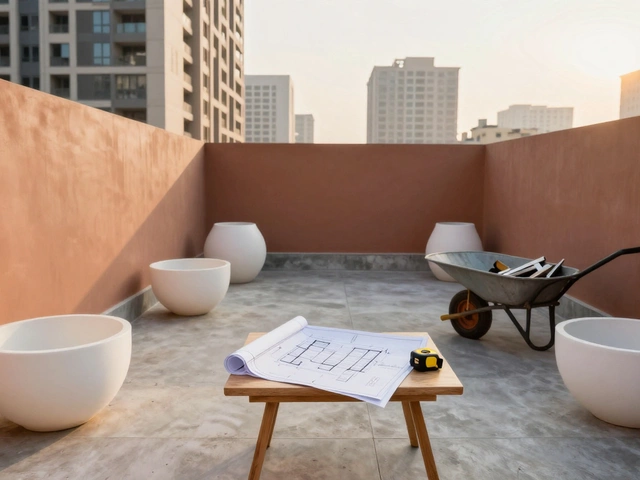
Standing on your empty rooftop or balcony, you probably see wasted space. I see a potential sanctuary. But before you rush out to buy every plant that catches your eye, stop. A terrace is not just an outdoor room; it is a harsh environment. It gets hotter, windier, and drier than the ground below. If you treat it like a backyard garden, your plants will die within weeks.
Preparing a terrace garden requires a specific strategy focused on weight management, water retention, and structural safety. You aren't just planting flowers; you are engineering a micro-climate. This guide walks you through the practical steps to turn that concrete slab into a thriving green space without compromising your building's integrity.
Assessing Your Space and Structural Limits
The first mistake people make is ignoring the building itself. Before you move a single pot, you need to understand what your roof can handle. Soil is heavy, especially when wet. A cubic foot of saturated soil can weigh up to 100 pounds (45 kg). If you fill large raised beds with standard garden soil, you risk structural damage.
Check your lease or consult a structural engineer if you own the property. Most residential terraces have load-bearing limits ranging from 30 to 50 pounds per square foot for live loads. To stay safe:
- Use lightweight containers: Opt for fiberglass, resin, or high-density polyethylene (HDPE) pots instead of ceramic or stone.
- Avoid deep soil beds: Keep soil depth to 6-12 inches unless the structure is reinforced.
- Distribute weight evenly: Place heavier planters near load-bearing walls or columns, not in the center of the span.
Also, consider the access route. Can you carry a 20-gallon pot up the stairs? If not, plan for modular systems or smaller pots that fit through doors and elevators. Logistics matter as much as botany here.
Managing Wind and Sun Exposure
Terraces are exposed. On the ground, buildings and trees buffer the wind. Up top, you’re in the open. Strong winds dry out foliage rapidly and can knock over tall plants. In Manchester, where we get plenty of rain and gusts, this is a daily challenge. Even in sunnier climates, the "chimney effect" of surrounding buildings creates unpredictable air currents.
To combat this, create windbreaks. You don’t need expensive fencing. Simple solutions work best:
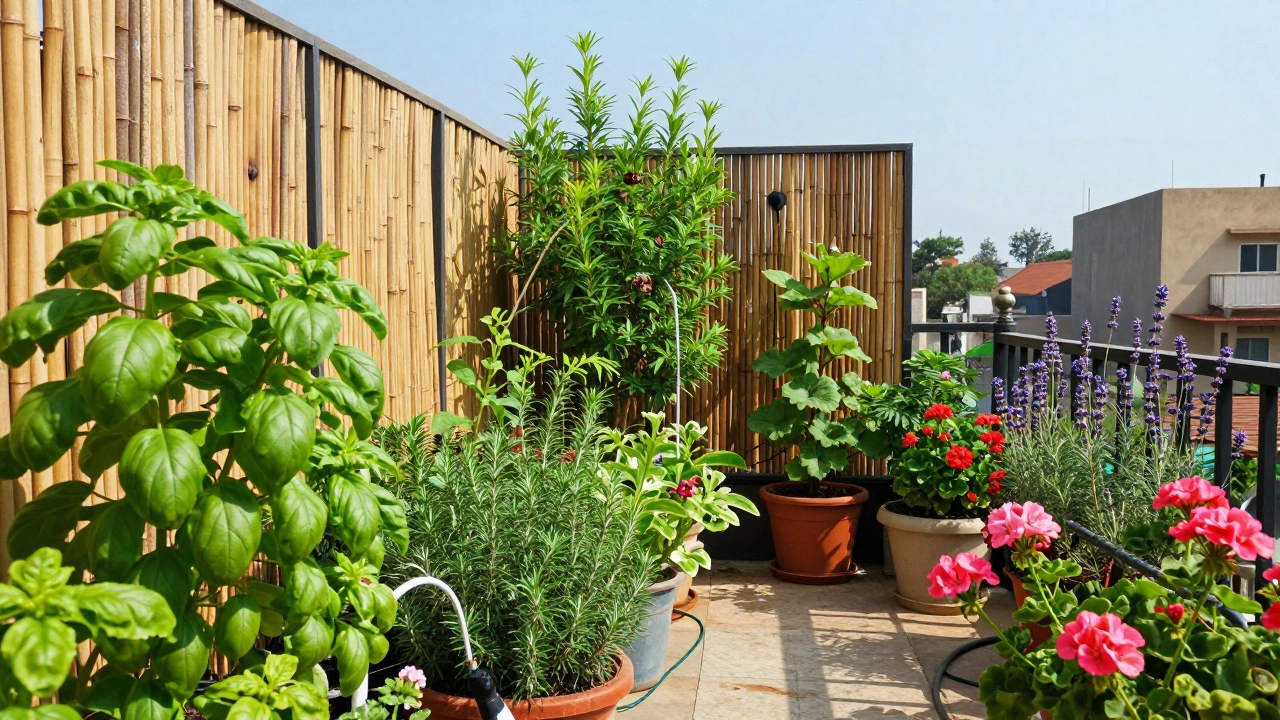
- Bamboo screens: They allow airflow while breaking the wind’s force.
- Climbing plants: Train ivy or clematis along railings to act as a natural barrier.
- Low-profile planting: Keep taller plants anchored securely and place shorter, hardy herbs in the windiest corners.
Sun exposure is equally critical. South-facing terraces in the Northern Hemisphere receive intense direct sunlight all day. This means faster evaporation and higher temperatures. North-facing spaces are cooler and shadier, requiring shade-tolerant species like ferns or hostas. Observe your space for a week. Note where the sun hits at noon and where shadows fall in the evening. This map dictates your plant selection.
Creating the Right Growing Medium
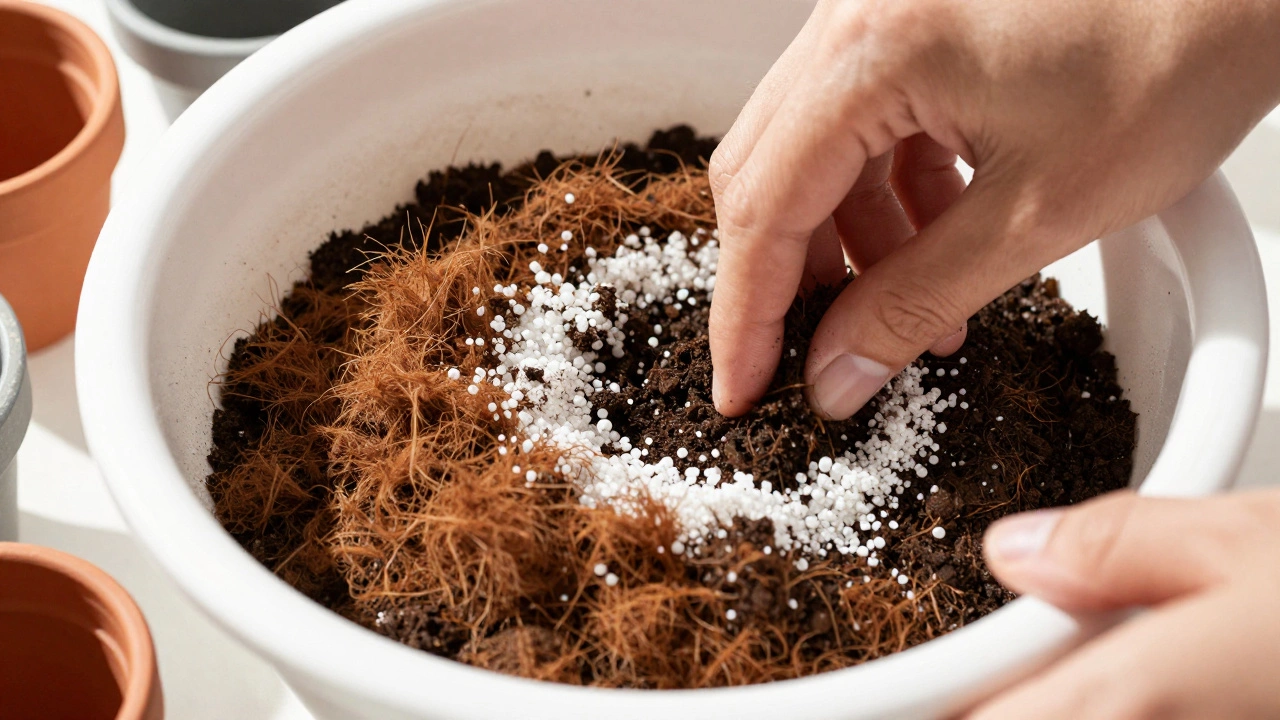
Never use straight garden soil on a terrace. It compacts, drains poorly, and becomes too heavy. Instead, build a custom potting mix. The goal is a medium that holds moisture but allows excess water to escape quickly. Poor drainage leads to root rot, which is the number one killer of container plants.
A reliable formula for lightweight potting mix is:
- 40% Peat Moss or Coco Coir: Retains moisture and adds bulk without weight.
- 30% Perlite or Vermiculite: Improves aeration and drainage. Perlite is lighter and ideal for roofs.
- 30% Compost: Provides nutrients and beneficial microbes.
If you are using self-watering containers, you can increase the peat/coco coir ratio slightly since these systems recycle water. For traditional pots, ensure the perlite content is high enough to prevent waterlogging. Mix these ingredients thoroughly in a wheelbarrow before filling your containers. This uniform texture ensures roots grow evenly without hitting dense clumps of soil.
Selecting the Right Containers and Drainage
The container is more than just a vessel; it’s part of the irrigation system. Every pot must have drainage holes. No exceptions. Without them, water pools at the bottom, suffocating roots. If you love a decorative pot without holes, use it as a cache pot. Plant your specimen in a plastic nursery pot with holes, then slide it into the decorative one.
Material choice affects temperature regulation. Terracotta breathes, which helps prevent overwatering, but it also dries out fast. Plastic retains moisture longer but can heat up in summer, cooking roots. In hot climates, paint black plastic pots white to reflect heat. In cooler areas, dark colors help absorb warmth.
Consider the size relative to the plant. A small pot restricts root growth and dries out quickly. As a rule of thumb, choose a pot that is 2-4 inches wider than the plant’s current root ball. This gives roots room to expand while maintaining manageable soil volume for watering.
Irrigation Strategies for Rooftops
Watering on a terrace is physically demanding. Carrying buckets up flights of stairs is exhausting and inefficient. Automate your watering if possible. Drip irrigation kits are affordable and easy to install. They deliver water directly to the root zone, minimizing evaporation loss caused by wind and sun.
If automation isn’t an option, group plants with similar water needs together. This "hydrozoning" approach saves time. Water-loving herbs like basil and mint go in one cluster; drought-tolerant succulents or lavender in another. Water early in the morning or late in the evening to reduce evaporation. Midday watering wastes up to 50% of the water to immediate evaporation.
Install saucers under pots to catch runoff, but empty them regularly. Standing water in saucers breeds mosquitoes and encourages fungal diseases. Alternatively, use self-draining pots that channel excess water away from the root zone entirely.
Choosing Resilient Plants
Not all plants thrive in containers. Avoid deep-rooted vegetables like carrots or parsnips unless you have very deep planters. Focus on shallow-rooted crops and ornamentals. Here are reliable choices for most terraces:
| Plant Type | Examples | Why It Works |
|---|---|---|
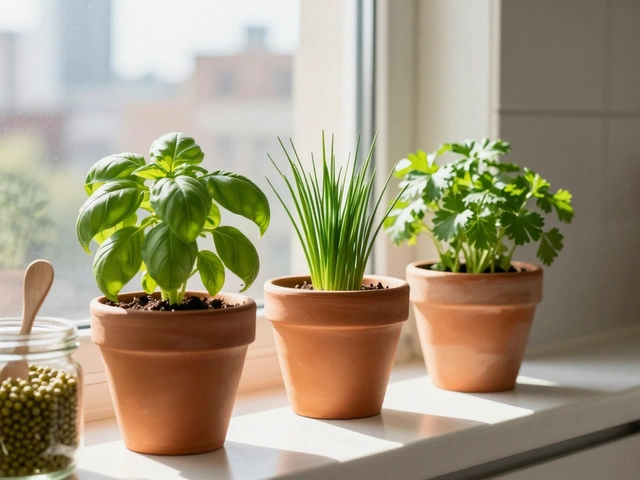
| Herbs | Basil, Thyme, Rosemary | Shallow roots, aromatic, pest-repellent |
| Leafy Greens | Lettuce, Spinach, Kale | Fast-growing, harvestable in stages |
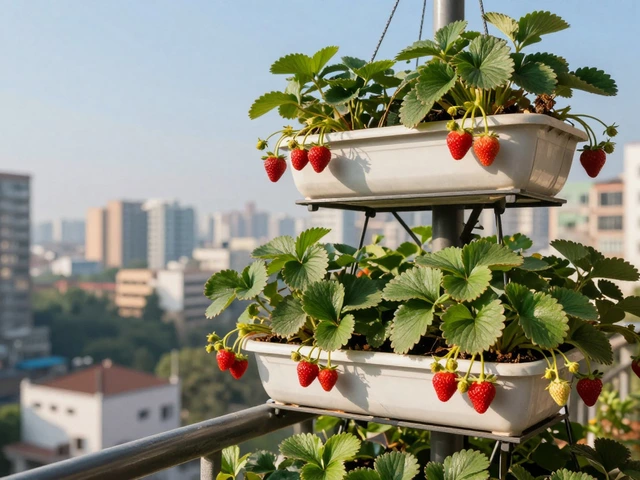
| Compact Vegetables | Cherry Tomatoes, Bush Beans | Breeds selected for container life |
| Ornamentals | Sedum, Lavender, Geraniums | Drought-tolerant, low maintenance |
For beginners, start with herbs and leafy greens. They provide quick rewards and teach you about watering rhythms. Once you master those, try compact fruiting plants. Always buy healthy, disease-free starts from reputable nurseries. Weak plants struggle against terrace stressors.
Maintenance and Seasonal Care
A terrace garden demands regular attention. Check soil moisture weekly by sticking your finger an inch into the soil. If it feels dry, water deeply. Fertilize every 4-6 weeks with a balanced liquid fertilizer. Container plants deplete nutrients faster than ground plants because rain leaches them away.
In winter, protect your setup. Frost kills tender plants and freezes water in pipes. Move potted tropicals indoors or cover them with frost cloth. Insulate pots with bubble wrap to prevent cracking from freeze-thaw cycles. Clear debris from drains to prevent ice dams.
Prune regularly to maintain shape and encourage new growth. Deadheading flowers prevents energy waste on seed production. Remove yellow leaves immediately to spot pests early. Aphids and whiteflies love the warm, humid microclimates of terraces. Use neem oil or insecticidal soap at the first sign of infestation.
Can I put real soil on my terrace?
No. Real garden soil is too heavy and compacts easily in containers, leading to poor drainage and root rot. Use a lightweight potting mix designed for containers.
How often should I water terrace plants?
It depends on weather and plant type. In summer, you may need to water daily. Check soil moisture daily by feeling the top inch. Water when it feels dry.
Is it safe to build a vegetable garden on a roof?
Yes, if you manage weight and drainage. Use lightweight containers and avoid deep soil beds. Ensure the roof structure can support the load, especially when wet.
What plants survive wind on a terrace?
Choose flexible, low-growing plants like thyme, sedum, and creeping rosemary. Secure taller plants with stakes or trellises. Avoid tall, top-heavy varieties.
Do I need special permits for a terrace garden?
Check local regulations and building rules. Some areas restrict permanent structures or require waterproofing guarantees. Always consult your landlord or HOA first.