Compost Ratio Calculator
Balance Your Compost
Find the ideal balance between nitrogen-rich greens and carbon-rich browns for healthy compost.
Your Ratio
Composting Health
Most people think composting is complicated. They picture messy piles, smelly bins, and hours of labor. But if you’re just starting out, you don’t need a fancy system or a huge yard. You just need a few basic things, a little patience, and some kitchen scraps. Composting turns food waste into rich, dark soil that your plants will love. It’s free, it reduces trash, and it’s one of the easiest ways to improve your garden.
What Is Compost, Really?
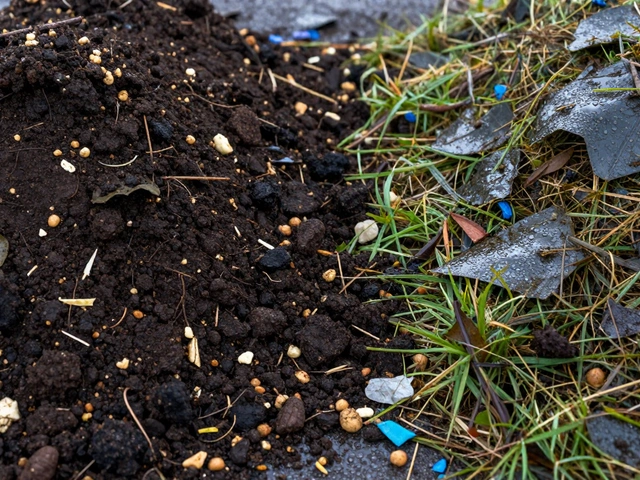
Compost is decayed organic matter. It’s not dirt. It’s not fertilizer. It’s a living, breathing mix of broken-down leaves, food scraps, and other natural materials. When you add it to soil, it feeds the tiny organisms that help plants grow. Healthy compost smells like a forest after rain - earthy and fresh. If it stinks, something’s wrong. If it’s dry and crumbly, you’re on track.
Good compost has three main ingredients: greens, browns, and water.
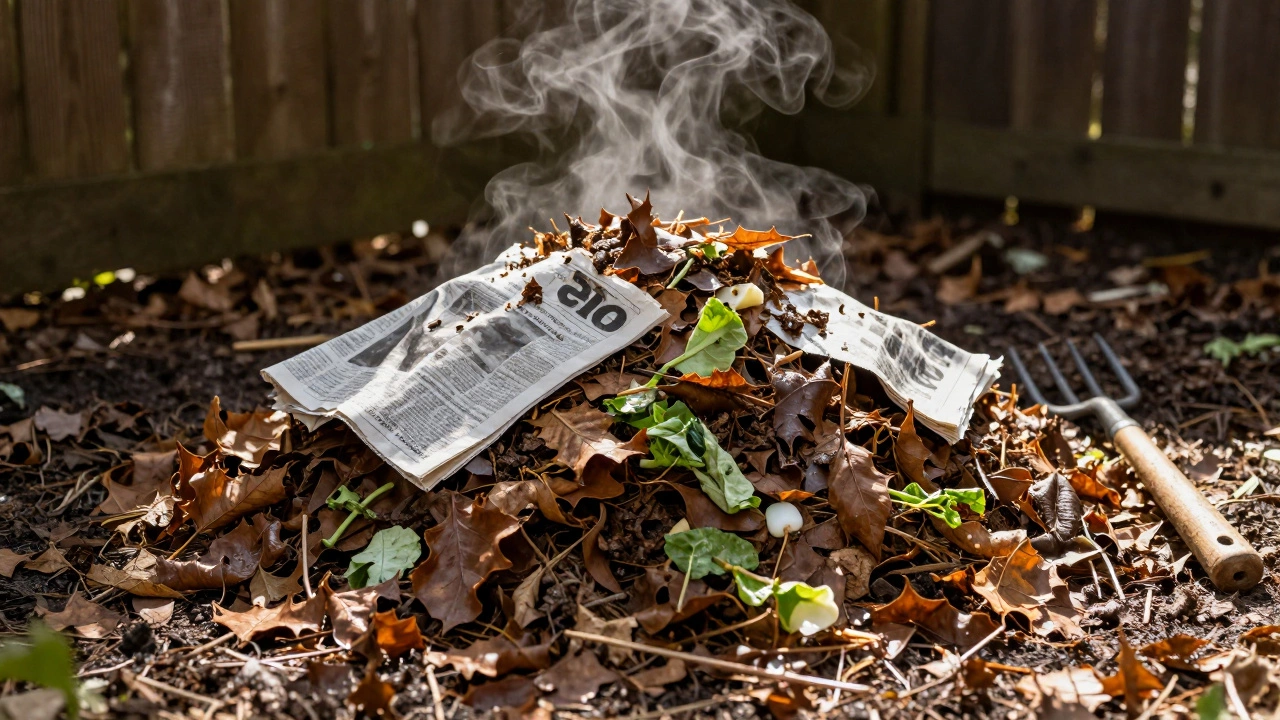
- Greens - These are nitrogen-rich materials: fruit and vegetable scraps, coffee grounds, tea bags, fresh grass clippings, and plant trimmings.
- Browns - These are carbon-rich materials: dry leaves, straw, shredded newspaper, cardboard, sawdust, and small twigs.
- Water - The pile should feel like a damp sponge. Not soggy. Not dusty.
The magic happens when these three mix in the right balance. Too many greens? It turns slimy and smells. Too many browns? It doesn’t break down. The sweet spot is about 3 parts browns to 1 part greens by volume.
Where to Put Your Compost
You don’t need a fancy bin. But having some kind of container helps keep things tidy and speeds up the process. Here are three simple options:
- Open pile - Just a heap in a corner of your yard. Works fine if you don’t mind looking at it. Good for big yards.
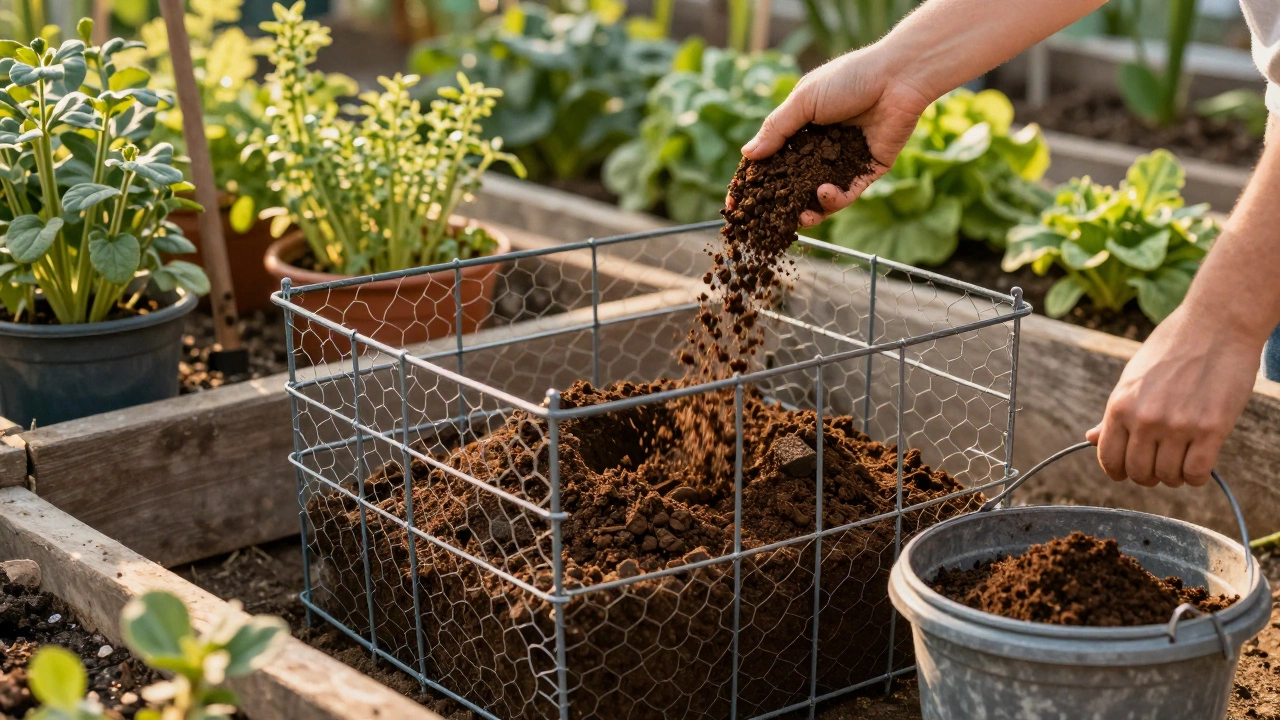
- Wire bin - Make one with chicken wire or hardware cloth. It’s cheap, easy to build, and lets air flow through.
- Plastic compost bin - These are the ones you buy from garden centers. They look neat, keep pests out, and often have a lid and a bottom hatch for pulling out finished compost. Great for small gardens or balconies.
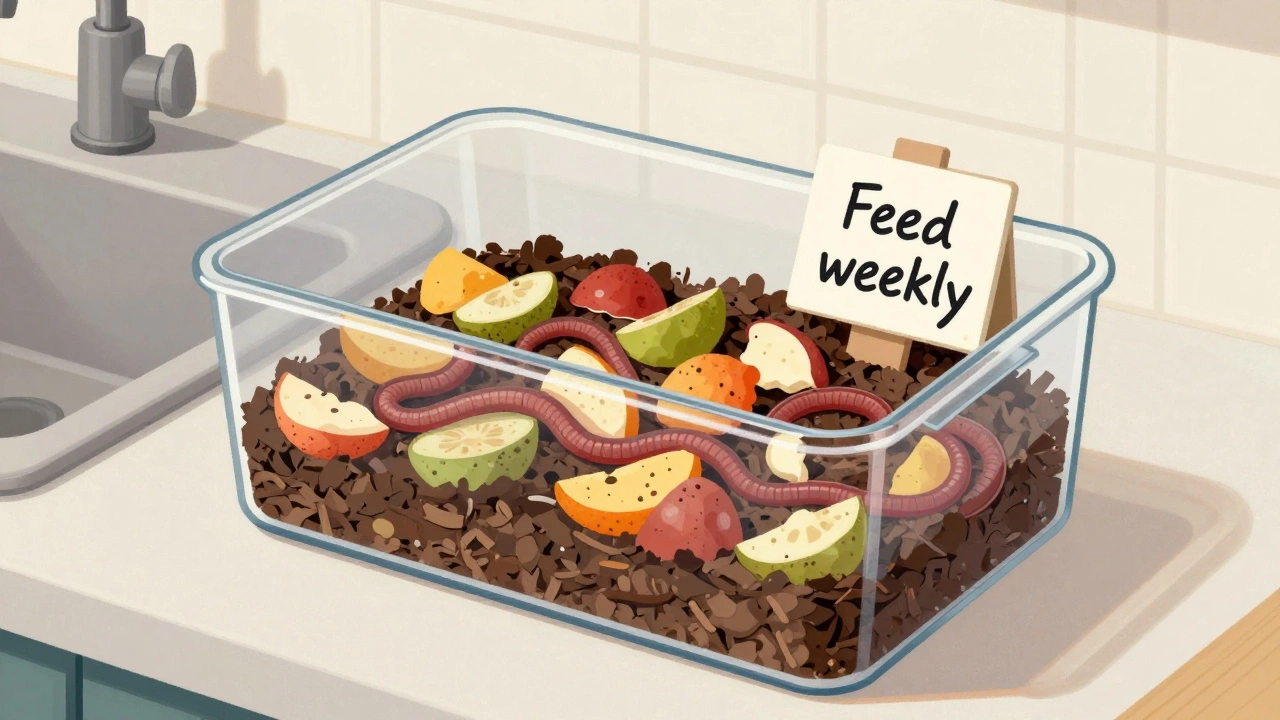
If you live in an apartment or have no outdoor space, you can still compost. Try a worm bin (vermicomposting) under your sink. Red wiggler worms eat food scraps and turn them into nutrient-rich castings. It’s odorless if you feed them right.
What You Can and Can’t Compost
Not everything goes in the pile. Here’s a simple list:
✅ Safe to Compost
- Fruit and vegetable scraps (peels, cores, ends)
- Coffee grounds and paper filters
- Tea bags (remove staples if there are any)
- Crushed eggshells
- Grass clippings (thin layers only)
- Leaves (shredded helps)
- Cardboard (torn into small pieces)
- Newspaper (non-glossy, black-and-white print)
- Houseplant trimmings
❌ Keep Out
- Meat, fish, and dairy - they attract rats and raccoons
- Fats, oils, and grease - they slow decomposition and smell bad
- Coal or charcoal ash - contains harmful chemicals
- Diseased plants - they can spread pathogens
- Pet waste - contains harmful bacteria
- Glossy or coated paper - plastics and chemicals don’t break down
Some things are optional. Bread? Yes, but bury it deep to avoid ants. Citrus peels? Fine, but in small amounts - they’re acidic. Onions and garlic? Okay, but chop them up so they break down faster.
How to Start Your Compost Pile
Here’s how to get going in under 10 minutes:
- Choose your spot. Pick a dry, shady corner. Not in full sun - it dries out too fast. Not in a low spot - water will pool.
- Layer the base. Start with 4-6 inches of browns: dry leaves, shredded cardboard, or straw. This lets air circulate from the bottom.
- Add greens. Throw in a layer of food scraps. Don’t dump it all at once. A cup or two per day is fine.
- Cover with browns. After each addition of food, sprinkle a handful of dry leaves or shredded paper on top. This hides the smell and keeps flies away.
- Moisten it. Pour a little water over the pile. It should feel like a wrung-out sponge.
- Stir it once a week. Use a garden fork or shovel to turn the pile. This adds oxygen and speeds up decay.
You don’t need to turn it every day. In fact, if you’re just starting, turning it once every 7-10 days is enough. The microbes doing the work don’t mind a little rest.
How Long Does It Take?
Most beginners expect compost to be ready in a month. Reality? It usually takes 3-6 months. But you can speed it up.
Here’s what affects speed:
- Size - Smaller pieces break down faster. Chop scraps, shred cardboard.
- Temperature - Warm piles work faster. In spring and summer, you’ll see results quicker. Winter slows things down - that’s normal.
- Aeration - Turning the pile every week cuts time in half.
- Balance - If you keep greens and browns in the right ratio, you won’t have odors or slow spots.
When it’s ready, your compost will look like dark, crumbly soil. It won’t smell like food. It won’t have recognizable bits of banana peel or eggshell. Just rich, dark material. That’s when you use it.
How to Use Finished Compost
Don’t wait until you have a wheelbarrow full. Start using it as soon as you have a few cups.
- For potted plants - Mix 1 part compost with 3 parts potting soil. It gives nutrients without overloading.
- For vegetable beds - Spread a 1-2 inch layer on top in early spring. Gently work it into the topsoil. No need to dig deep.
- For lawns - Sift compost through a screen and sprinkle it lightly over grass. It helps grass roots grow deeper.
- For trees and shrubs - Put a ring of compost around the base, keeping it away from the trunk. Water it in.
You can also make compost tea. Steep a shovel-full in a bucket of water for 24 hours. Strain it. Use the liquid to water plants. It’s like a vitamin shot for your garden.
Common Mistakes (and How to Fix Them)
Even experienced gardeners mess up. Here are the top three beginner errors:
1. The pile smells like garbage
That means too many greens, not enough browns. Add more dry leaves, shredded paper, or cardboard. Stir it well. Cover the top. The smell should fade in a day or two.
2. The pile is dry and not breaking down
It’s probably too dry. Water it slowly. Mix it around. Add a handful of fresh grass clippings or fruit scraps. Moisture is the spark.
3. Nothing’s happening - it’s just sitting there
It might be too cold, too dry, or too small. Try making the pile bigger - at least 3 feet wide and tall. Add more greens. Turn it. If it’s winter, cover it with a tarp to trap heat.
And if you forget to turn it for weeks? Don’t panic. Your compost will still work. It just takes longer. Composting isn’t about perfection. It’s about consistency.
Why This Matters
Every year, UK households throw away over 6 million tonnes of food waste. A third of that is compostable. If everyone made compost, we’d cut landfill use, reduce methane emissions, and create free soil for gardens. You’re not just making dirt. You’re helping the planet.
And the best part? Once you start, you’ll never look at your kitchen scraps the same way again. That banana peel? Not trash. It’s tomorrow’s tomatoes.