Compost Certification Checker
Is Your Compost Certified Organic?
Check if your compost meets organic standards for growing edible plants. Based on UK certification requirements from the article.
People often use the words compost and organic compost like they mean the same thing. But they don’t. And mixing them up can mess up your garden soil, waste your time, or even harm your plants. If you’re trying to build healthy soil without chemicals, you need to know exactly what you’re putting in the ground.
What Is Compost?
Compost is just decayed organic material. That’s it. It can come from kitchen scraps, yard waste, paper, even manure - as long as it once lived and is now breaking down. The process is natural: microbes, fungi, worms, and insects eat through leaves, coffee grounds, eggshells, and grass clippings until they turn into dark, crumbly stuff that smells like earth after rain.
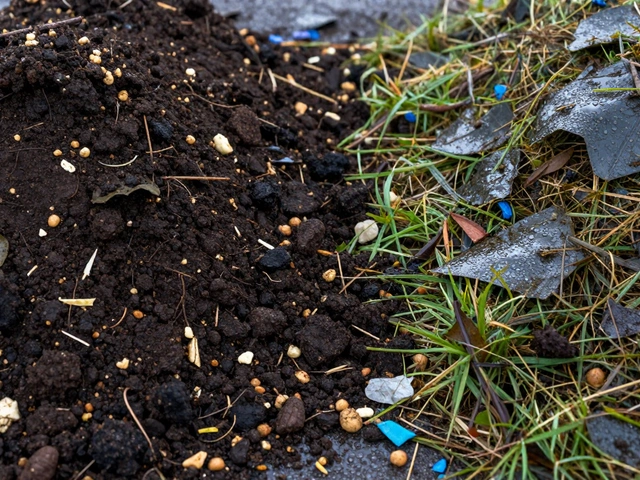
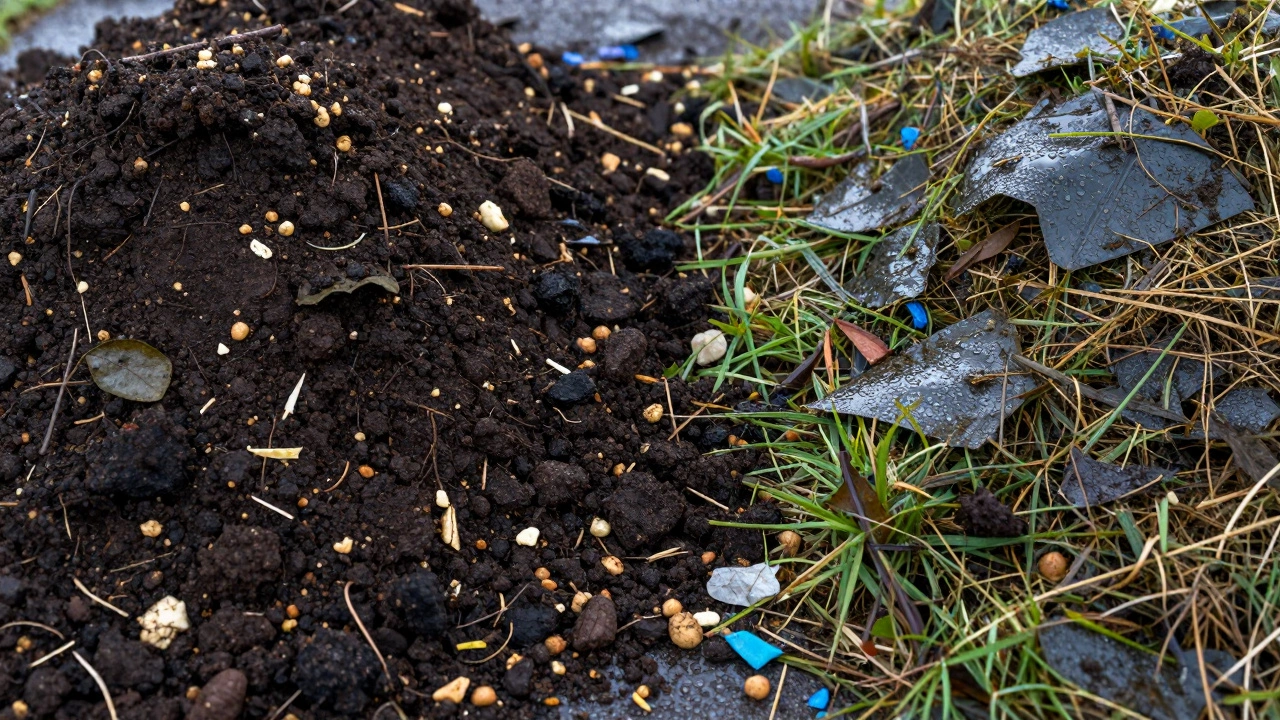
You can make compost from almost anything biodegradable. That includes things like cardboard, newspaper, and even some bioplastics labeled ‘compostable.’ But here’s the catch: those materials might not be safe for food gardens. Some compostable plastics break down in industrial facilities with high heat - not your backyard pile. And if you throw in treated wood chips, pet waste, or meat scraps, you’re not just making compost - you’re making a potential health hazard.
Compost doesn’t have to be organic. It just needs to be decomposed. A pile made from lawn clippings sprayed with herbicide last week? That’s still compost. But it’s not safe for your tomatoes.
What Is Organic Compost?
Organic compost is compost made only from materials that meet strict organic standards. That means no synthetic fertilizers, no pesticides, no sewage sludge, no genetically modified organisms. Everything in it must come from naturally grown sources.
If you’re buying certified organic compost in the UK, it should carry a label from a recognized body like the Soil Association or Organic Farmers & Growers. These certifications mean every ingredient - whether it’s cow manure from a pasture-fed herd or leaves from a tree that never saw chemical spray - has been tracked and verified.
Organic compost isn’t just about what’s in it. It’s about how it was made. Industrial compost facilities might use high heat to kill pathogens quickly, but if they used non-organic inputs, it still doesn’t count as organic. Your backyard pile? If you only added vegetable scraps from your own garden, coffee grounds from a local café that doesn’t use synthetic cleaners, and untreated grass clippings - then yes, that’s organic compost.
Why the Difference Matters
Let’s say you grow carrots. You want them sweet, crunchy, and free of chemical residues. You buy a bag labeled ‘compost’ from the garden centre. It says ‘rich in nutrients’ and costs £12. You spread it on your bed. A month later, your carrots are stunted. You check the bag again. Hidden in tiny print: ‘Contains recycled green waste from municipal collection.’
That means it could include grass clippings sprayed with weedkiller, or leaves from street trees treated with fungicide. These chemicals don’t vanish during composting. They stick around - and your carrots absorb them.
Now imagine you use certified organic compost instead. No synthetic chemicals. No hidden toxins. Your soil builds up beneficial microbes, your plants grow stronger, and your harvest is truly clean. That’s the real value.
It’s not just about food safety. Organic compost improves soil structure over time. It holds water better, resists erosion, and supports earthworm populations. Non-organic compost might feed plants short-term, but it doesn’t heal the soil the way organic matter from certified sources does.
How to Tell Them Apart
Here’s how to spot the difference when you’re buying or making compost:
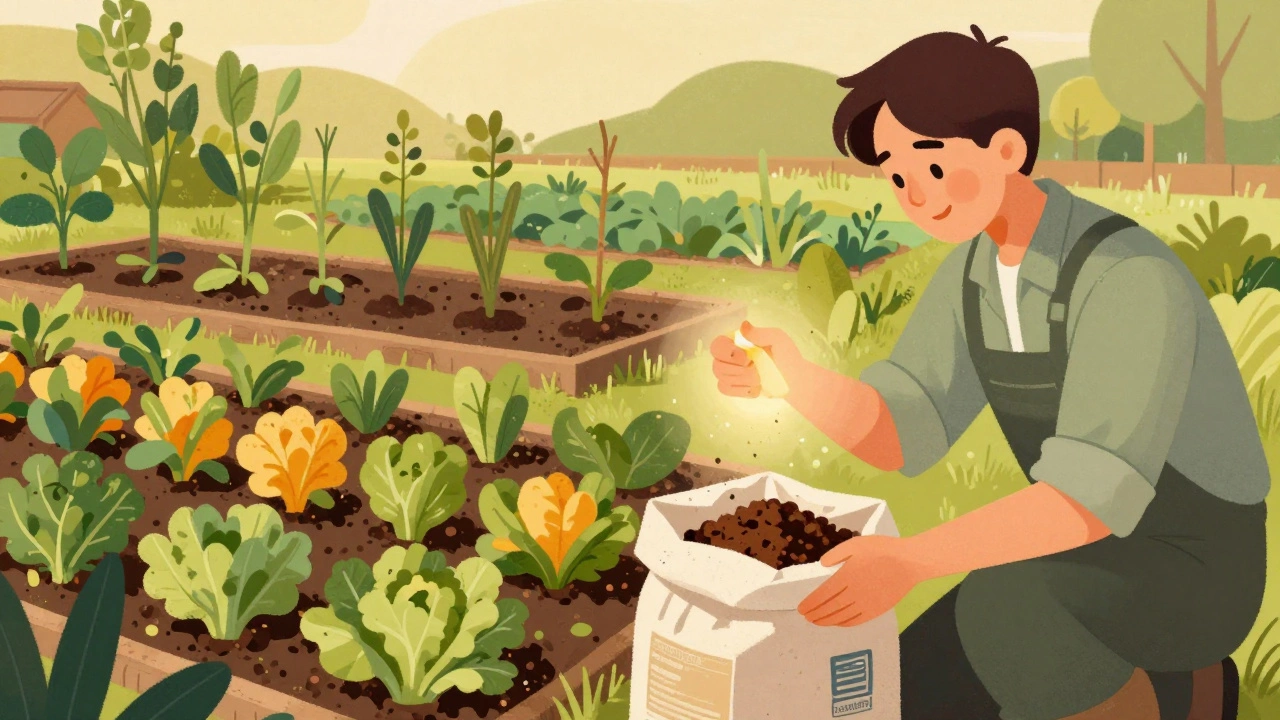
- Look for certification logos - Soil Association, Organic Farmers & Growers, or EU Organic. If it’s not there, assume it’s not organic.
- Check the ingredients list - Organic compost will list only natural inputs: ‘vegetable waste,’ ‘manure from organic farms,’ ‘wood chips from untreated timber.’ If you see ‘biosolids,’ ‘sewage sludge,’ or ‘recycled green waste,’ it’s not organic.
- Smell and texture - Good compost, organic or not, should smell earthy. But organic compost often has a richer, more complex smell - like forest floor. Non-organic compost can smell faintly chemical or sour if it was rushed or contaminated.
- Ask questions - If you’re buying in bulk from a local supplier, ask where their materials come from. Reputable organic compost producers will happily tell you.
If you’re making your own, keep a simple rule: only put in what you’d eat. No treated wood, no plastic bags, no pet waste, no lawn clippings from a sprayed lawn. Stick to fruit peels, tea bags, eggshells, garden trimmings, and clean paper. That’s how you guarantee it’s organic.
What Happens If You Mix Them?
Some gardeners think adding a little non-organic compost to their organic garden won’t hurt. But it’s like putting a drop of ink in a glass of clean water - it spreads.
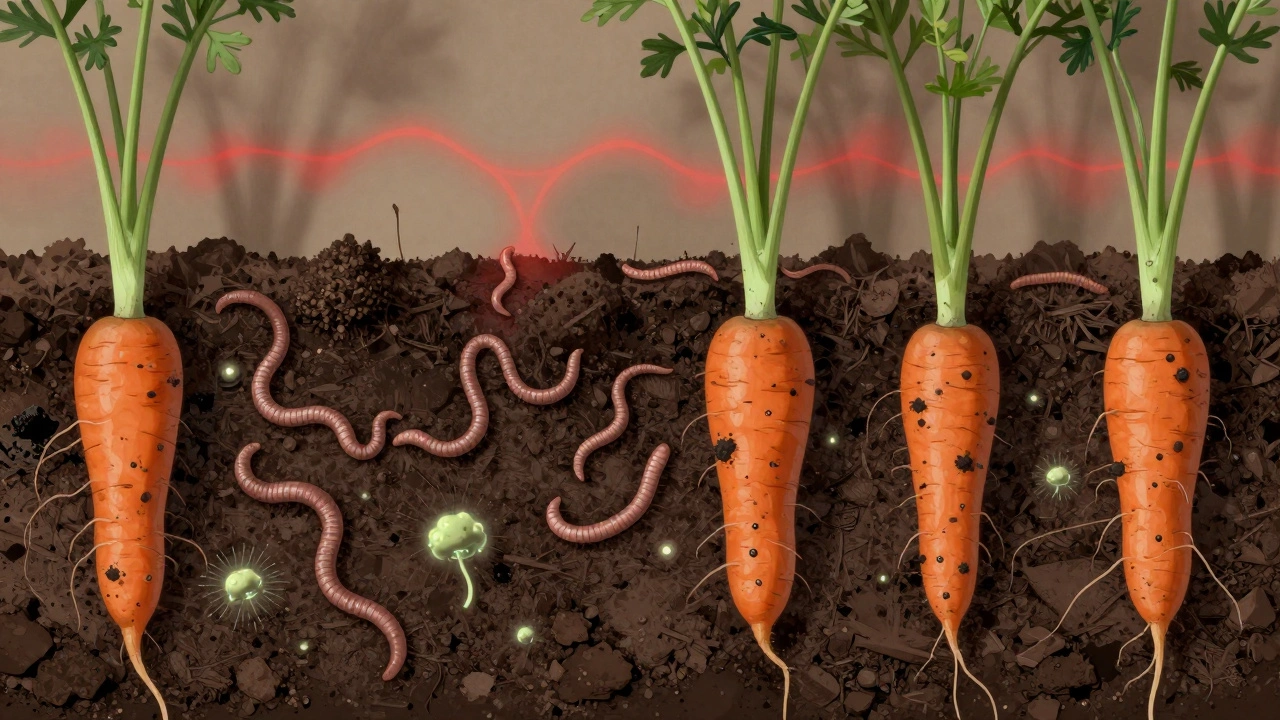
Once you introduce synthetic chemicals into your soil, they linger. They disrupt the microbial balance. Earthworms avoid areas with pesticide residues. Beneficial fungi struggle to grow. Over time, your soil becomes dependent on inputs instead of healing itself.
There’s also a certification risk. If you’re growing food to sell as organic - even just at a farmers’ market - using non-organic compost can cost you your certification. Inspectors check your inputs. They don’t care if you didn’t know. They care that you used something that wasn’t approved.
When You Can Use Regular Compost
Not every use needs organic compost. If you’re mulching around ornamental shrubs, filling a flower bed with non-edible plants, or amending soil for a hedge, regular compost is fine. It still adds structure, holds moisture, and feeds microbes.
But for vegetables, herbs, fruits, or anything you plan to eat - go organic. Your health, your soil’s long-term health, and your peace of mind are worth it.
Where to Find Real Organic Compost in the UK
Here are reliable sources if you’re not making your own:
- Soil Association certified suppliers - Look for their logo on bags or websites. Many UK farms sell compost online.
- Local council green waste programs - Some councils offer free compost, but check if it’s certified organic. Most aren’t, because they include treated green waste.
- Organic nurseries - Garden centres that specialise in organic plants usually sell certified compost too.
- Community compost hubs - In cities like Manchester, Leeds, and Bristol, community groups run composting schemes using only kitchen scraps from households that avoid pesticides. Ask around.
Don’t trust labels like ‘natural’ or ‘eco-friendly.’ Those mean nothing legally. Only certification counts.
Bottom Line
Compost is decayed stuff. Organic compost is decayed stuff you can trust. One builds soil. The other builds healthy food and healthy land.
If you care about what ends up on your plate, or if you want soil that lasts for decades - don’t settle for just compost. Go for organic compost. It’s not a luxury. It’s the baseline for real gardening.