Balcony Vegetable Gardening: Grow Fresh Veggies in Small Spaces
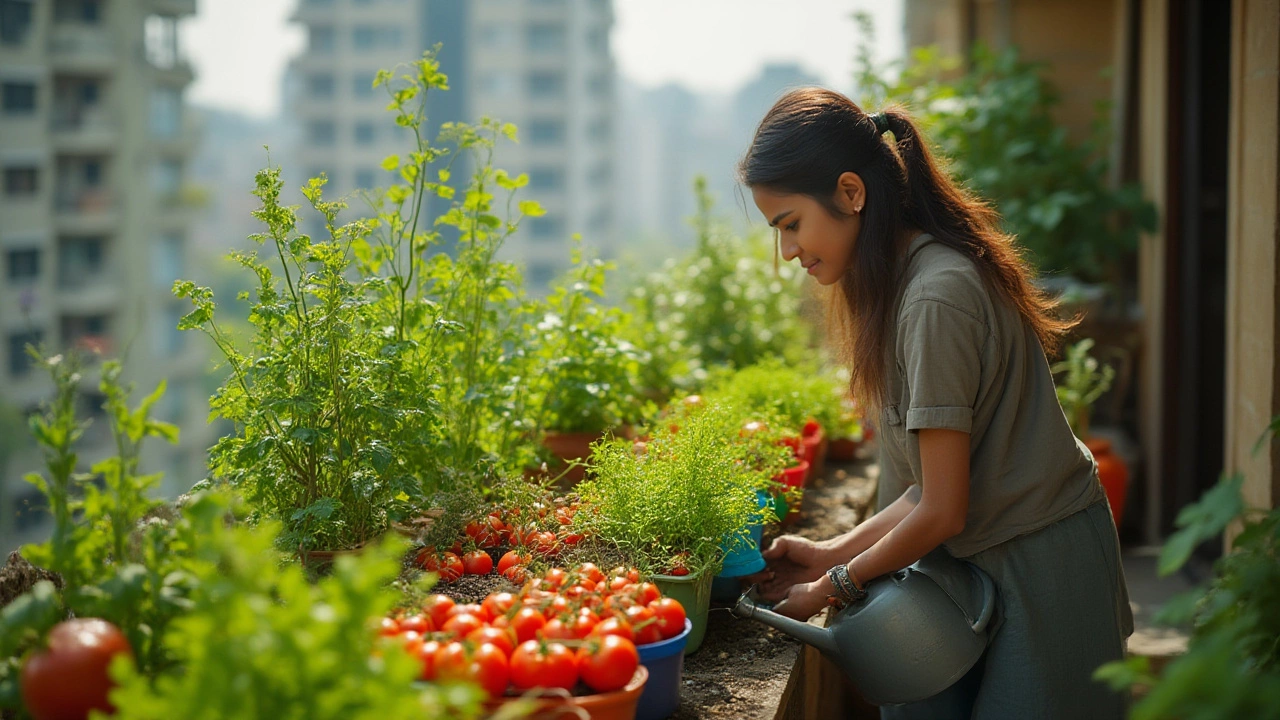
When you live in a city and don’t have a yard, balcony vegetable gardening, growing edible plants on a balcony using containers and smart space techniques. Also known as urban gardening, it’s not just a trend—it’s a practical way to eat fresher, cheaper, and greener. You don’t need a backyard to grow tomatoes, peppers, or herbs. All you need is sunlight, a few pots, and the right plants for your space.
Container gardening, growing plants in pots instead of directly in the ground. Also known as pot gardening, it’s the backbone of balcony growing. Unlike soil beds, containers dry out faster, so watering needs are different. They also limit root space, which means choosing the right size pot matters. A tomato plant needs at least a 5-gallon bucket. A lettuce plant? A 1-gallon pot works fine. And if you’re short on floor space, vertical gardening, growing plants upward on walls, trellises, or hanging systems. Also known as stacked gardening, it’s a game-changer for balconies with limited square footage. Think hanging baskets for strawberries, wall pockets for herbs, or tiered planters for peppers.
Light is the biggest make-or-break factor. Most vegetables need at least 6 hours of direct sun. If your balcony faces north, stick to leafy greens like spinach or kale. South-facing? You can grow tomatoes, eggplants, and even chili peppers. Don’t guess your sunlight—track it for a few days. A simple phone app can show you exactly when and where the sun hits your space.
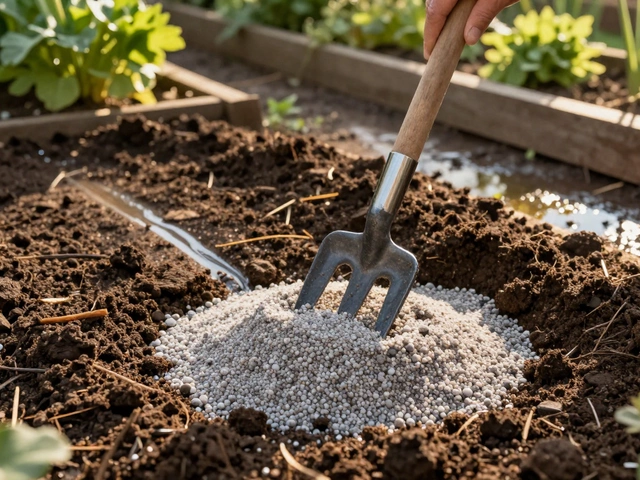
Soil matters too. Don’t use dirt from your yard—it gets compacted in pots and drowns roots. Use a lightweight potting mix with perlite or coconut coir. Add compost every few months, or make your own from kitchen scraps. You’ll save money and cut down on plastic packaging from store-bought bags.
Watering is another common mistake. Many people think daily watering is better. It’s not. Overwatering kills more plants than under-watering. Check the top inch of soil. If it’s dry, water deeply. If it’s damp, wait. Drip systems help, but so do self-watering pots or simple wicking systems made from old T-shirts and bottles.
And pests? They’re not just a garden problem—they’re a balcony problem too. Aphids, whiteflies, and spider mites love tight spaces. Neem oil is your best friend. It’s natural, safe for pets, and stops pests without killing bees. Spray it early in the morning or late in the evening.
What you can grow depends on your climate, your light, and your patience. In India, you can grow okra, brinjal, and coriander year-round in many regions. In cooler cities, focus on cold-tolerant crops like cabbage, radishes, and peas. Seasonal planting isn’t optional—it’s essential.
There’s no magic formula. But there are proven methods. You’ll find them below. We’ve collected real tips from people who’ve turned tiny balconies into food factories. You’ll learn which vegetables give the biggest harvest for the least effort. Which pots last the longest. How to avoid the mistakes most beginners make. And how to keep your garden alive through summer heat and monsoon rains.
Need fresh veggies but only got a balcony? Discover how you can grow, harvest, and enjoy homegrown vegetables from small spaces with real, practical tips.