Compost: The Secret to Rich Soil and Healthier Plants
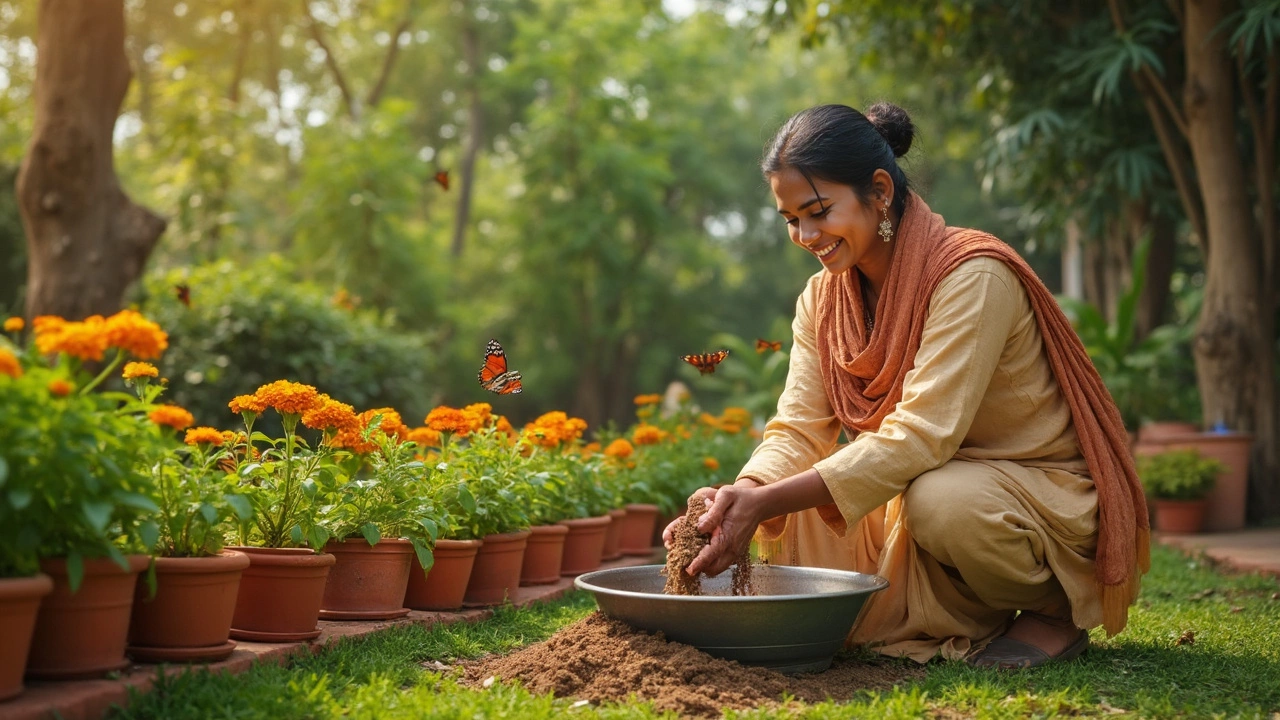
When you turn food scraps into compost, a natural, nutrient-rich material made from decomposed organic matter. Also known as black gold, it’s the foundation of healthy soil that lets plants grow strong without synthetic fertilizers. Most people think compost is just for farmers or big gardens, but it works just as well on balconies, terraces, and even small pots. In India’s varied climates—from dry Rajasthan to humid Kerala—compost helps retain moisture, fight soil compaction, and feed plants through every season.
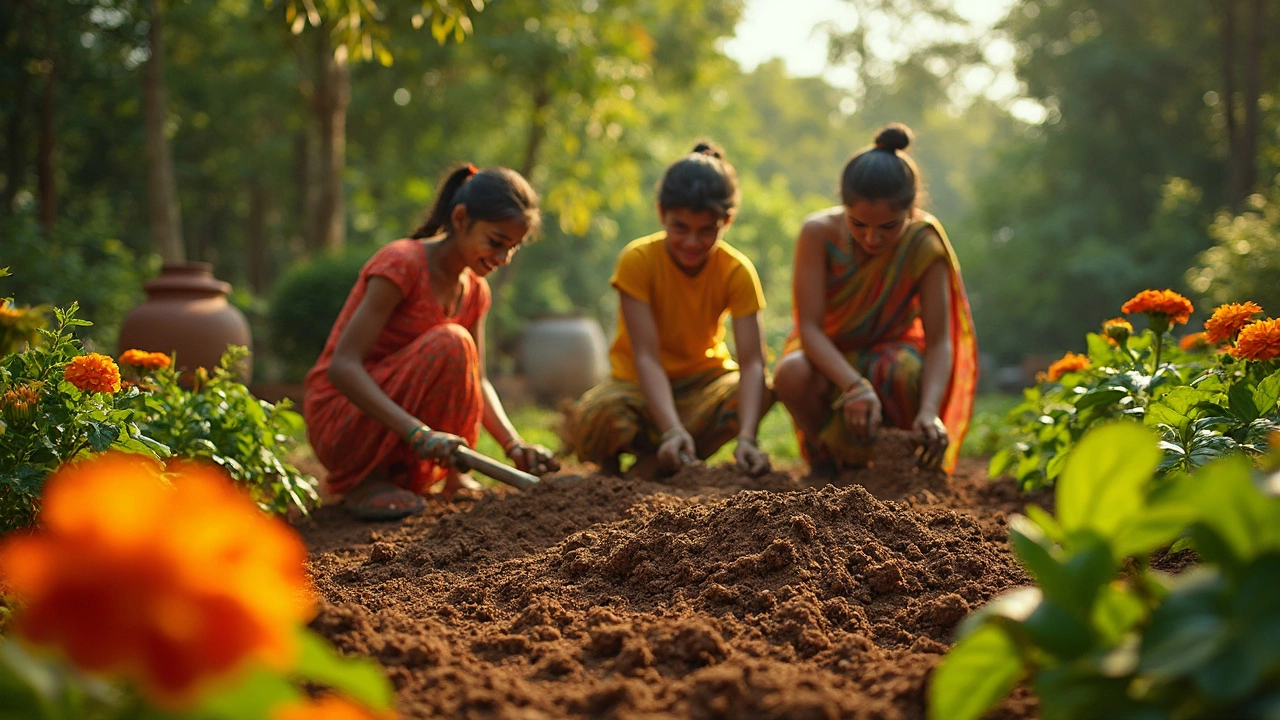
Compost isn’t just waste recycling; it’s soil repair. When you add it to compacted soil, it opens up air pockets so roots can breathe. It replaces lost nutrients that chemical fertilizers drain over time. And unlike store-bought fertilizers, compost feeds microbes that keep the soil alive year after year. You don’t need fancy tools. A bucket, some dry leaves, veggie peels, and a little patience are all it takes. Many Indian gardeners use compost to grow vegetables on balconies, fix ruined terrace slabs, and even revive struggling bonsai trees that were dying from poor soil. It’s the quiet hero behind those lush Vanda orchids and thriving terrace gardens you see in cities like Mumbai and Bangalore.
Related to compost are organic fertilizer, a broad category of natural soil enhancers made from plant or animal matter, which includes things like manure, bone meal, or seaweed extracts. But compost stands out because it’s made from what you already throw away. It’s also linked to soil improvement, the process of making garden dirt more fertile, well-draining, and biologically active. Without good soil, even the best plants fail. That’s why fixing compacted soil, growing veggies in pots, or keeping a self-sustaining garden all start with compost. And when you pair it with rainwater harvesting or mulching—both mentioned in our posts—you cut watering needs by half and grow more with less effort.
What you’ll find below aren’t just articles about compost. They’re real stories from people who’ve used it to turn failed gardens into food-producing spaces. You’ll see how compost fixes hard soil, how it fits into DIY self-sustaining gardens, and why it’s the missing link in homemade fertilizer recipes. Whether you’re growing durian on a rooftop or just trying to keep your balcony herbs alive, compost is the simplest, cheapest, and most powerful tool you’re not using yet.
Compost and organic compost aren't the same. Learn how to tell them apart, why it matters for your garden, and how to choose the right one for growing safe, healthy food.
Building good topsoil is a game changer for any garden, especially when store-bought bags just don't cut it. This guide helps you mix the right ingredients for rich, living soil at home—better for your plants and your wallet. With step-by-step tips, you'll avoid common mistakes and learn how to keep your soil productive year after year. We break it down so you get top-quality dirt without the mystery. It's all about simple science and smart choices.
Dense garden soil can choke roots and stall plant growth. This article breaks down proven, easy steps to loosen up tightly-packed soil. Get real advice on what to add and what actually works, from compost to surprising natural fixes. Learn how to spot common mistakes and keep your garden soil healthy for good. If you’re tired of water pooling up and plants sulking, you’ll find real solutions here.
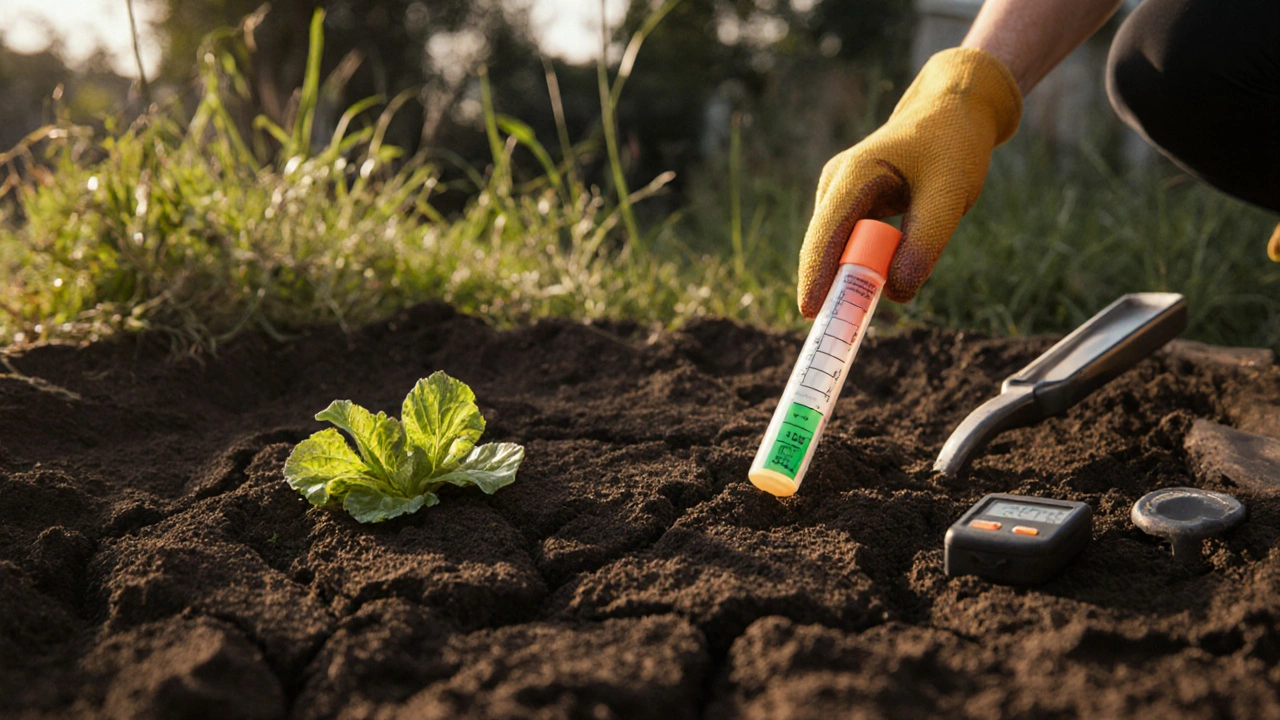
Improving soil for a vegetable garden is key to growing healthy plants. This article explores the best additions to enhance soil quality, including compost, organic matter, and natural fertilizers. Discover practical tips to boost your garden's productivity with efficient soil enhancements. Learn how to use these soil amendments for better vegetable growth in your backyard.