Dripper vs Emitter: Key Differences and How to Choose
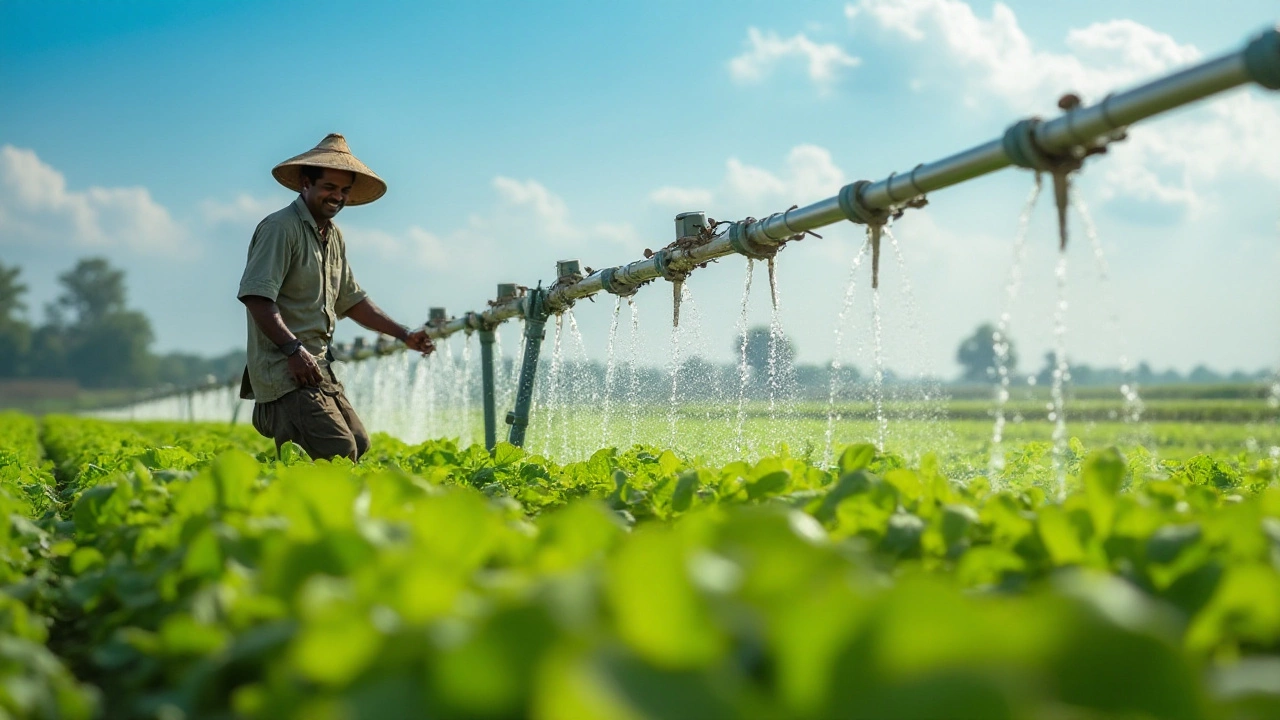
When you’re setting up a drip irrigation, a system that delivers water slowly and directly to plant roots. Also known as low-flow irrigation, it’s one of the most water-efficient ways to garden, especially in India’s hot, dry seasons. But here’s the thing—most people don’t realize that drippers and devices that release water at a fixed rate, usually through a small orifice. Often used interchangeably, but not the same. and emitters, a broader category that includes drippers, pressure-compensating outlets, and micro-sprayers. Also known as drip emitters, they’re the actual components that control water flow. are not the same. Mixing them up can lead to uneven watering, root rot, or wasted water. The dripper is a type of emitter, but not all emitters are drippers. That’s the first thing you need to know.
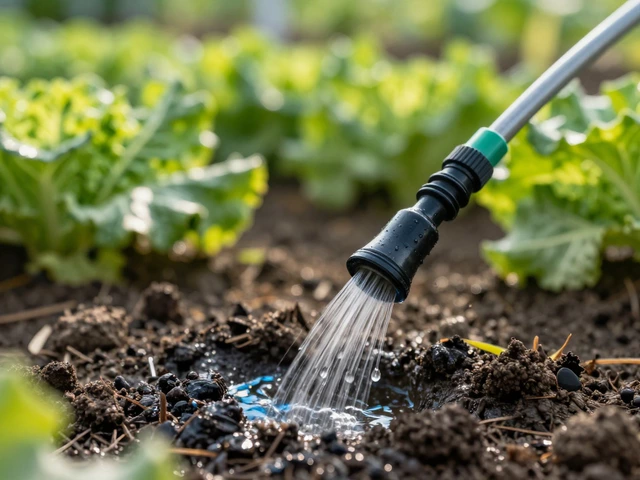
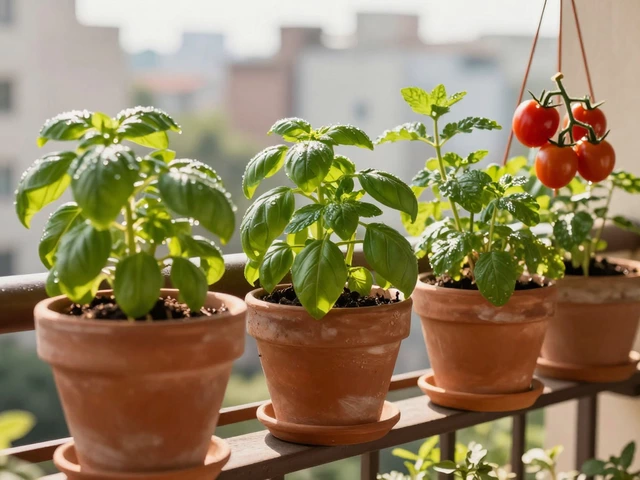
Think of it like this: all squares are rectangles, but not all rectangles are squares. A dripper is a simple, fixed-flow device—usually 0.5 to 2 gallons per hour—perfect for single plants like tomatoes or potted herbs. It’s cheap, easy to install, and works fine if your garden is flat and your water pressure is steady. But if you’re watering on a slope, or you’ve got plants at different distances from the main line, you need something smarter. That’s where pressure-compensating emitters come in. These adjust flow automatically so plants uphill get the same water as those downhill. They’re more expensive, but they prevent some plants from drowning while others stay thirsty. You’ll find both in the posts below—some folks swear by basic drippers for their veggie beds, others use high-end emitters for their terrace orchids.
And it’s not just about the device. Soil type, plant needs, and climate all change what works. In India, where monsoons hit hard and summers bake the ground, you can’t use the same setup year-round. A dripper might clog with silt after the rains. An emitter with a self-flushing design might last longer. Mulch helps too—reducing evaporation so your emitters don’t have to work overtime. The posts here cover real setups: how many emitters per zone, why one plant might need two drippers, and how to fix a system that’s dripping too fast in one spot and not at all in another. You’ll see what works in a Delhi balcony, a Pune terrace, or a small farm in Tamil Nadu. No theory. No fluff. Just what people tried, what failed, and what actually kept their plants alive.
Drip irrigation is a method used by farmers and gardeners to efficiently water plants with minimal waste. Understanding the difference between emitters and drippers is essential in optimizing your irrigation system’s performance. This article explores the functionality, application, and benefits of each, providing insights into choosing the right option for your garden. By delving into these elements, readers will be able to enhance their gardening practices and conserve water effectively.