Garden Planning: Smart Ways to Design Your Garden for Better Growth
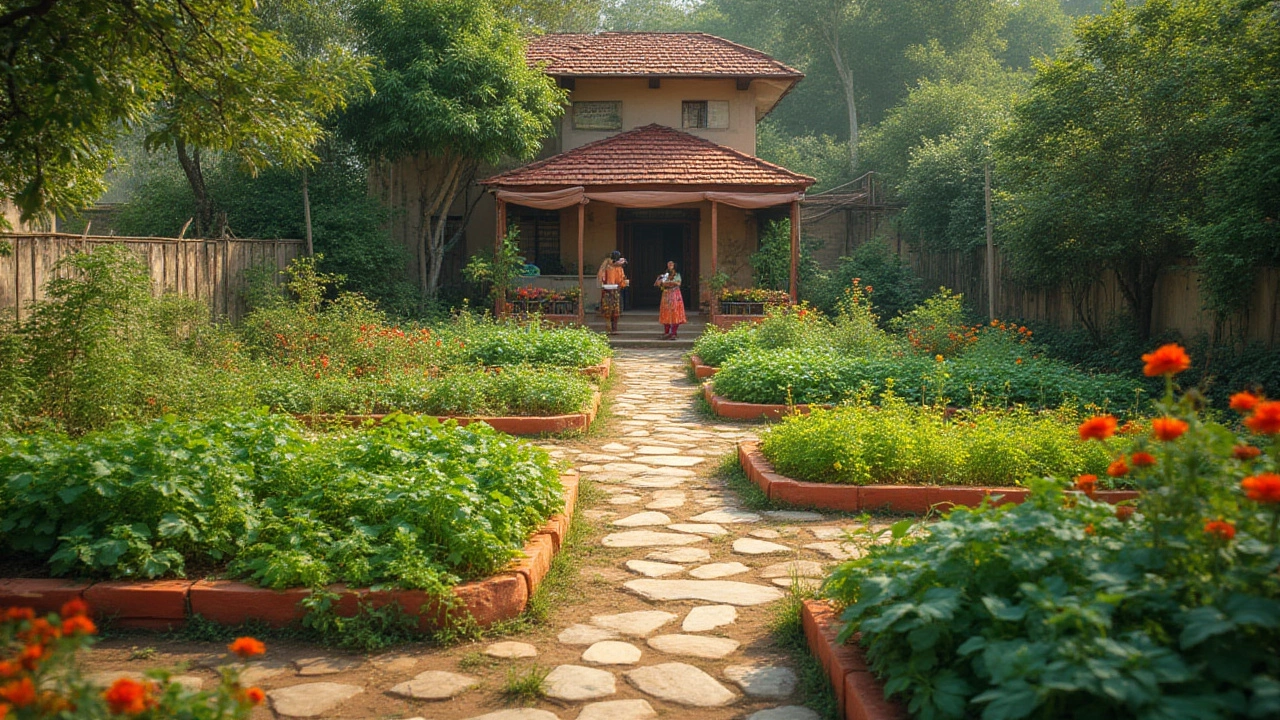
When you start garden planning, the process of designing a garden layout based on sunlight, soil, water access, and plant needs. Also known as landscape design, it’s not about making things look pretty—it’s about making plants thrive with less work. Most people skip this step and end up with weak plants, wasted water, or compacted soil that won’t let roots breathe. In India’s hot, uneven climates, garden planning isn’t optional—it’s the difference between a few struggling plants and a thriving, low-maintenance space.
Good garden planning connects directly to what happens underground and overhead. If your soil is hard and packed, no amount of watering will help—that’s why soil improvement, the process of adding organic matter, aerating, and balancing pH to make soil fertile and loose is often the first move. You can’t plan a garden on bad soil and expect results. Then there’s water. Running a drip irrigation, a system that delivers water slowly and directly to plant roots through tubes and emitters every day? That’s a common mistake. Smart planning means figuring out how much water your plants really need, when they need it, and how to capture rain or reuse greywater. Some gardeners even skip drip systems entirely and use soaker hoses, porous tubes that seep water slowly along their length or mulch to lock moisture in.
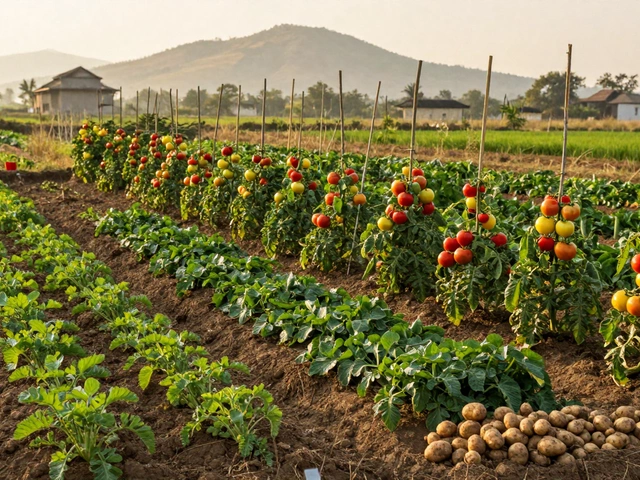
And space matters. If you’re working with a balcony or small terrace, your planning has to be vertical and container-smart. balcony gardening, growing plants in limited outdoor spaces like balconies, patios, or rooftops isn’t just about pots—it’s about choosing the right plants for sun angles, wind, and heat reflection. You can grow veggies, herbs, even flowering vines if you plan the layout right. And if you want to cut down on watering and feeding altogether? That’s where self-sustaining garden, a garden designed to recycle nutrients, conserve water, and support itself with compost and smart plant pairings comes in. It’s not magic—it’s planning that lets nature do the heavy lifting.
What you’ll find below isn’t a list of random tips. It’s a collection of real solutions from gardeners who’ve tried the hard way and figured out what works in Indian homes—whether it’s fixing compacted soil, choosing the best veggies for a 10x10 patio, or knowing exactly how many emitters your drip system needs. No fluff. No guesswork. Just what you need to plan a garden that grows, saves water, and lasts.
Getting the right orientation for your kitchen garden can change everything. Imagine a small plot bursting with freshness just because you placed it in the perfect spot. With tips on maximizing sunlight, considering space, and ideal plant placement, this guide helps make the most of your backyard. Get your hands dirty with these practical insights and see your kitchen garden thrive.