Indian Vegetable Gardening: Grow Native Crops, Fix Soil, and Beat Balcony Challenges
When you think of Indian vegetable gardening, the practice of growing edible plants in homes and small plots across India’s varied climates. Also known as home vegetable farming, it’s not just about planting seeds—it’s about working with India’s heat, monsoons, and space limits to get real food from tiny balconies or backyard corners. Most people start with tomatoes or spinach, but the real secret? Growing native vegetables India, crops like bitter gourd, drumstick, snake gourd, and amaranth that evolved here and need less water, fewer chemicals, and no fancy setup. These plants aren’t just traditional—they’re tougher, more nutritious, and way easier to keep alive than imported varieties.
Here’s the problem most gardeners don’t talk about: balcony gardening, growing food on small urban spaces like rooftops or balconies. It’s popular because you don’t need land, but it’s full of hidden traps. Wind dries out soil in days, pots get too hot, and heavy containers can crack balconies. You can’t just copy a YouTube video from the U.S. and expect it to work in Chennai or Delhi. That’s why so many give up after a month. The fix? Start with plants that love heat and don’t need deep soil. Skip broccoli and corn—they’re hopeless on balconies. Go for okra, chillies, and fenugreek instead. And don’t ignore your soil. compost, broken-down organic matter that feeds plants and fixes hard, lifeless dirt. Also known as organic soil amendment, it’s the cheapest, most powerful tool you own. Most store-bought potting mix is just dirt with a fancy label. Real compost? It holds water, invites worms, and cuts your watering by half. You don’t need a big yard to make it. A bucket, some kitchen scraps, and a little patience are enough.
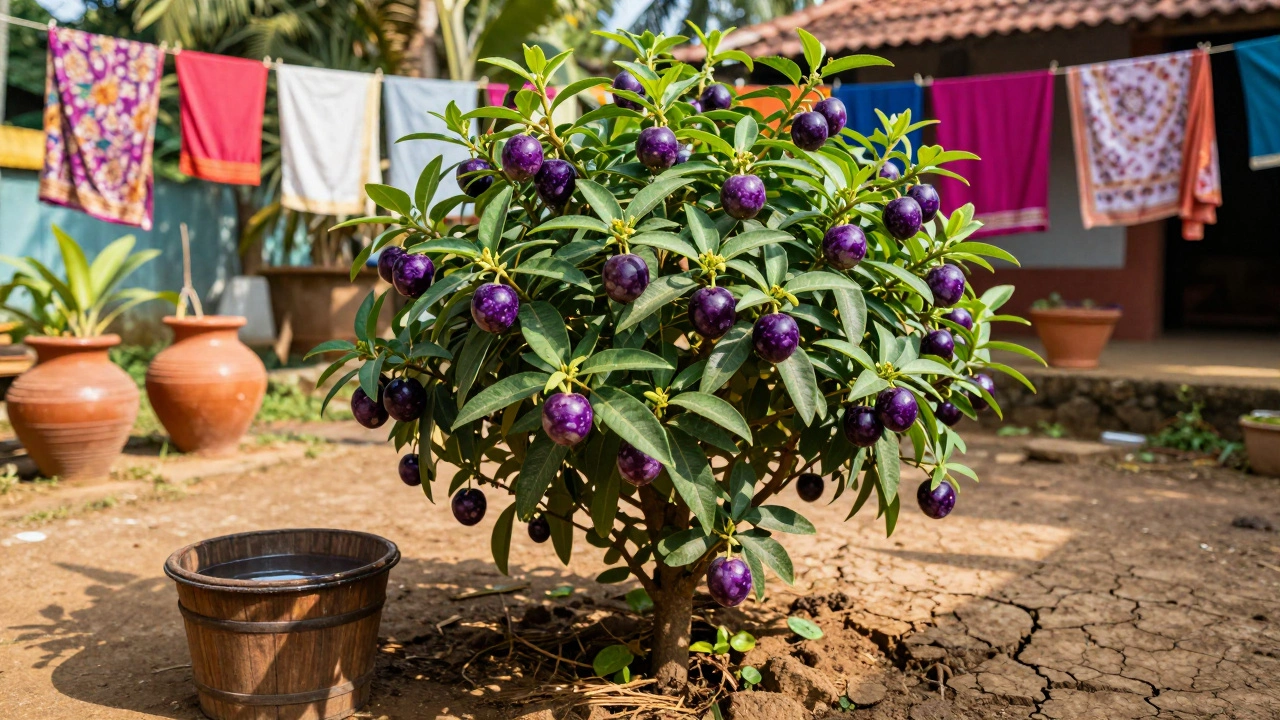
Water is another silent killer. You might think drip irrigation, a system that slowly delivers water directly to plant roots. Also known as low-flow watering, it’s the gold standard for saving water is perfect for Indian gardens. But it clogs, breaks, and freezes in winter. Many people run it every day—and kill their plants. The smarter move? Combine mulch (a layer of dried leaves or straw on top of soil) with rainwater harvesting. Rain barrels cost less than a good pot, and they cut your water bill to zero. You’ll also avoid the weird chemical taste that comes from tap water in cities.
Indian vegetable gardening isn’t about perfection. It’s about using what’s already here—your climate, your plants, your space—and working with it, not against it. You don’t need a PhD to grow food. You just need to know what grows well, what to avoid, and how to fix the basics without spending a fortune. Below, you’ll find real stories from people who turned their balconies into food sources, fixed their soil with nothing but kitchen waste, and stopped wasting water. No theory. No fluff. Just what works in India’s heat, rain, and tight spaces.
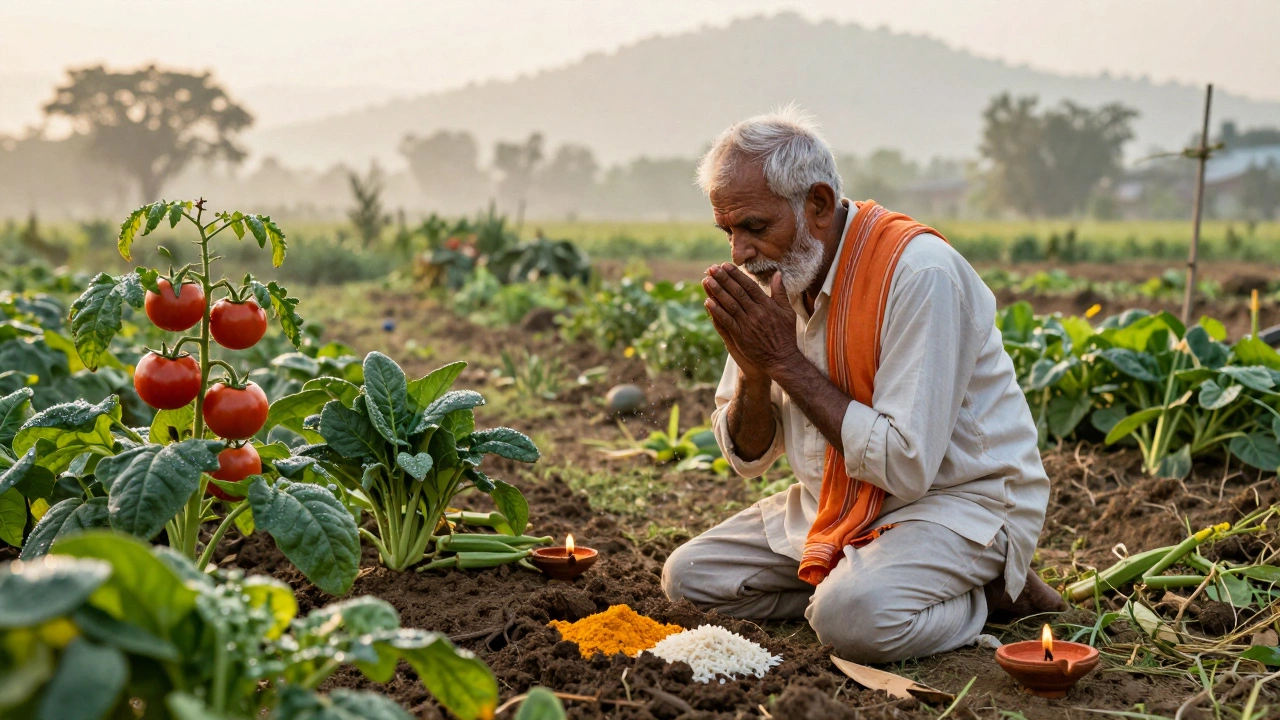
There's no single Hindu god of gardening, but the practice of growing vegetables in India is deeply tied to ancient rituals, earth goddesses, and sacred plants like Tulsi. Discover how spirituality and soil work together in Indian home gardens.
The queen of India plant is a small, hardy vegetable native to India, known for its resilience and rich flavor in traditional dishes. Easy to grow in pots or gardens, it's a forgotten gem of Indian kitchen gardening.