Landscape Problems: Fix Soil, Water, and Plant Issues in Indian Gardens
When your garden looks tired—leaves turning yellow, soil hard as brick, or plants dying despite daily watering—you’re dealing with landscape problems, common gardening failures caused by mismatched care, poor soil, or wrong watering habits. These aren’t just annoyances; they’re signs your garden’s basic needs aren’t being met. In India’s varied climate, from dry summers in Rajasthan to humid monsoons in Kerala, the same mistakes keep happening: overwatering bonsai trees, ignoring soil compaction, or relying on drip systems that don’t match real conditions.
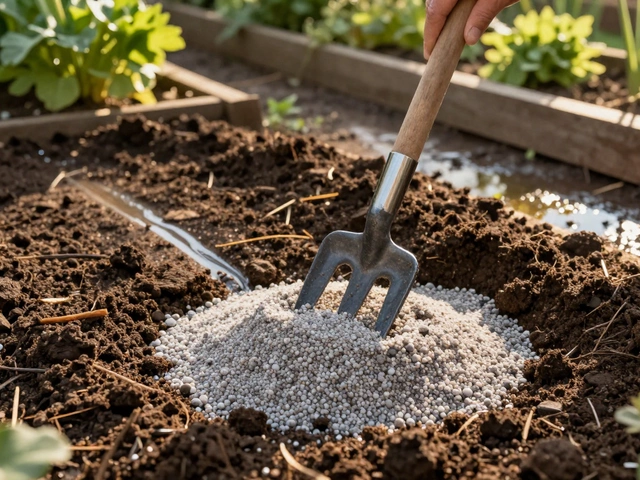
Compacted soil, a silent killer in urban and rural gardens alike is one of the biggest hidden issues. It blocks roots, traps water on top, and starves plants of oxygen. You can fix it without buying expensive tools—just add compost, loosen the earth, and mulch. Then there’s overwatering, the leading cause of plant death, especially in potted or balcony gardens. People think more water means healthier plants, but soggy soil leads to root rot. A bonsai with yellow leaves or a vegetable patch with moldy soil? That’s overwatering. And while many turn to chemical sprays for pests, natural insecticide, like neem oil, offers safe, effective control without poisoning bees or soil life. It’s not magic—it’s biology.
Even irrigation gets twisted. Drip systems are popular, but running them every day? That’s like giving your plant a shower twice a day—it drowns the roots. The real fix isn’t more water, it’s smarter delivery: soaker hoses, mulch to hold moisture, or rainwater harvesting. And if your terrace garden looks like a desert in May or a swamp in July, you’re not alone. Most Indian gardeners face the same landscape problems because no one taught them how soil, water, and climate work together.
Below, you’ll find real fixes for these exact issues—no fluff, no theory. Learn how to tell if your soil is dead, how to water like a pro without a timer, why neem oil beats every other natural spray, and how to revive soil that’s been beaten down by years of neglect. These aren’t tips from a book. They’re what works in Indian backyards, balconies, and small farms. Skip the guesswork. Start fixing what’s broken.
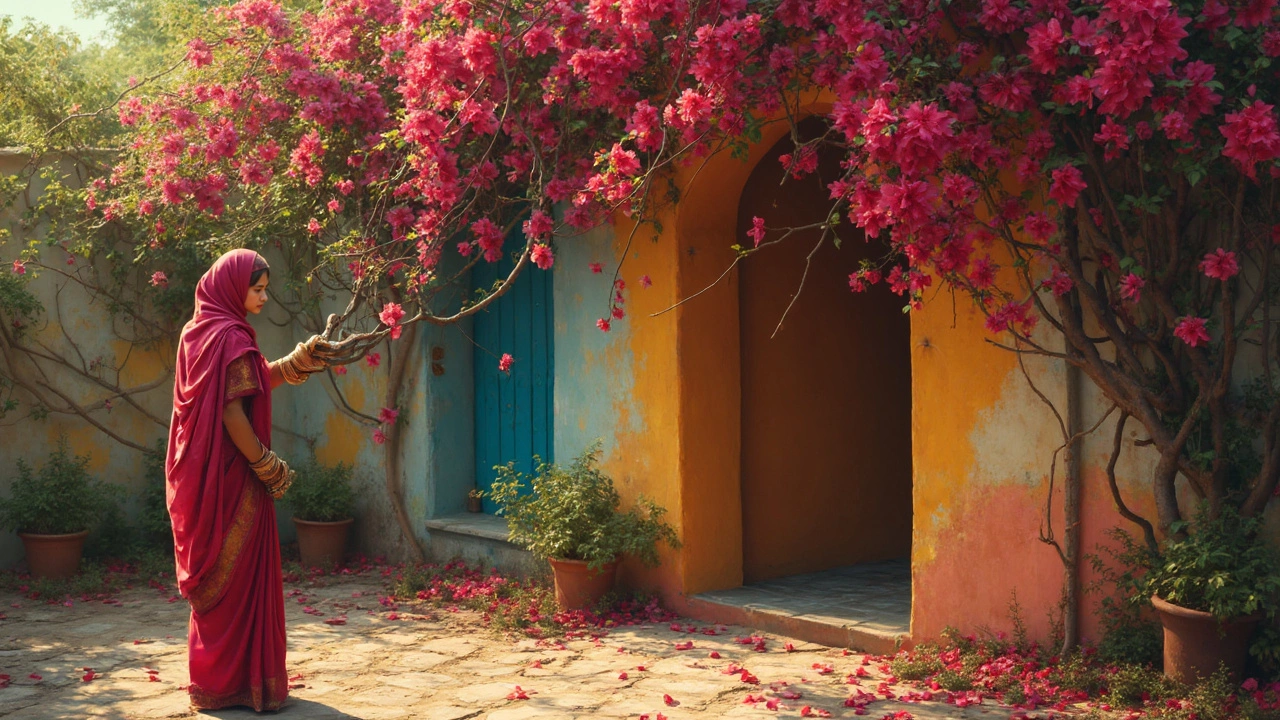
Bougainvillea might look stunning in Indian gardens, but it’s not always a perfect fit. This article shines a light on the real-life problems bougainvillea can cause, from messy growth to skin irritations. You’ll find out why handling this plant isn’t as easy as it seems, and what to consider before letting it take over your wall or fence. There are practical tips for keeping its wild side in check, plus ideas if you want the color without the chaos. Know what you’re getting into before planting bougainvillea in your space.