Discover the Most Needy Plant for Your Balcony Garden
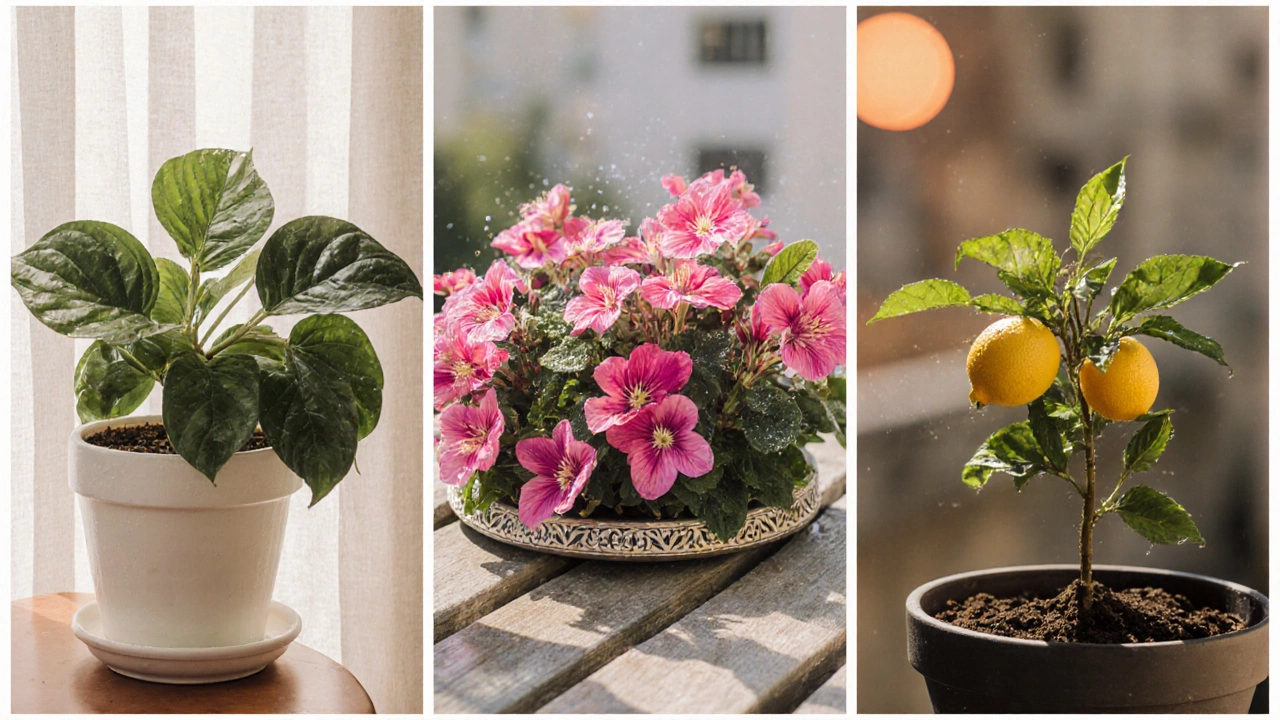
Find out which balcony plant needs the most care, why, and how to keep it thriving with watering, soil, light, and pest tips.
Continue reading...When we talk about the most needy plant, a plant that requires precise, consistent care to survive and thrive. Also known as high-maintenance plant, it doesn’t just want water—it needs the right amount at the right time, in the right soil, under the right light, with perfect airflow. These aren’t just picky plants. They’re finicky survivors that react to tiny changes with yellow leaves, root rot, or sudden death.
Think of the Vanda orchid, a tropical orchid that demands humidity levels above 70%, no direct sun, and daily misting. Most people treat it like a houseplant, and it dies within weeks. Or the bonsai tree, a miniature tree that can’t handle overwatering, poor drainage, or inconsistent temperatures. One wrong move—watering every day—and you’re looking at mushy roots and dying branches. These aren’t outliers. They’re examples of plants that turn simple gardening into a full-time job.
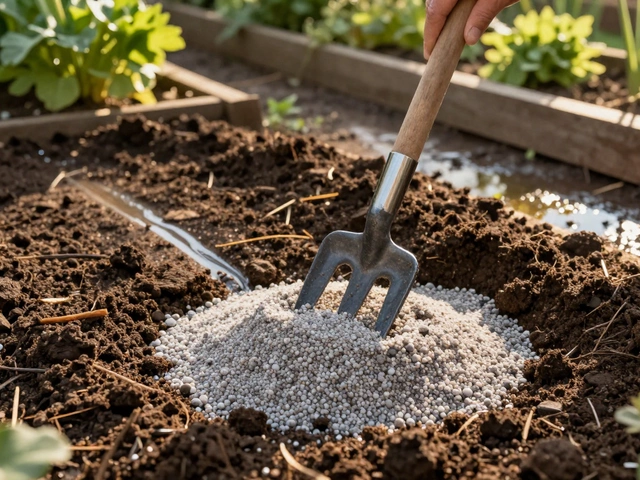
The most needy plant isn’t just about water. It’s about timing, soil, air, and attention. A plant that needs perfect drainage might drown in regular potting mix. One that thrives in morning sun will burn under afternoon heat. Even the neem oil, a natural insecticide used to protect sensitive plants from pests without chemical damage, becomes part of the routine because these plants are too fragile for harsh treatments. And if your soil is compacted? Forget it. The roots can’t breathe. That’s why fixing compacted soil, hard, dense earth that blocks water and air from reaching roots, is often the first step to saving a struggling plant.
These plants don’t grow in the wild because they’re too demanding. They survive in controlled environments—greenhouses, terraces with misters, or under grow lights. In India’s hot, dry, or monsoon-heavy climates, keeping them alive means fighting nature every day. You can’t set it and forget it. You have to check soil moisture daily, adjust for humidity, watch for pests before they spread, and never assume your plant is fine because it looks green.
That’s why the posts here aren’t about quick fixes. They’re about understanding the real reasons these plants fail—and how to fix them before it’s too late. You’ll find guides on drip irrigation schedules that actually work, how to tell if you’re overwatering, what soil amendments make a difference, and why some plants need more than just sunlight to survive. This isn’t gardening for beginners. It’s for people who care enough to learn the details, and who refuse to give up when their plants start to struggle.
Find out which balcony plant needs the most care, why, and how to keep it thriving with watering, soil, light, and pest tips.
Continue reading...