Mulching: What It Is, Why It Works, and How to Do It Right
When you spread a layer of material over your soil, you’re doing mulching, a simple gardening practice that protects soil, conserves water, and suppresses weeds. Also known as soil covering, it’s one of the most powerful, low-cost tools in sustainable gardening. Most people think mulch is just for looks—something you put down to make your garden look neat. But real gardeners know it’s the secret behind healthier plants, less watering, and fewer weeds. In India’s hot, dry climates, where water is scarce and soil often turns hard, mulching isn’t optional—it’s essential.
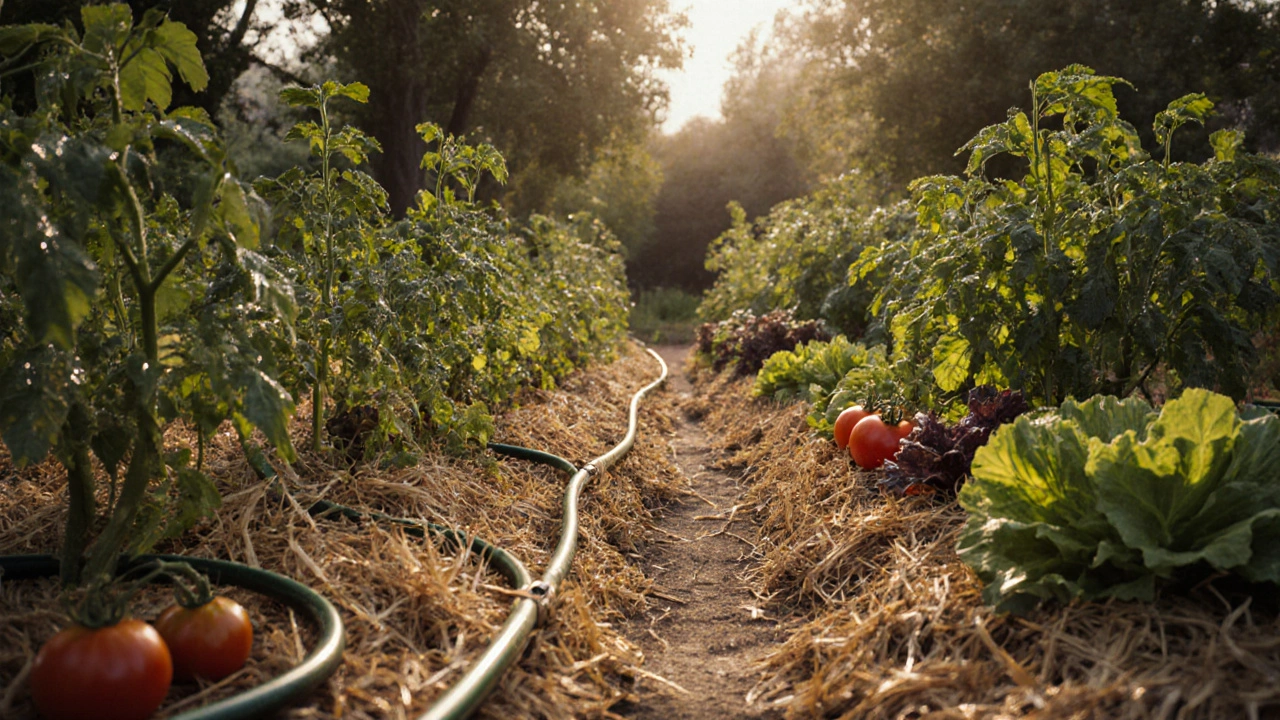
Mulching works because it creates a shield between your soil and the sun. Without it, the top layer of soil bakes, cracks, and loses moisture fast. With it, water stays where it belongs—around your plant roots. It also keeps the soil cool during summer heatwaves and warmer during chilly nights. And here’s the kicker: as organic mulch breaks down, it feeds the soil with nutrients. That means less fertilizer, fewer chemicals, and better root growth. You’re not just covering the ground—you’re rebuilding it.
Not all mulch is the same. organic mulch, like dry leaves, straw, or composted bark slowly turns into food for your soil. inorganic mulch, like gravel or landscape fabric lasts longer but doesn’t improve soil. In Indian home gardens, organic options work best—they match the natural cycles of your plants. Avoid plastic sheets unless you’re growing crops in a controlled setup. They trap heat, kill soil life, and look unnatural.
People often mulch too thin, too thick, or too close to stems. Too thin? It won’t block weeds or hold moisture. Too thick? It can suffocate roots and invite pests. And never pile mulch against plant trunks—it invites rot. The sweet spot? Two to four inches deep, pulled back an inch or two from stems. Do this right, and you’ll cut watering by half, fight weeds without herbicides, and see stronger plants all season.
Here’s what you’ll find in the posts below: real-world fixes for common mulching mistakes, how to choose the right material for your plants, and how to pair mulch with drip irrigation or compost to get the most out of your garden. You’ll see how Indian gardeners use local materials—like rice husk, coconut coir, and dried cow dung—to make mulching affordable and effective. No fluff. No theory. Just what works.
Drip irrigation saves water, but better options exist. Soaker hoses, mulching, rainwater harvesting, and subsurface irrigation cut usage even more - with less cost and maintenance.